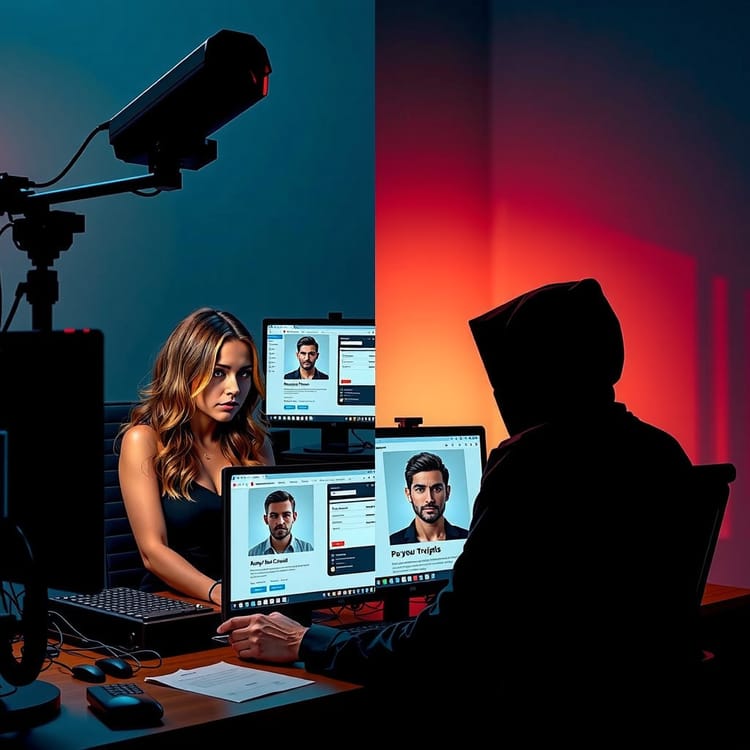
The Hero Firefighter Arsonist: Why That 'Helpful' Fan Who Warned You About Your Leaked Content Is Probably the One Who Uploaded It (With Your Real Name)
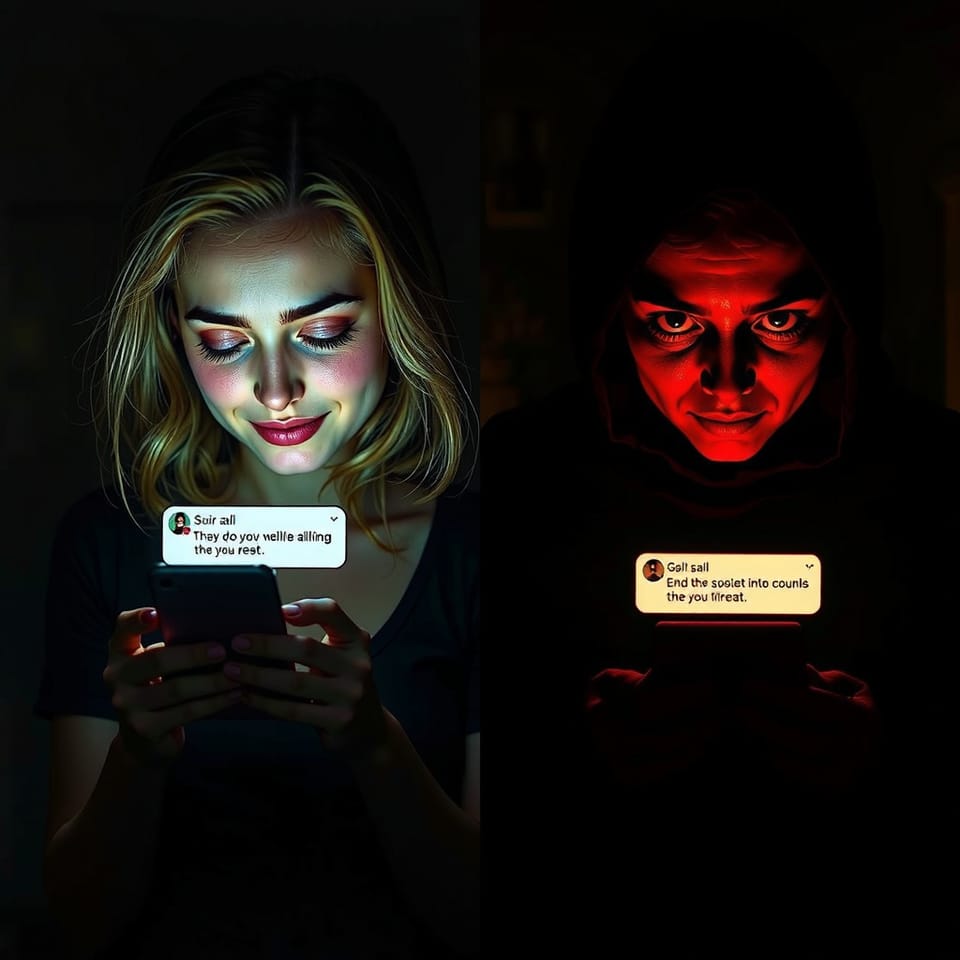
Someone posted this in r/CamGirlProblems recently and you could practically feel the collective panic through the screen:
A fan DMed me tonight with a tube link. It's a compilation of my PPV videos from the last few months. That part I was almost expecting at some point. What I was NOT expecting is that whoever uploaded it used my real first name in the title. Not my stage name. My actual first name. I'm panicking.
The top comment came fast-99 upvotes and brutal honesty:
It is likely the fan that sent you the link and he is likely someone who knows you irl.
There's a term for this exact situation. The cam model community calls it the firefighter arsonist-that guy who sets your house on fire, then shows up with a bucket of water playing hero.
We're not talking about your typical content leak here. This is way more personal-a paying subscriber you've built trust with actively weaponizing your real name against you.
Wait, How Did He Even Find It?
The experienced models in the thread immediately clocked what didn't add up:
How could he just accidentally stumble upon it if he wasn't searching her real name? He has to know her real name to find that, so it all points to him.
Think about the logic for a second. Tube sites have literally millions of videos. Finding your specific content means searching for one of two things:
- Your stage name (totally normal fan behavior)
- Your real name (straight-up stalker behavior)
If the upload title has your real name but not your stage name, anyone searching your stage name is going to come up empty. The only way he found that video? He was already actively searching for your real name.
Which means he already knew it. Which means this wasn't some random helpful fan doing you a favor. He's someone who's been quietly collecting information on you this whole time.
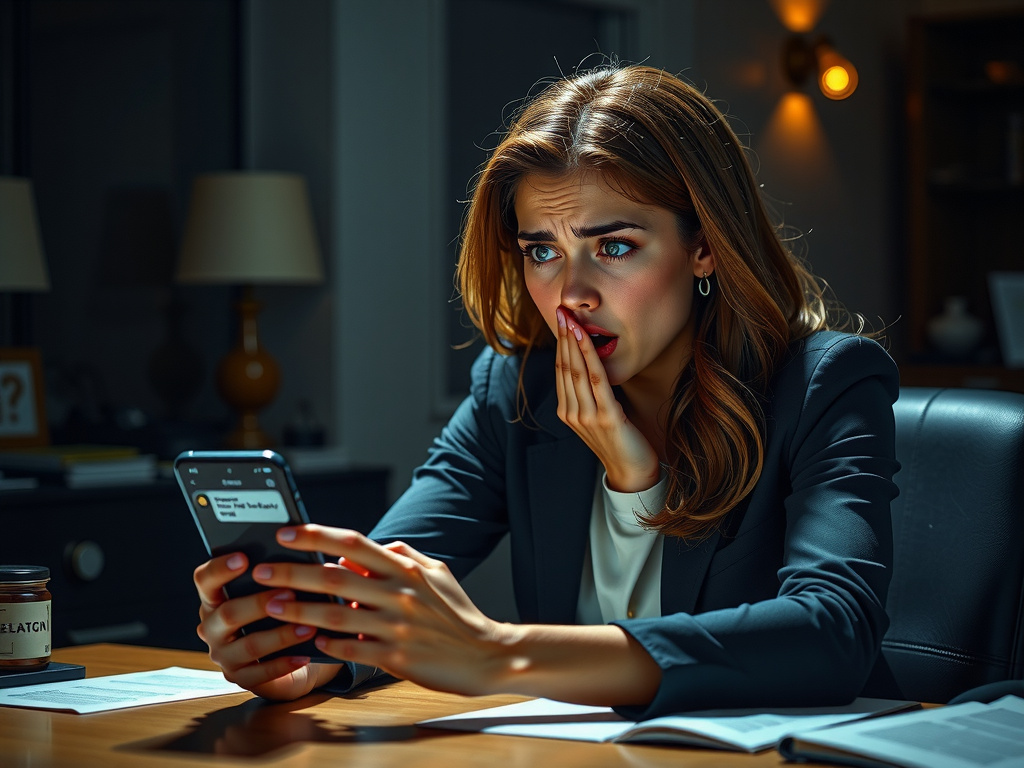
The Firefighter Arsonist Pattern: Setting Fires Just to Play Hero
One veteran model nailed it with this comparison:
Like a fireman that commits arson so he can show up and be the hero.
This is actually a well-documented stalker tactic, and it follows a pretty predictable playbook:
Step 1: Get your real name
Payment processors, wishlist addresses, domain registrations, old email accounts, verification docs, forgotten social media profiles-there are honestly way too many ways your real name can leak, even when you're being super careful.
Step 2: Download and weaponize
He grabs your content and uploads it using your real name in the title. This is the setup-creating the exact crisis he's about to "rescue" you from.
Step 3: Swoops in as your protector
Now you're freaking out. Vulnerable. Scared. And look who magically appears-the one person who "warned" you, the only one who "cares" enough to protect you.
Step 4: Building emotional dependency
You thank him profusely. Feel genuinely grateful. Maybe give him some special attention or access because he "helped" you. This just feeds his savior complex while tightening his psychological grip.
Step 5: Things escalate
Now he's got leverage over you. Don't respond to his messages quickly enough? Set a boundary he doesn't like? He can threaten more uploads. Or actually go through with it and then "warn" you all over again.
Where Your Real Name Actually Leaks (Spoiler: Your Biggest Spenders Have the Most Access)
The community quickly identified the usual suspects when it comes to real name exposure:
- Payment processors: Venmo, CashApp, PayPal-all these apps show your real name by default unless you go in and change it. Send that $5 tip through CashApp? Boom, he's got your actual name.
- Wishlist addresses: Amazon wishlists, gift services-if you're not using a PO Box or mail forwarding, he's getting your full name and home address when he buys you something.
- Domain registration: Got a personal website? If you didn't spring for privacy protection, your WHOIS info is sitting out there publicly with your legal name on it.
- Email addresses: Still using firstname.lastname@gmail.com for work stuff? Yeah, that's a problem.
- Platform verification: Some platforms straight-up display 2257 compliance info publicly. Some studios have leaky verification processes.
- Old social media: That Facebook, Instagram, or Twitter account from before you started this work that casually mentions both your real identity and your content-yeah, people find those.
- Photo metadata: Images with EXIF data still attached can reveal your name, location, even what device you used.
See the pattern here? Nearly all of these leak points are most accessible to paying subscribers. The people tipping you, buying from your wishlist, subscribing to your premium content-they're the ones getting the closest access to your real identity.
Free lurkers don't know who you really are. Your regulars might.
What to Do Right Now If This Happens to You
Okay, so a subscriber just sent you a leak link with your real name attached. Here's your game plan:
1. Don't thank him. Don't engage at all.
I know every instinct is screaming at you to be grateful and polite. Ignore those instincts. Any engagement just reinforces his hero complex and encourages him to keep escalating.
2. Screenshot everything and build a timeline
Save the message. Screenshot the link. Note the timestamps. If this spirals into something bigger, you're going to need a paper trail.
3. Block him immediately
Even if he's one of your top earners. Especially if he's one of your top earners. As one model put it: "I started to get sick with anxiety when a trusted big spender started boundary pushing. Blocking him eliminated the anxiety instantly."
4. Use automated takedown services, not manual DMCA
BranditScan kept coming up in the community thread (starts at $35/month). Why automated instead of doing it yourself?
- Filing DMCA yourself actually exposes MORE of your personal info to piracy sites
- Manual takedowns are exhausting-"you take one down and it pops up on 3 other sites next week"
- Automated services handle Google delisting, which is way MORE important than tube site removal
5. Focus on Google delisting, not removing the video from the tube site
This feels backwards but it's crucial: most people finding leaked content with your real name are doing it through Google search, not randomly browsing tube sites. Getting your real name scrubbed from Google results matters way more than getting the actual video taken down.
6. If it's OnlyFans content, report it directly to OnlyFans first
OnlyFans moves fast on leaked content when you report it. Usually faster than going through the tube site directly.
7. Set up Google Alerts for your real name plus piracy keywords
Try searches like "Your Legal Name + leaked," "Your Legal Name + OnlyFans," "Your Legal Name + cam," etc. Google Alerts will ping you the second new uploads appear.
Speed actually matters here. Most viral spread happens in the first 24-48 hours. The faster you hit it with takedowns, the less it spreads.
How to Protect Your Real Name Before This Happens
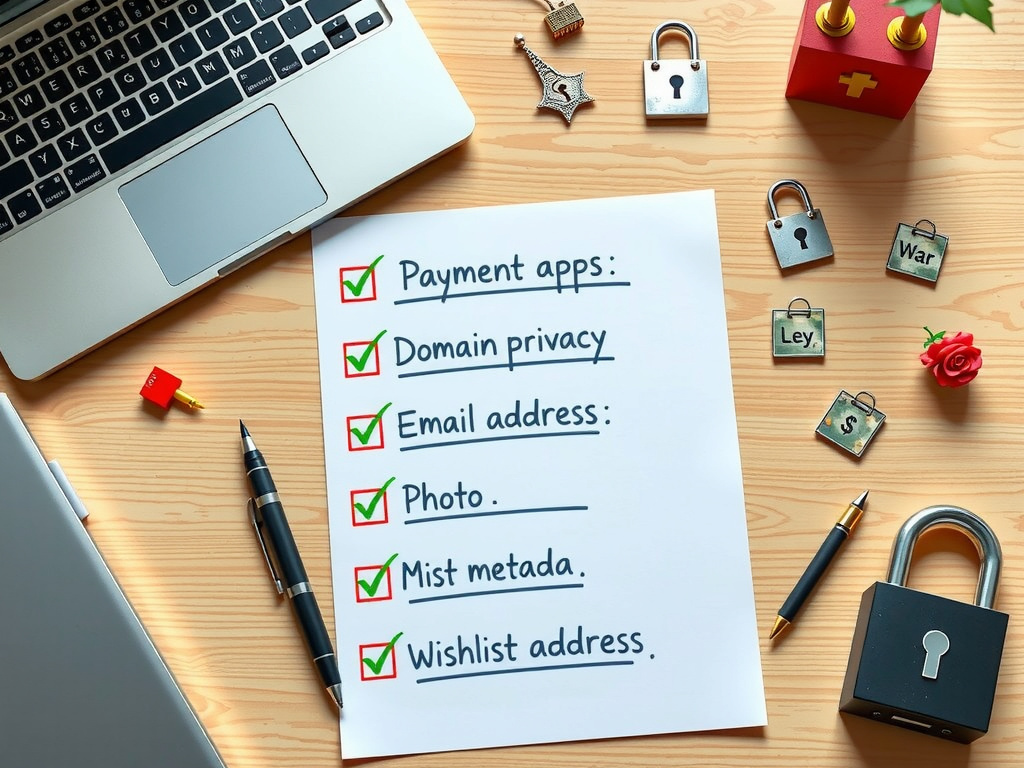
Time for an audit. Go through these vulnerabilities right now:
Payment apps: Switch your display name on Venmo, CashApp, PayPal to your stage name. Even better? Create completely separate accounts for work using your stage name only.
Wishlists: Get a PO Box or use a mail forwarding service. Never, ever ship stuff directly to your actual home.
Domain registration: Cough up the cash for WHOIS privacy protection. It hides your real name from public lookup.
Email addresses: Use yourstagename@gmail.com, not firstname.lastname@gmail.com. Seems obvious but you'd be surprised.
Platform verification: When possible, try using your stage name on verification documents. Some platforms actually allow this.
Photo metadata: Strip EXIF data from every single image before uploading. Tools like ImageOptim or ExifTool make this easy.
Social media: Don't ever link your real identity social media to your work accounts. Not in DMs, not anywhere.
The Psychological Side: Why This Hits Different Than Regular Leaks
Models who've been through this describe the emotional impact as uniquely brutal. One mentioned she was "panicking" in a way that regular content leaks never triggered.
The difference is the betrayal combined with the vulnerability. Content leaks? Expected. The whole community basically agrees it's "not if, but when." You can mentally prep for that reality.
But having your real name weaponized by someone you actively trusted? That's a whole different animal. That's personal in a way that crosses from "occupational hazard" straight into "someone I gave access to is actively trying to hurt me."
The community's take on this was pretty united: trust your gut about subscribers who push boundaries, even if they're dropping serious cash. The mental drain just isn't worth whatever they're paying.
One model shared that blocking a big spender who was making her anxious "eliminated the anxiety instantly." Your mental health has actual monetary value. Sometimes the smartest financial move is cutting off income that's costing you more in stress than it's bringing in.
The Hard Truth: Content Leaks Are Inevitable. Real Name Leaks Don't Have to Be.
One veteran model laid it out pretty bluntly: "There are hundreds if not thousands of bots as well as real life losers dedicated to scraping streams."
If you stream live, your content will get recorded and uploaded somewhere. Sell PPV content? Someone will leak it. That's just reality.
But here's the thing-content leaked under your stage name? Totally manageable. Content leaked under your real name? That's a legitimate safety crisis.
The difference:
- Content leaks under your stage name stay disconnected from your civilian life
- Content leaks under your real name expose you to family, employers, landlords, future partners-everyone
That's why protecting your real name matters infinitely more than protecting your content. You cannot prevent content leaks entirely. You can make it extremely difficult for those leaks to be traced back to your real identity.
What If You've Already Been Doxxed With Your Real Name?
The community's advice here: shift your energy from trying to scrub everything to focusing on damage control and burying.
If your real name is already out there, "assume everything's out there" and concentrate on:
- Google delisting to bury the results way down in search rankings
- Monitoring for new uploads with automated services so you catch them fast
- Creating positive, professional content under your real name to push the leaked stuff further down in search results
- Documenting absolutely everything in case this eventually escalates to needing legal action or law enforcement
You can't unring a bell, but you can definitely make it harder for people to hear it.
The Bottom Line: Your Helpful Fan Is Your Stalker Until Proven Otherwise
When someone sends you a link to leaked content with your real name in the title, the statistical likelihood is overwhelmingly high that they uploaded it themselves.
They didn't "stumble upon it." They created it.
Don't thank them. Don't engage. Block immediately, document everything, and hit it hard with automated takedown services that prioritize Google delisting.
And seriously audit every single place your real name might be exposed to paying subscribers. Because the person most likely to weaponize your real name isn't some random stranger on the internet.
It's the fan you trusted. Want to learn more about recognizing toxic subscribers? Check out our guide on white knight syndrome and when to block your biggest spenders. And for more on protecting yourself from doxxing, read our article on how stalkers find your address and the digital forensics defense guide.