The DMCA Takedown Trap: Why Filing Copyright Claims Yourself Is Doxxing Yourself (And What Models Actually Use Instead)
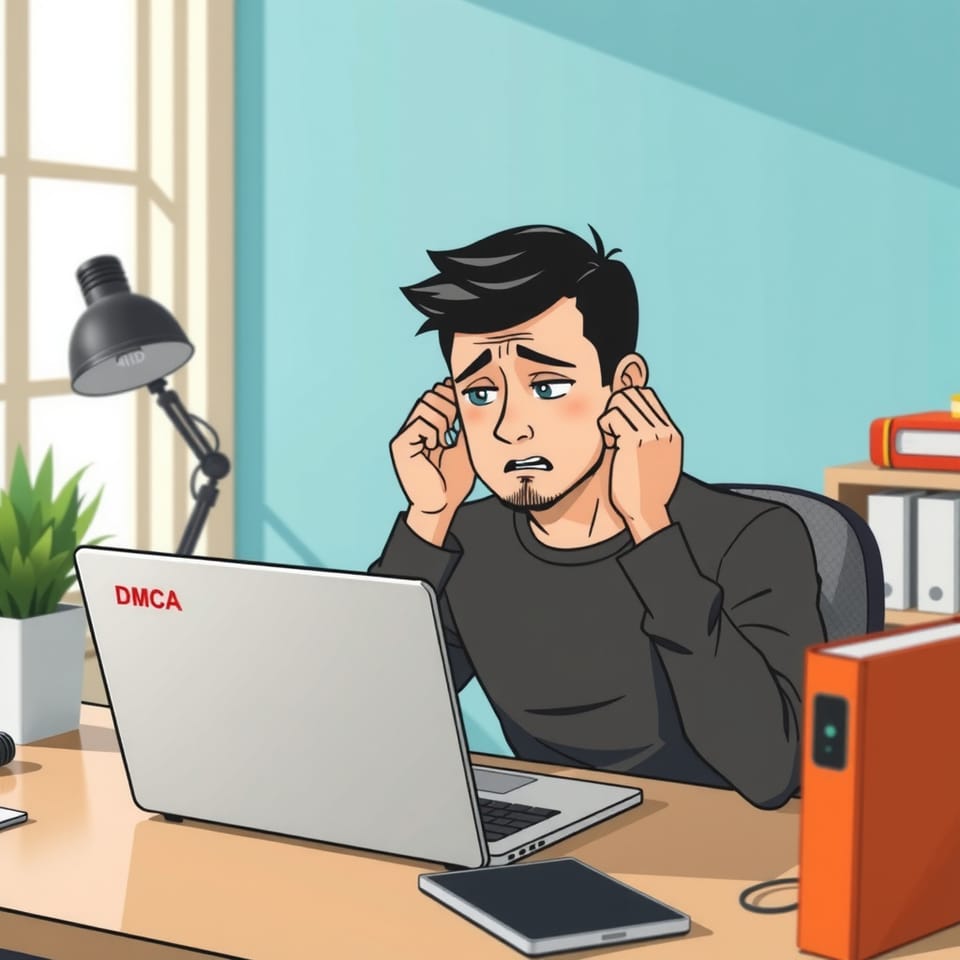
There was this post in r/CamGirlProblems last week that really stuck with me. You could feel the panic through the screen:
I've been on OF for about 14 months. Things were going okay until around month 6, when fans started DMing me screenshots of my content on leak sites. At first, it was one site. Then three. Now every single week at least one new fan messages me... I went to the first site. The DMCA form wanted my full legal name.
And that's where she stopped. Thank god.
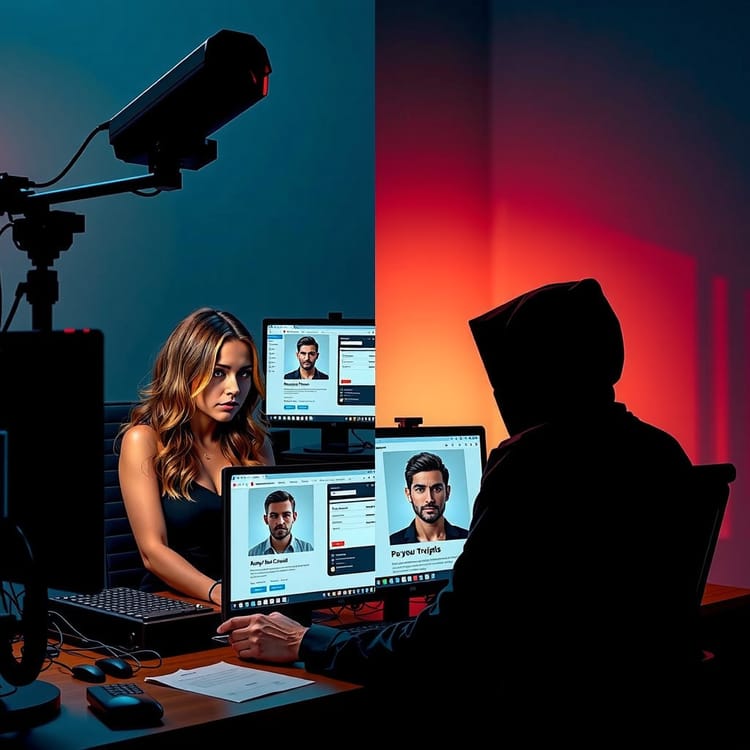
But here's the thing-thousands of models don't stop there. They fill out those DMCA forms with everything: real legal names, home addresses, phone numbers. They send all that info directly to leak sites run by actual criminals. And most don't realize until way too late that these forms can end up as public record. Searchable. Permanent. Available to literally anyone who wants to find you.
You're not protecting your content. You're doxxing yourself to protect your content.
Why DIY DMCA Takedowns Are a Privacy Nightmare
On paper, the DMCA (Digital Millennium Copyright Act) sounds great. It's supposed to protect copyright holders-give us a weapon against content theft. But in reality? For adult content creators, it's more like handing yourself a loaded gun and hoping you don't shoot yourself in the foot.
Let me walk you through what actually happens when you file a DMCA takedown yourself:
- You fill out a form with your real legal name - not your stage name, the actual name on your ID
- You provide your actual physical address - the place where you actually sleep at night
- You send all this info to a site run by criminals - people who are literally making money by stealing your content
- All of this can become public record - Google-searchable, accessible to stalkers, nosy family members, anyone
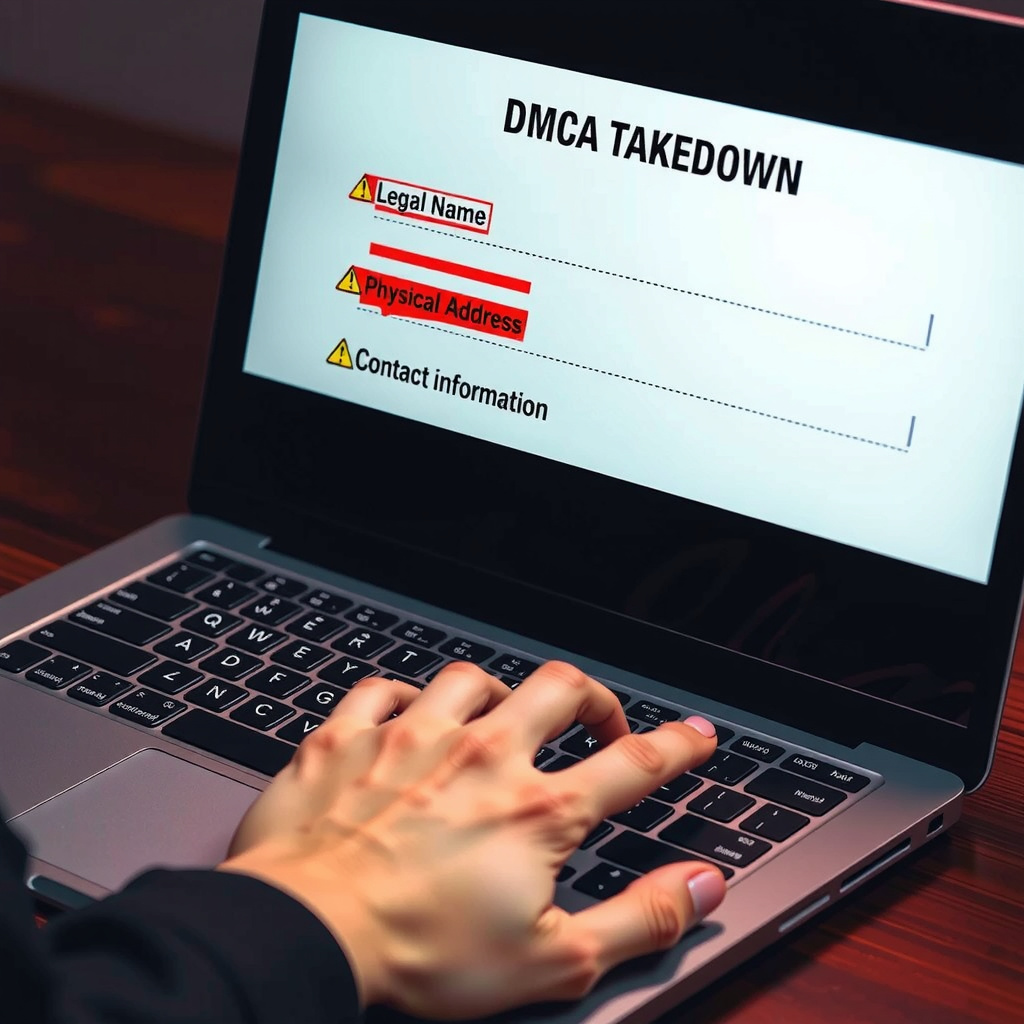
Let that sink in for a second. The same people hosting your stolen content now have your real name and where you live. And depending on how things play out with the DMCA process, that info might end up in public databases that anyone with an internet connection can search.
One model put it perfectly: 'I'm completely lost with DMCA takedowns and I think I'm losing my mind.'
The Whack-A-Mole Problem: Why Self-Filing Doesn't Scale
But let's say you don't care about the privacy thing (please care about the privacy thing). Even if you were totally okay sacrificing your personal safety, DIY DMCA takedowns still don't work when you're dealing with dozens of sites.
Models keep reporting the exact same progression:
- First 6 months: Your content shows up on one leak site
- Months 6-12: Now it's on three different sites
- After a year: Every week, fans are messaging you screenshots of new leak sites
Here's what makes it so brutal: by the time you've filed a claim and actually gotten one site to take down your content (which can drag on for weeks), your stuff has already been scraped and copied to five more sites. These leak sites steal from each other. Your content spreads like wildfire.
Meanwhile, you're filling out form after form, handing over your personal info again and again, and your subscribers keep messaging: 'Hey, just FYI, I found your stuff on...'
The emotional toll? Absolutely brutal. Models describe feeling violated twice-once when their content gets stolen, and then over and over with every well-meaning DM reminding them it's still out there.
What Models Actually Use: DMCA Services That Don't Expose Your Identity
Talk to any experienced model, and they'll all tell you the same thing: NEVER, under any circumstances, file DMCA takedowns yourself with your real information.
So what do successful models actually do? They use DMCA takedown services that:
- Scan the internet automatically using facial recognition to hunt down your content across leak sites
- File takedowns on your behalf without broadcasting your personal info to criminals
- Let you submit links manually when fans send you screenshots of new leak sites
- Handle the entire process for you so you're not spending hours every week playing whack-a-mole with your own content
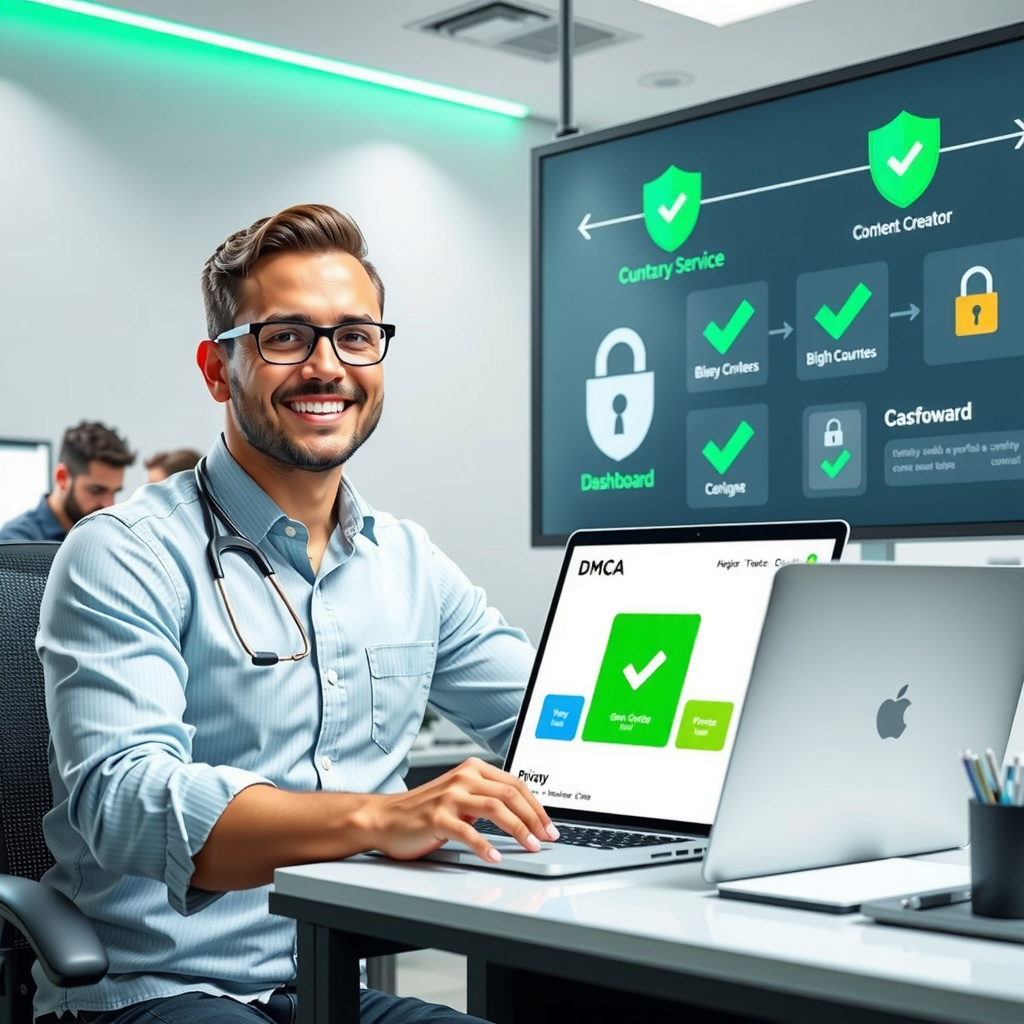
Services like Branditscan come up constantly in model communities. They use facial recognition tech to scan for your content all over the internet, then handle the takedowns without putting your real identity at risk.
Yeah, these services cost money. But think about it-you're already budgeting for lighting, cameras, toys, platform fees. Content protection is just another business expense. Except this one protects both your income AND your physical safety.
Watch Out for DMCA Protection Rackets
Here's where things get even sketchier. Not all DMCA services are legit. Some are straight-up scams.
Models in r/CamGirlProblems recently called out a company called Rulta. The scam works like this:
- They steal your content WITHOUT permission
- They post it on their own leak sites
- Then they reach out offering to 'protect' your content and remove it-for a fee, of course
Classic protection racket. They create the problem, then sell you the solution.
When you're checking out DMCA services, here's what to look for:
- Look for reviews from other models in trusted communities like r/CamGirlProblems
- Red flag if they contact you first-legit services don't need to cold-call
- Check how long they've been around and whether they have an actual track record
- Ask specifically about privacy protections-are they filing using their company info or yours?
The Reality Check: Some Leaks Are Inevitable
Okay, time for some hard truth: you can't eliminate content theft completely. I wish I could tell you otherwise, but I can't.
Once something's on the internet, it can be copied. Someone with basic screen recording software can grab your streams. Screenshots exist. There will always be people who find ways to steal content.
The goal isn't perfection. It's damage control.
A good DMCA service reduces how far your content spreads. They make it harder for random people to stumble across your stuff. They keep you off the first page of Google results. But making it disappear completely? That's just not realistic.
And honestly? That's okay. Because the alternative-doxxing yourself while chasing an impossible goal-is way, way worse.
Your Action Plan: Protect Your Content Without Doxxing Yourself
If you're dealing with content theft right now, here's your game plan:
Step 1: Stop Filing DIY DMCA Claims
If you've already filed claims with your real info, what's done is done. But stop right now. Don't file another single DMCA form with your real name, address, or any personal contact info.
Step 2: Research DMCA Services
Head over to r/CamGirlProblems or other trusted model communities. Search for 'DMCA' and see what people actually recommend. You want services with:
- Automated scanning using facial recognition
- Solid privacy protection in their takedown filings
- Options to manually submit links you discover
- Real reviews from other adult content creators
Step 3: Budget for Protection as a Business Expense
DMCA services aren't cheap. Not gonna lie about that. But they're worth every penny. Think of it like insurance-you hope you'll never really need it, but when stuff hits the fan, you're grateful it's there.
Can't afford a service right now? At minimum, stop filing DIY claims. Better to have leaked content than to have leaked content PLUS your home address floating around the internet.
Step 4: Accept That Perfect Protection Doesn't Exist
Some of your content is going to leak. That's just the reality of making digital content. Your job isn't to stop every single leak-it's to minimize the damage.
Focus your energy on what you can actually control: creating fresh content, building real relationships with paying subscribers, and protecting your privacy while you manage the inevitable leaks.
The Bottom Line: Your Safety Matters More Than Your Content
Content theft sucks. It's violating, frustrating, and it hits your wallet. But doxxing yourself trying to stop it? That's infinitely worse.
You can bounce back from leaked videos. You can make new content. You can rebuild your subscriber base.
You can't bounce back from having your real name and home address permanently attached to public DMCA records that stalkers, clients, and criminals can access whenever they want.
Protect your content, yes. But protect yourself first.
Use DMCA services that actually protect your identity while handling takedowns. Budget for them like you would for any other business protection. Do your homework to avoid the scams.
And whatever you do, don't fill out another DMCA form with your real legal name.
Your content can be stolen. Your safety can't be replaced.