The Doxxing Nightmare: How Stalkers Find Your Address for $5 (And the Digital Forensics Defense Guide)
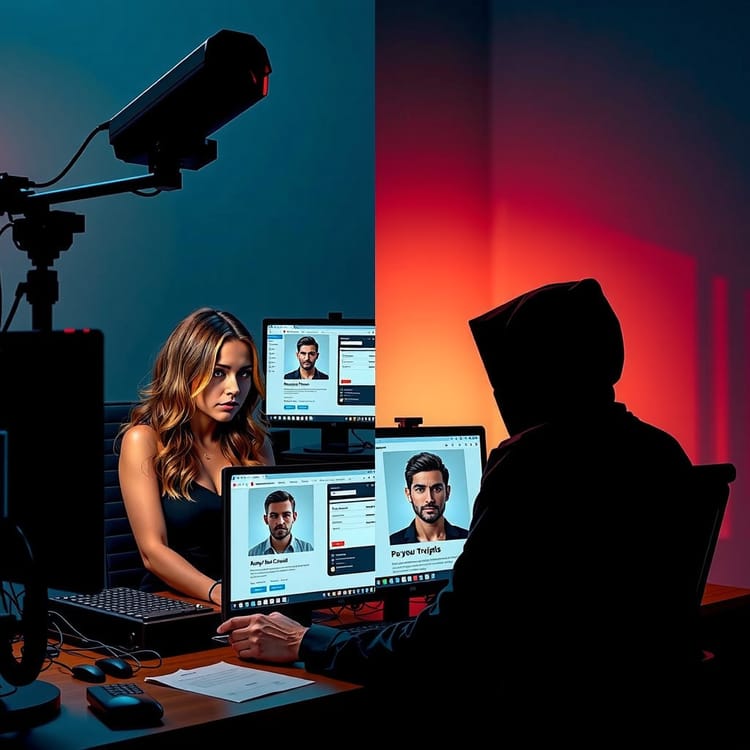
The message came through like any other DM. But instead of the usual request, it contained something that made her blood run cold: her childhood home address. The street she grew up on. Her father's phone number.
She hadn't lived at that address in seven years. She'd been careful - or so she thought. Separate phone for work. Never showed her face on social media. Used a stage name. But somehow, this creep found her anyway.
The worst part? He told her exactly how he did it. Paid five bucks on a public records website.
This isn't some rare horror story. It's happening right now to cam models who think they're safe. And the distance between 'I've been careful' and 'someone just sent me my address' is way smaller than most people realize.
Why Basic Privacy Advice Isn't Enough Anymore
You've heard the basics: use a stage name, don't show your face, block your state. Great. But stalkers aren't using basic techniques anymore.
They're using digital forensics - the same tools law enforcement and private investigators use. And they cost less than your morning coffee.
Here's what models are up against right now:
- Public records databases (Whitepages, Spokeo, BeenVerified) selling your name, address history, and family member info for $1-5
- Reverse image searches connecting your work photos to personal accounts you forgot about
- Photo metadata revealing your exact GPS coordinates from pictures you thought were 'safe'
- LinkedIn profiles you set up years ago with your real name, job history, and location
- Payment app usernames (PayPal, CashApp, Apple Pay) showing your real name
One model shared in a Reddit thread: 'Someone doxxed me from just a picture of the sky.' Geolocation data embedded in the photo gave away her location.
Another had someone show up at her house with a backpack. Rope inside. She bought a shotgun three days later.
The Public Records Problem: Why Your Old Address Is a Gateway
Here's the thing that catches most models off guard: public records databases don't just have your current address. They have every address you've ever lived at. Your parents' address. Your relatives. Associated names.
That childhood home you haven't thought about in years? It's sitting in the database. Connected to your real name. And from there, stalkers can trace forward to find where you live now.
The model who got doxxed with her father's info? The stalker started with her childhood address from public records, then found her dad's number through associated relatives. He didn't need sophisticated hacking skills. Just five bucks and ten minutes.
What makes this particularly cruel is that the legal system doesn't take it seriously until physical violence occurs. Digital stalking, address sharing, family contact - none of it's enough to get law enforcement involved in most jurisdictions.
The Reverse Image Search Trap
This is the number one mistake models make, and it's shockingly easy to fall into.
You take a cute photo. Post it to your work Instagram. Later, you forget and post the same photo (or even just a similar one from the same shoot) to your personal Facebook. Boom - you just connected your stage name to your real identity.
Reverse image search tools like Google Images, TinEye, and Yandex can find every instance of that photo online. All it takes is one cross-posted image to link your work account to your personal life.
Models in the community are sharing these war stories:
- Posted a photo of their dog on both accounts - connected via reverse image search
- Used the same room background in work and personal photos
- Wore the same unique jewelry in cam shows and personal pics
- Posted travel photos from the same location on both accounts
The rule is absolute: NEVER use the same photos across work and personal accounts. Not similar photos. Not photos from the same day. Not even photos in the same outfit if the background matches.
The LinkedIn Landmine
Multiple models in the community call LinkedIn the number one doxxing tool they forgot about.
You created it years ago when you had a different career. Real name, work history, location, professional headshot. And you completely forgot it existed.
Stalkers know this. They search your stage name, find a photo match via reverse image, then check LinkedIn for anyone with that face. Boom - real name, current city, employment history.
Delete it. Not privatize - delete. If you need LinkedIn for future career prospects, create a new one later with different photos and a maiden name or pseudonym. But that old profile with your real info? It needs to go.
The Photo Metadata Nightmare
Every photo you take with your phone contains hidden data called EXIF metadata. This includes:
- Exact GPS coordinates of where the photo was taken
- Date and timestamp
- Camera model and settings
- Sometimes even the device ID
When you upload photos to social media or send them to clients, this metadata often goes with it. Anyone can download your photo, right-click to view properties, and see exactly where you were standing when you took it.
That 'safe' photo of the sky? GPS coordinates embedded. The cute selfie in your bedroom? Just gave away your home address.
Fix it now:
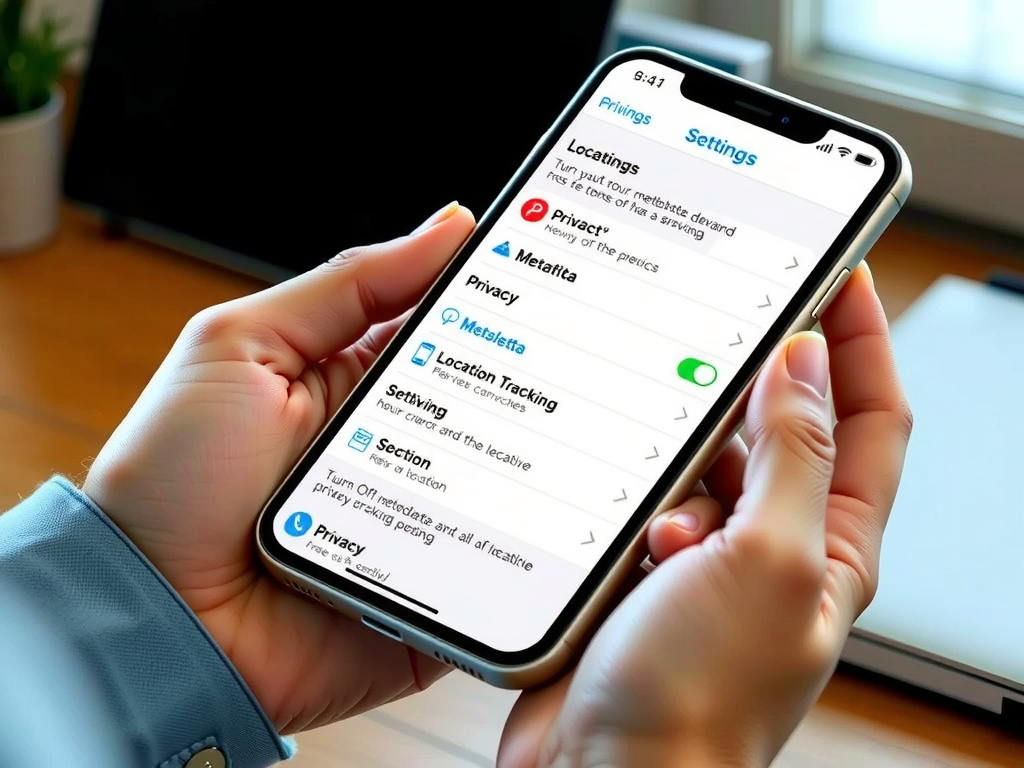
- iPhone: Settings > Privacy > Location Services > Camera > Never
- Android: Settings > Apps > Camera > Permissions > Location > Deny
For existing photos, use metadata removal tools before posting. Apps like Metapho (iOS) or Photo Exif Editor (Android) strip this data out.
The Payment App Trap
A client wants to tip you via PayPal. Or CashApp. Or Apple Pay. Seems convenient, right?
Wrong. These payment methods leak your real name.
- PayPal shows the account holder's name on receipts
- Apple Pay displays your full name when sending money
- CashApp cashtags can be searched to find associated real names
- Venmo has public transaction feeds that can reveal connections
The solution: create completely new payment accounts using your stage name and a dedicated work email. Never link them to your personal bank account with your real name. Use a dummy intermediary account to transfer funds between work and personal finances.
Better yet: avoid these platforms entirely for sex work payments. Use platforms designed for adult content (OnlyFans, Many Vids, IWantClips) where payment processing is built for anonymity.
The Forensic-Level Defense Strategy
Now that you know how stalkers are finding you, here's what models who take security seriously are actually doing:
1. The Public Records Purge
Search your real name on these sites and submit opt-out requests for each one:
- Whitepages
- Spokeo
- BeenVerified
- PeopleFinder
- Intelius
- TruthFinder
Yeah, it's tedious work. Each site has its own opt-out process. Some require ID verification. But it's worth it.
One model in the community shared her strategy: she contacted her county clerk to remove her name from public property records tied to her home ownership. Took some persistence, but it worked.
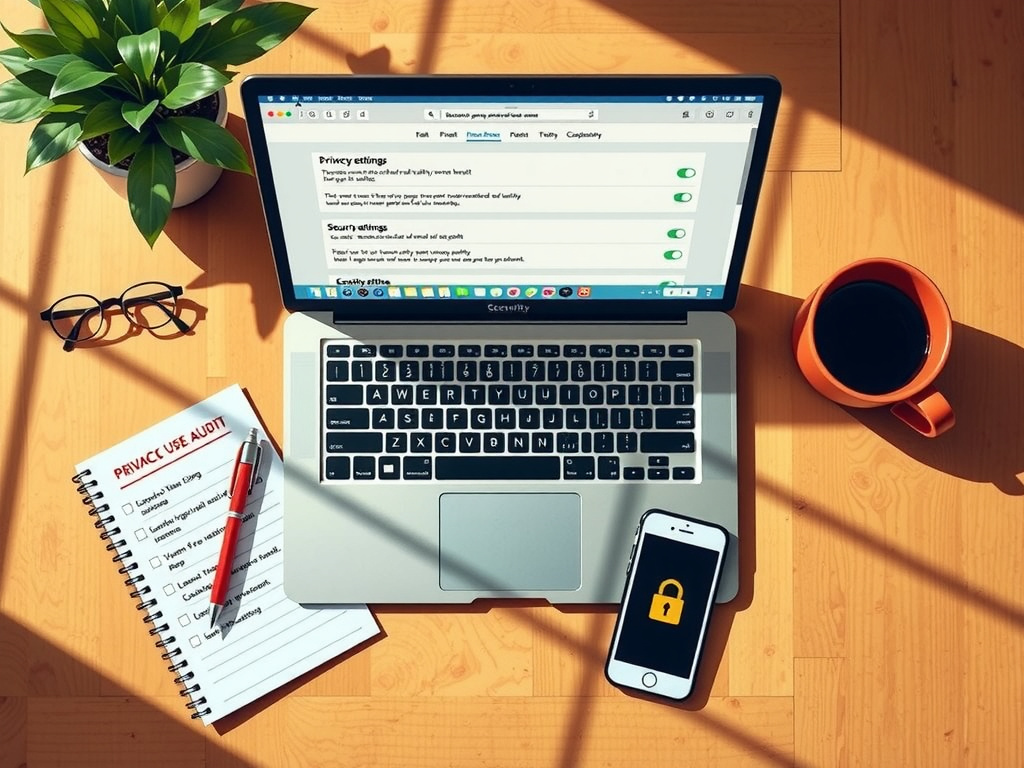
2. The Digital Footprint Audit
Google your real name in quotes. Check:
- Old social media accounts (MySpace, anyone?)
- Blog comments from years ago
- Forum posts with your real name
- Professional directories (teachers, nurses, real estate agents often appear in searchable databases)
- College or high school reunion pages
- Local news articles mentioning your name
Delete or request removal for everything you can. For sites that won't remove content, request Google to de-index the pages.
3. The Photo Segregation Protocol
- Work photos: one dedicated phone or camera ONLY for work content
- Personal photos: completely separate device
- Never the twain shall meet
One model shared: 'I change my bedding completely between work and personal time. Different sheets, different pillows, different wall art. My work setup and my personal bedroom are visually distinct so there's no overlap in backgrounds.'
4. The Geo-Blocking Setup
Most cam platforms offer geo-blocking. Use it.
- Block your home state at minimum
- Block your home country if you're comfortable losing that traffic
- Block specific cities or regions where family lives
Yeah, you'll lose some potential viewers. But the peace of mind knowing your neighbor isn't in your cam room? Worth it.
5. The Background Check
Look at every photo you post with stalker eyes. Check for:
- Store names or logos visible through windows
- Apartment complex identifying features
- Street signs or building numbers
- Local landmarks or distinctive architecture
- Mail or packages with addresses visible
- Unique decor items that could identify your location
6. The Phone Number Separation
Get a separate phone number for work. Options:
- Google Voice (free, US only)
- Burner app ($5/month)
- Prepaid phone from a gas station (old school but effective)
- Hushed or MySudo apps
Never give out your real number. Ever. No matter how nice the client seems.
7. The Physical Security Layer
Multiple models in the community mentioned taking these steps after doxxing scares:
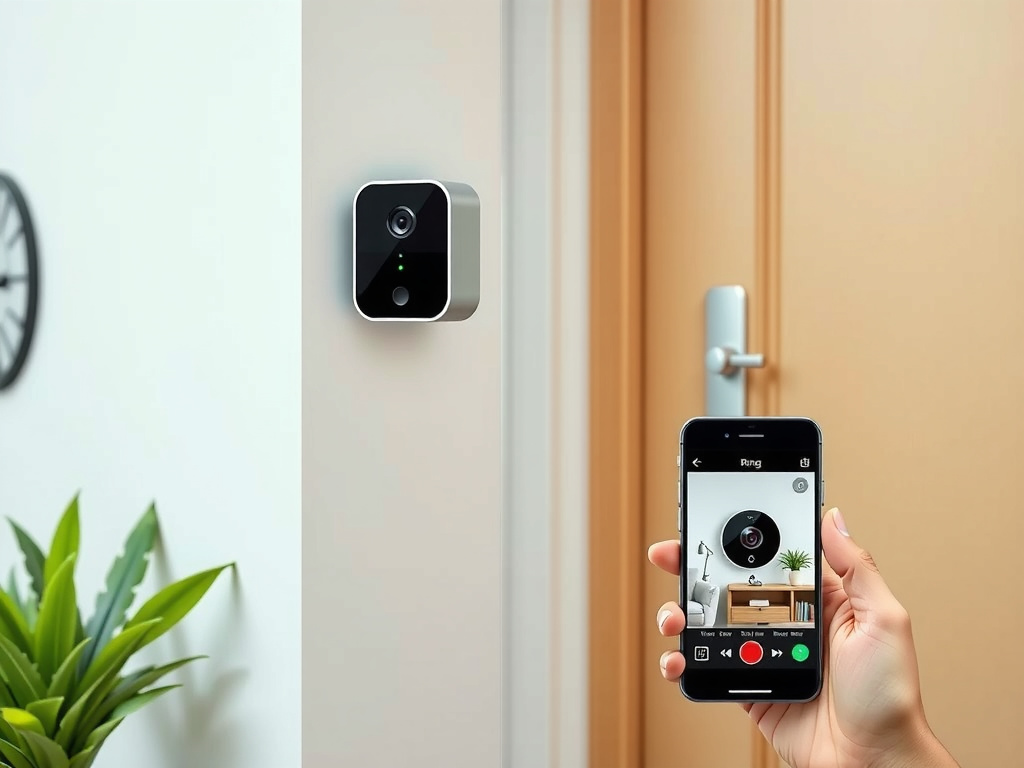
- Ring doorbell cameras
- Security system with motion sensors
- Firearm training and keeping a gun accessible (where legal)
- PO box for all mail instead of home address
- Telling trusted neighbors to call police if someone asks about you
Sounds paranoid, I know. But when someone shows up at your door with rope in their backpack, paranoia starts feeling like common sense.
The Username Audit
Search your stage name across platforms. Tools like Namechk or KnowEm can help. You're looking for:
- Accidentally using the same username on personal and work accounts
- Old accounts you forgot about with identifying info
- Usernames similar to your real name
- Gaming accounts, forums, or hobby sites using your work name
One accidental username overlap can connect your identities.
What to Do If You've Already Been Doxxed
First: this is not your fault. The stalker is the criminal, not you.
Second: don't let shame stop you from taking action. Multiple models shared feeling 'embarrassed' after being doxxed. That shame is misplaced - the violation happened to you, you didn't cause it.
Immediate steps:
- Document everything. Screenshots, timestamps, usernames. Save it all.
- Report to the platform where it occurred
- File a police report (they likely won't do anything, but create the paper trail)
- Consider a legal name change if the doxxing is severe
- Look into restraining orders if threats escalate
- Warn family members that someone may contact them
- Consider moving if your home address was leaked
The model who had someone show up with rope? She moved. Started over with completely new accounts. Lost subscribers and income. But she's safe now. That's what matters.
The Psychological Toll
Getting doxxed doesn't just compromise your safety - it messes with your sense of control over your own life.
Models describe feeling:
- Violated and unsafe in their own home
- Paranoid checking windows and doors constantly
- Wanting to quit the industry entirely
- Embarrassed and ashamed even though they did nothing wrong
- Angry at themselves for 'not being careful enough'
This trauma is real. If you've been doxxed, consider talking to a therapist who understands sex work. Many models report that processing the violation with professional help made recovery possible.
The Bottom Line
Doxxing isn't about hackers breaking into your accounts with sophisticated malware. It's about stalkers paying five dollars to access public information you didn't know existed.
The gap between 'I thought I was safe' and 'someone just sent me my address' is smaller than you think. Because safety in this industry isn't about being careful - it's about understanding the specific forensic techniques stalkers use and closing those vulnerabilities.
Public records databases. Reverse image searches. Photo metadata. LinkedIn profiles. Payment app names. These are the tools stalkers are using right now.
The defense isn't complicated. It's just tedious. Opt out of data broker sites. Delete old social media. Turn off location tagging. Separate your photos. Block your state. Audit your usernames.
It's work. But it's less work than starting over after being doxxed. Less work than moving to a new city. Less work than dealing with the psychological trauma of having your privacy violated.
The model who got her childhood address sent to her? She's starting over. New accounts, new persona, new security protocols. She's doing the work she wishes she'd done before.
You have the chance to do it now. Before the DM comes through.