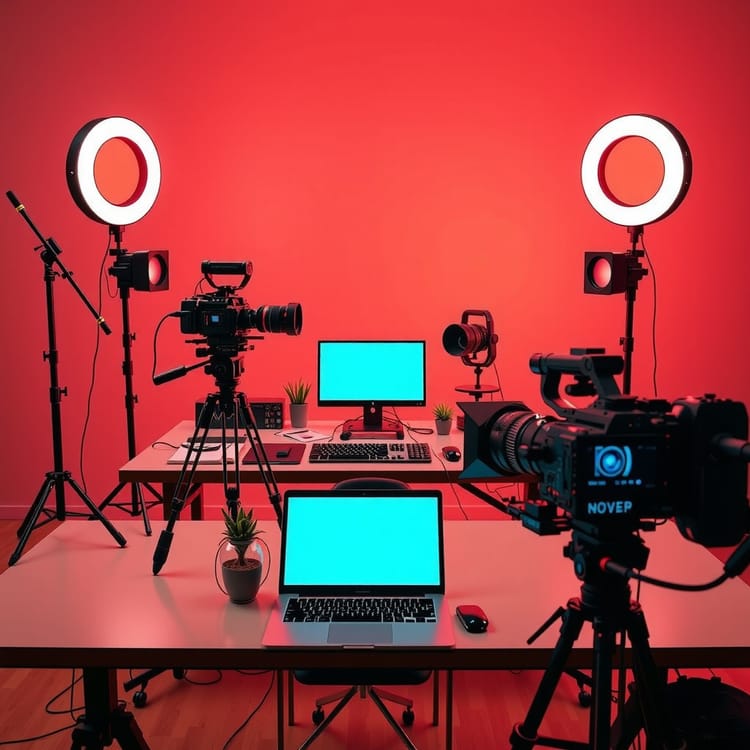
The Digital Nomad Cam Model Paradox: Why This Location-Free Job Keeps Models Stuck at Home (And What Those Who Actually Travel Deal With)
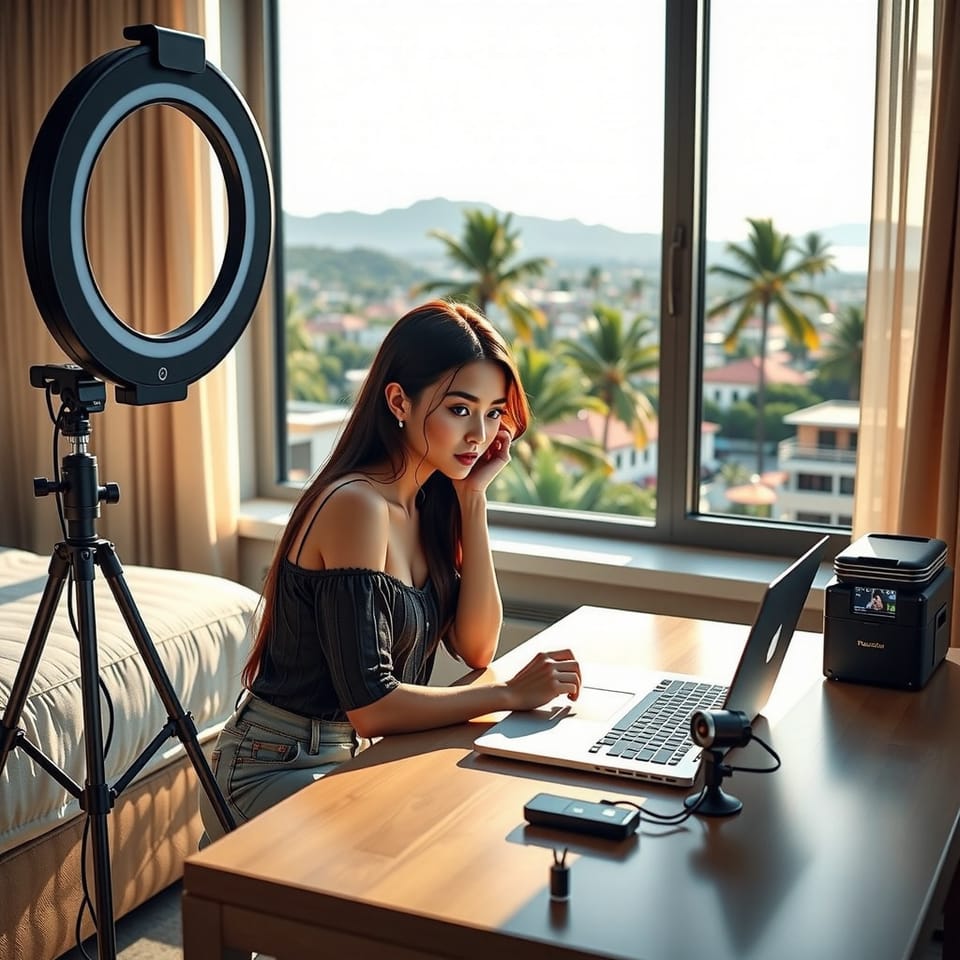
You're scrolling Instagram. Another digital nomad influencer posting sunset cocktails from Thailand, talking about their 'laptop lifestyle.' And you're sitting in your bedroom studio that costs $1,200 a month, doing a job that literally only needs WiFi and a webcam.
The math seems stupidly simple: If you can cam from your bedroom in Cleveland, you can cam from a $300/month apartment in Vietnam. If graphic designers and consultants can work from Bali, why the hell can't you?
Except almost nobody does it.
We dove into cam model communities trying to figure out this weird paradox. What we found: a handful of models actually living their best nomadic lives in South America and Southeast Asia, and hundreds more who'd love to travel but feel genuinely trapped by barriers that have nothing to do with wanting adventure. Understanding what those obstacles actually are is the first step toward either making this work or deciding it's just not for you.
The Models Who Actually Do It (And What Their Life Really Looks Like)
There's a model currently streaming from South America who broke it down like this: 'I know digital nomad is kinda an annoying term lol but this job is so easy to do from anywhere. As long as you have internet, you're good.'
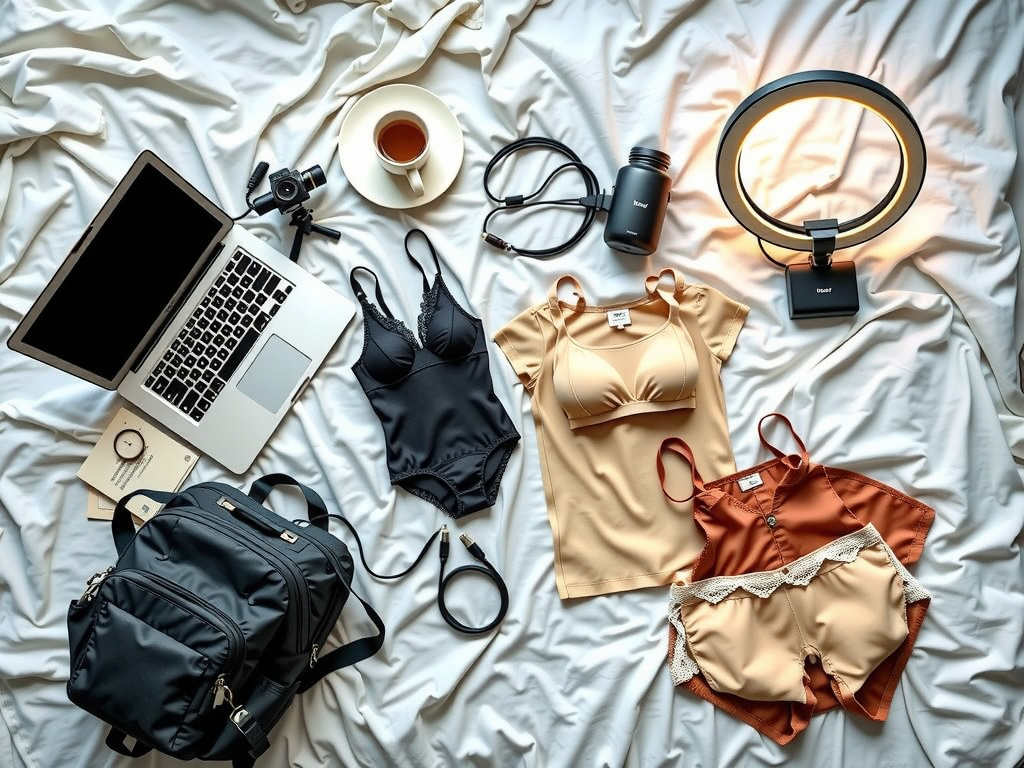
Her setup? A laptop, one webcam, two dildos, a Lovense, and a small ring light. Everything fits in a backpack and checked luggage. She books studio apartments for $200-400 a month - less than half what she'd pay in the US - and keeps the same working schedule she had back home.
But here's what the Instagram posts don't show: She's not treating this like a vacation. She works her regular hours. She budgets carefully. She avoids tourist traps. She wakes up at 2 AM to stream for her US audience because timezone math doesn't give a shit about your travel dreams.
And she definitely can't tell the other digital nomads at the coworking space what she actually does for work.
Why Most Models Don't Even Try: The Real Barriers
1. The Income Inconsistency Fear Factor
The number one reason models give for not traveling? Money isn't consistent enough to feel safe leaving home base. Income swings in this industry can be absolutely brutal.
You can't predict whether next month will be a $5,000 month or a $1,500 month. Committing to international travel when your income swings wildly feels reckless as hell. Most models don't have the passive income streams or emergency funds that traditional digital nomads build up before hitting the road.
And then there's the double-rent problem: Paying $1,200/month for your apartment at home while also paying for accommodation abroad feels financially insane. But giving up your home base entirely? That feels too risky if camming income suddenly tanks and you need to come back.
2. WiFi Quality: The Make-or-Break Variable
A graphic designer can work on slow WiFi. You can't.
Models who've tried streaming from hotels report that hotel WiFi is 'absolute worst' and completely unusable for streaming. Airbnbs? Hit-or-miss. One model explained her vetting process: 'I read every single review mentioning WiFi quality, then message hosts directly asking about upload speeds before I even consider booking.'
Even when hosts promise fast internet, you won't actually know if it works until you arrive. And by then, you've already paid. One bad WiFi experience can wreck your earnings for an entire week - or a whole month if you're locked into a long-term rental.
Models who successfully travel bring ethernet cables (wired connections are way more stable than WiFi) and have backup plans like mobile hotspots and travel routers. But that's additional cost and complexity most models just don't want to deal with.
3. Pets, Kids, and Horses (Yes, Really)
Multiple models said some version of: 'I'd travel full-time if not for my cats/dogs/horses/kids.'
International pet travel is expensive and complicated as hell. Some countries require months of quarantine. Boarding your dog for three months costs as much as the trip itself. And if you have kids in school or family obligations? Just forget it.
The stereotypical digital nomad is young, single, and pet-free. That's just not most cam models.
4. The Legal Gray Area No One Wants to Talk About
Here's where it gets dark: Some models admit to camming from countries where sex work is illegal - Vietnam, Thailand, Malaysia, conservative Islamic countries - using VPNs and just hoping for the best.
This sparks heated debates in cam model communities. Some argue the risk is minimal if you're discreet. Others point out that 'minimal risk' in some countries actually means potential imprisonment or worse.
One model summed it up: 'Check local sex work laws before traveling, but recognize many models take calculated risks with VPN use and discretion.'
The safest approach? Stick to countries where sex work is legal or decriminalized. But that eliminates most of Southeast Asia's cheapest destinations, so.
5. Setup Quality Takes a Massive Hit
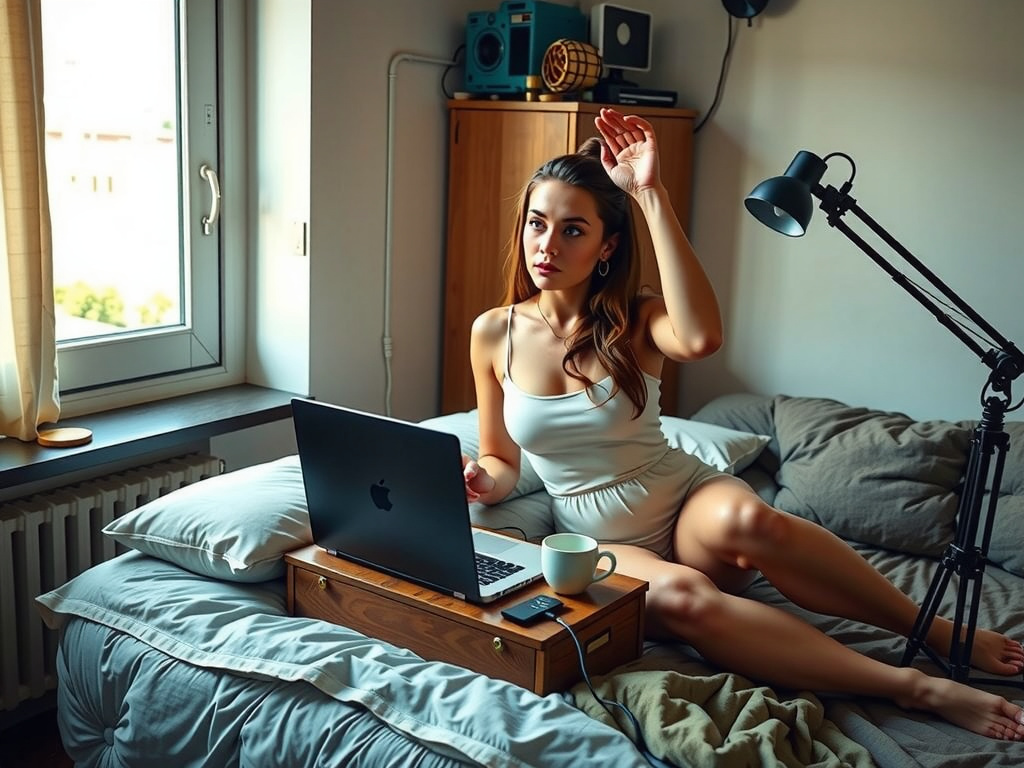
At home, you've got your perfect lighting setup, your extensive toy collection, your carefully curated angles, and your dedicated workspace where everything is exactly where you need it.
On the road? You're working with whatever natural light the Airbnb provides, a ring light you packed, 1-2 toys instead of your full arsenal of 20, and makeshift camera angles that change with every new location.
Some models are totally willing to accept that tradeoff. Others feel like compromising show quality just isn't worth the travel experience - especially when your actual earnings depend on maintaining a consistent, professional appearance.
6. The Social Isolation Multiplier
Camming is already isolating. You can't exactly tell people at parties what you do for work.
Traveling makes it so much worse. Digital nomad communities are built around shared coworking spaces, coffee shop meetups, and 'what do you do?' small talk. When every single social interaction requires lying or speaking in code about your actual job, the loneliness gets intense.
Models report using cover stories: 'I run an online business' or 'I'm a content creator/YouTuber.' It works fine for explaining the cameras and lighting equipment. But it doesn't exactly create real connections.
One model put it bluntly: 'Difficulty finding cam model travel buddies who understand the unique needs and challenges' is a major barrier. You're basically doing this alone.
What Models Who Successfully Travel Actually Do
For the handful of models who actually make it work, here's their playbook:
Budget Like Your Life Depends On It
Target $200-400/month for accommodations in Southeast Asia or Latin America. That's way less than US rent, which gives you financial breathing room even if earnings dip. Budget management becomes absolutely critical when you're traveling.
Save an emergency fund equal to a last-minute plane ticket home before you leave. If there's a family emergency, if your main platform bans you, if the internet is completely unusable - you need the ability to get back immediately.
Don't treat it like vacation. Work your regular hours. Track your expenses obsessively. Skip the tourist traps.
Obsess Over Internet Quality
Before booking anything:
- Read every single Airbnb review mentioning WiFi quality
- Message hosts directly to ask about upload speeds (not just download)
- Test the connection the second you arrive - run a speed test, do a trial stream if possible
- Bring an ethernet cable - wired connections are way more stable than WiFi
- Have backup options: mobile hotspots, travel routers, knowledge of nearby cafes with good WiFi
One tip from experienced travelers: Schedule your streams during off-peak internet hours in your location to maximize available bandwidth.
Pack Smart to Avoid Customs Drama
The minimalist traveling model setup:
- Laptop (carry-on)
- Webcam (carry-on)
- Small ring light (carry-on or checked)
- Lovense toy (carry-on or checked)
- 1-2 dildos (checked luggage - TSA is way more concerned about drugs than sex toys)
- Minimal outfits
- Ethernet cable
Models report that traveling with 1-2 dildos in checked luggage rarely gets flagged. Security's looking for weapons and drugs, not your work equipment.
Navigate the Legal Risks
Check local sex work laws before traveling. Some countries where sex work is legal or decriminalized:
- Netherlands
- Germany
- New Zealand
- Parts of Australia
- Colombia
- Parts of Mexico
For tax purposes: Stay under 2 months per country to avoid triggering local tax obligations while still satisfying US tax requirements. If you're planning extended stays (6+ months), consider digital nomad visas for countries like Greece, Spain, or Portugal - though you'll need proof of remote income and can't exactly be honest about your occupation on the application.
The Airbnb Survival Guide
Airbnb challenges specific to cam models:
- Hosts living on the property (awkward for obvious reasons)
- Shared entrances where you might encounter other guests
- Noise from neighboring families or thin walls
- Risk of host discovering what you're doing and kicking you out mid-stay
- Commercial activity clauses in house rules
One creative solution: Book private rooms in hostels. You get a locked private space for camming plus the opportunity to meet other travelers in common areas - without the host-breathing-down-your-neck dynamic you get with a lot of Airbnbs.
Why Some Models Prefer Staying Put
Not everyone wants to be a digital nomad, even if they technically could be.
Some models are straight-up homebodies who value the stability of their dedicated workspace. They've invested in professional lighting, extensive toy collections, perfect camera angles. They don't want to sacrifice show quality for travel experiences they're not even sure they'd enjoy.
Others have actually built lives where they are - friends, family, relationships, community connections. The whole appeal of 'location independence' assumes you want to be independent from your location. But what if you actually like where you live?
And for models with pets, kids, or other family obligations, the fantasy of traveling while camming just doesn't match reality. You can't exactly bring your horse to Vietnam.
The Bottom Line
Can you cam while traveling internationally? Absolutely. Models are doing it right now from South America, Southeast Asia, and Europe.
Is it the location-free paradise that digital nomad Instagram makes it look like? Not even close.
The barriers are real: inconsistent income, WiFi roulette, legal risks, setup compromises, intensified isolation, and the whole logistics nightmare of pets and family. For most models, those barriers just outweigh the benefits of traveling.
But for the models who want it badly enough - who are willing to budget obsessively, accept setup compromises, research internet speeds like their income depends on it (because it does), and deal with the loneliness of hiding their real work from other travelers - it's absolutely possible.
The question isn't whether you can do it. It's whether you actually want to.