
The Digital Nomad Cam Model: How to Travel the World While Making USD (And Why More Models Don't Do It)
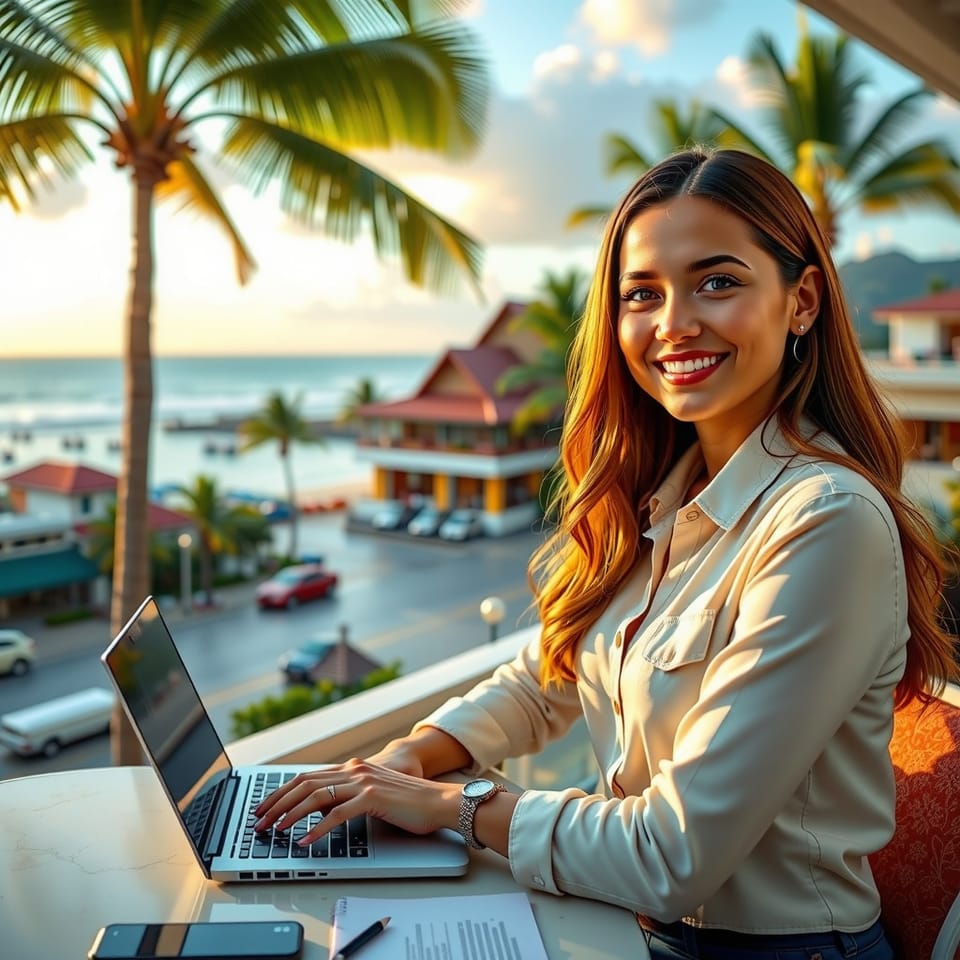
Picture this: You're pulling in $2,000 a month from camming. After paying rent, keeping the lights on, buying groceries, and filling up your gas tank, you've got maybe $300 left over - if you're lucky. Now imagine another cam model across the globe in Vietnam, making that exact same $2,000. She's spending $400 on rent, eating out literally every night, and still pocketing $1,200 each month.
What's her secret? She figured out something most cam models never even think about: your income can follow you anywhere in the world.
There's this Reddit thread in r/CamGirlProblems that blew up recently - someone asked a pretty straightforward question: 'Why don't more cam models travel?' The thing exploded with 93 comments. Models streaming from Southeast Asia, Europe, South America all chimed in, while others were like, 'Wait, I can do that?'
Here's the thing - camming might actually be the most travel-friendly gig on the entire planet. Laptop? Check. Decent wifi? Check. Webcam? That's literally it. So why aren't more models doing this? Understanding business strategy is honestly the first step to making this whole thing click.
The Math That Changes Everything
Let's get real about what traveling while camming actually looks like money-wise. These aren't made-up numbers - they're from models who are out there doing it right now:
Cost of Living in the US:
- Rent: $1,200-1,800
- Utilities: $150-200
- Groceries: $300-400
- Car/insurance/gas: $300-500
- Health insurance: $200-400
- Total: $2,150-3,300/month
Cost of Living in Southeast Asia (Vietnam, Thailand, Indonesia):
- Nice apartment: $200-400
- Utilities/internet: $30-50
- Food (eating out daily): $200-300
- Transportation: $50-100
- Entertainment: $100-200
- Total: $580-1,050/month
So if you're making $2,000 a month camming in the US, you're probably barely breaking even or maybe squirreling away a couple hundred bucks. Take that same income to Vietnam? You're suddenly banking $950-1,420 every single month while actually living better than you did back home.
One model in that Reddit thread nailed it: 'I make the same money I made in the US but my quality of life is 10x better. I can afford a nice apartment, eat at restaurants, get massages twice a week, and still save more than I ever did back home.'
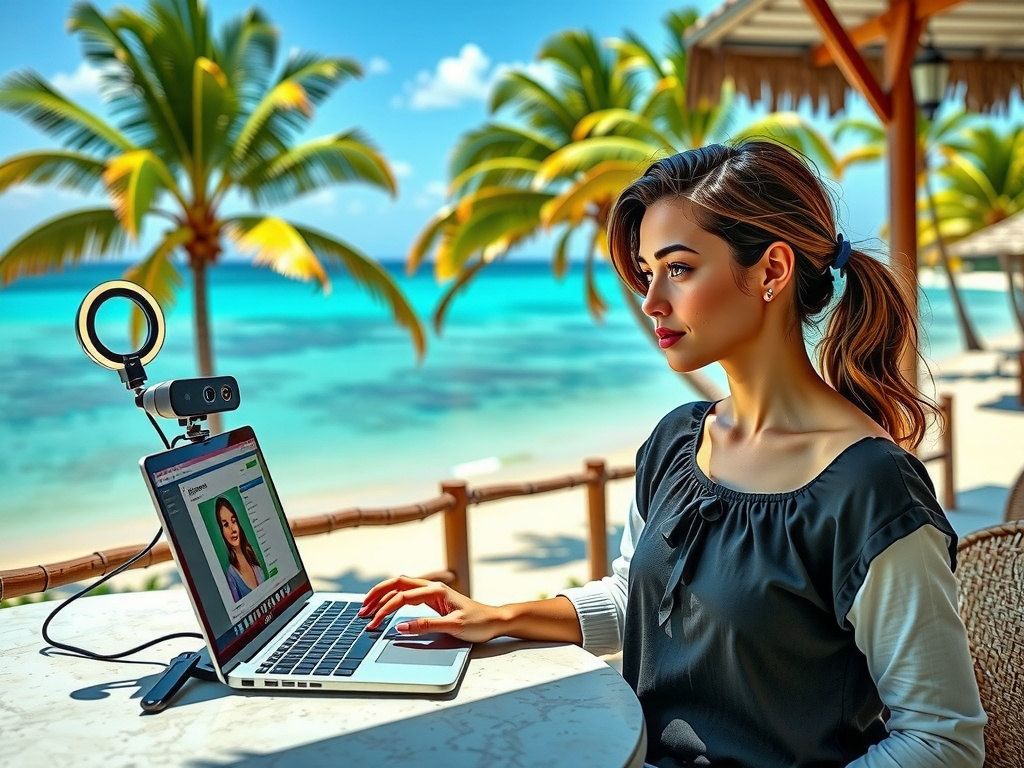
Why Most Models Think They Can't Do This
The Reddit thread really opened up about all these myths that keep models from even thinking about this lifestyle:
Myth 1: 'You need to be a top earner to afford traveling'
Reality check: If you're consistently pulling in $1,500+ a month, you can absolutely afford to travel in Southeast Asia - and probably save MORE than you're saving now. The barrier isn't your income - it's just not realizing how much cheaper life can be in other countries.
Myth 2: 'The internet won't be good enough'
Reality check: Major cities in Vietnam, Thailand, Indonesia, and Malaysia have killer internet - honestly often faster than what you'd get in rural America. The trick is checking Airbnb reviews specifically for internet speed before you book anything. Hotels are usually a crapshoot (and usually disappointing), but Airbnbs and monthly apartments? They work great.
Myth 3: 'I need tons of equipment'
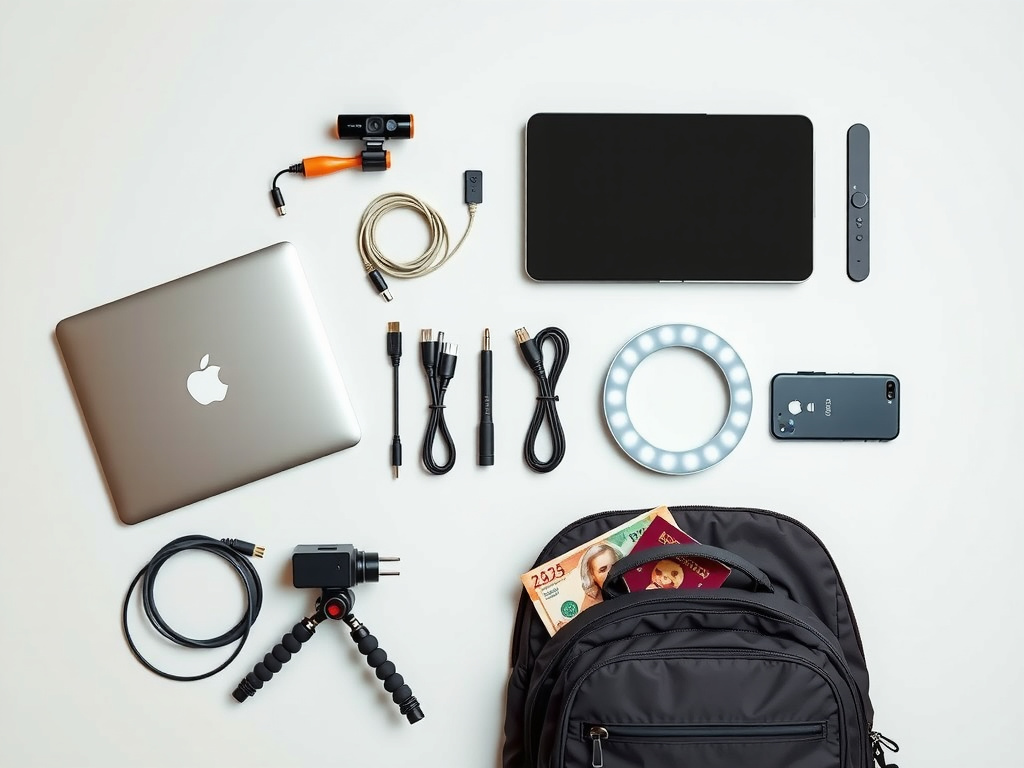
Reality check: Traveling models swear by keeping it minimal - laptop, webcam, ring light, 1-2 versatile toys, and your cables. Everything should fit in a backpack. You really don't need your entire toy collection or some elaborate multi-light setup.
Myth 4: 'It's not safe for solo female travelers'
Reality check: Southeast Asia is actually one of the safest regions for women traveling alone. Literally millions of women travel there every year. The usual safety rules still apply though - don't broadcast where you're staying in real-time, trust your gut, stick to populated areas, and connect with digital nomad communities for backup.
The Biggest Barrier Nobody Talks About
According to the Reddit discussion, the number one reason models don't travel isn't money or safety - it's their pets.
Like, multiple models mentioned they'd love to travel but they can't leave their cats or dogs behind. And honestly? International pet travel is stupid expensive and complicated. Some countries make you do months-long quarantines. Finding pet-friendly places abroad adds a whole extra layer of complexity and cost.
If you've got pets and can't travel with them, here are your options:
- Start with 2-4 week trips and have a trusted friend or family member pet-sit
- Look into professional pet sitters or boarding facilities for longer trips
- Consider domestic travel first - US destinations with lower cost of living like parts of Texas, Florida, or the Midwest
- Accept that this lifestyle might not be compatible with pet ownership right now
Look, no judgment here - pets are family. But it's worth being honest that this is the main thing keeping a lot of models from a lifestyle that could seriously change their financial situation for the better.
How to Actually Make This Work: The Practical Guide
Based on advice from models who are currently out there living this life, here's your roadmap:
Start Small
Don't just quit your apartment and buy a one-way ticket to Thailand on day one. Test it out with a 1-2 week trip first. Pick a single city, book an Airbnb with confirmed good internet, and see if you can actually work effectively while traveling.
If that goes well, try stretching it to a month-long trip. A lot of models start with either Chiang Mai, Thailand or Da Nang, Vietnam - both are total digital nomad hotspots with tons of infrastructure set up for remote workers.
The Equipment List
Keep it minimal. Everything needs to fit in a carry-on and personal item:
- Laptop (your primary tool)
- Webcam (Logitech C920 or similar)
- Small ring light or clip-on LED light
- 1-2 versatile toys (Bluetooth toys work great for travel)
- All necessary cables and chargers
- VPN subscription (just in case)
- Portable phone tripod (for backup streaming if needed)
Pro tip: Pack sex toys in your checked luggage, not carry-on. Hide them between clothes. If anyone asks at customs, just say your camera equipment is for YouTube or blogging - which, I mean, technically isn't wrong.
Where to Go (And What It Actually Costs)
Southeast Asia - The Sweet Spot:
- Vietnam (Da Nang, Ho Chi Minh, Hanoi): $600-900/month total
- Thailand (Chiang Mai, Bangkok): $700-1,100/month total
- Indonesia (Bali, Canggu): $800-1,200/month total
- Malaysia (Kuala Lumpur, Penang): $700-1,000/month total
These are all-in costs - rent, food, getting around, fun stuff, everything. English is super common in the touristy and digital nomad areas. Internet in cities is excellent.
Europe - More Expensive But Accessible:
- Portugal (Lisbon, Porto): $1,200-1,800/month
- Spain (Valencia, Barcelona): $1,300-2,000/month
- Greece (Athens, islands): $1,000-1,600/month
Eastern Europe (Poland, Czech Republic, Romania) can be even cheaper - think $800-1,200/month.
South America:
- Colombia (Medellin, Cartagena): $700-1,100/month
- Mexico (Playa del Carmen, Mexico City): $900-1,400/month
- Argentina (Buenos Aires): $600-1,000/month
The Internet Question
This is what everyone worries about most, but models who travel say it's actually less of a problem than you'd think:
- Before booking: Check Airbnb reviews specifically for mentions of internet speed
- Message hosts: Ask about their internet speed (most will test it and send you results)
- Avoid hotels: WiFi is almost always terrible
- Prefer monthly apartments: Better internet, more stable
- Backup plan: Get a local SIM card with data - many models have successfully streamed using phone hotspots in emergencies
- Co-working spaces: Most digital nomad cities have spaces with high-speed internet (though privacy is obviously a concern for camming)
One model in the thread said: 'I was terrified about internet before my first trip. Turned out the WiFi in my Da Nang apartment was faster than my home internet in Ohio. Just do your research before booking.'
The Legal and Tax Stuff You Need to Know
Disclaimer: This isn't legal advice, but here's what traveling cam models are actually doing:
Tax Obligations:
- If you're a US citizen, you still owe US taxes on worldwide income regardless of where you work
- Most countries don't require you to pay local taxes unless you stay 6+ months
- Many traveling models stay 1-2 months per country to avoid triggering tax residency
- Digital nomad visas are becoming common (Thailand, Portugal, Spain, etc.) and explicitly allow remote work
Sex Work Laws:
Sex work laws vary wildly by country, but enforcement against private online work is extremely rare. You're working for a US-based platform, serving mostly US and European customers, in the privacy of your own place. Models report basically zero issues.
That said, here's what you should keep in mind:
- Be discrete - don't advertise what you do
- Avoid conservative countries with strict laws (Saudi Arabia, UAE, etc.)
- Use common sense about noise levels in shared accommodations
- Have a cover story ready (you're a YouTuber, blogger, online fitness coach)
Platform Access:
Most cam platforms work fine internationally. Some models use VPNs just to be safe, but plenty report they don't even need them. Check your platform's terms of service - most don't actually prohibit working from abroad as long as you're legally allowed to work for them. For more on earnings optimization, check our comprehensive guide.
The Emotional Reality: What Nobody Tells You
The Reddit thread got pretty real about the emotional side of this lifestyle:
Loneliness is real. You can't exactly tell the other backpackers in your hostel that you're a cam model. Some models mentioned feeling pretty isolated, wishing they had 'cam girl travel buddies' to explore with.
The constant lying can wear on you too. When you meet new people and they inevitably ask what you do, you need a cover story ready. Some models are totally fine with this, others find it exhausting after months on the road.
But many models say the freedom is absolutely worth it. One commented: 'Yeah, I can't tell people what I really do. But I wake up in a new country, work a few hours, then spend the afternoon at the beach or exploring temples. I'll take that trade.'
Ways to combat loneliness:
- Join digital nomad communities (many cities have Facebook groups, meetups)
- Stay in places with other long-term travelers, not just tourists
- Take classes or join activities (yoga, language classes, cooking classes)
- Connect with other sex workers online - you don't need to meet them, but having people to talk to who understand your work matters
- Plan your route to coincide with other traveling models if possible
Your 60-Day Action Plan
If you're serious about trying this, here's how to actually make it happen:
Weeks 1-2: Research and Planning
- Pick your test destination (recommend Chiang Mai or Da Nang for first-timers)
- Research visa requirements for your passport
- Join digital nomad Facebook groups for your destination
- Read blogs from other digital nomads about your city
- Calculate your current monthly expenses vs. projected expenses abroad
Weeks 3-4: Financial Prep
- Save $1,500-2,000 for emergency fund (flight home, unexpected expenses)
- Get a no-foreign-transaction-fee credit card (Capital One Venture, Chase Sapphire)
- Make sure your bank cards work internationally
- Research travel insurance options
Weeks 5-6: Logistics
- Book flight (use Google Flights, Skyscanner for cheapest dates)
- Book accommodation for first month (Airbnb with good internet reviews)
- Get necessary vaccinations if required
- Check passport expiration (needs 6+ months validity)
- Download VPN and test it
Weeks 7-8: Equipment and Packing
- Test your setup - make sure everything works
- Pack minimally - you can buy most things there
- Bring a portable door lock for extra security
- Make digital copies of important documents
- Tell family/close friends your general plans (not exact location until you're safe)
Week 9+: You're There
- First few days: Get local SIM card, test internet, set up workspace
- Do a test stream to work out any technical issues
- Establish a routine - work during your normal hours adjusted for time zone
- Explore your new city during off hours
- Track your expenses to see actual cost of living
What If You Try It and Hate It?
That's exactly why you start with a short trip. If after two weeks you're totally miserable, you fly home and you're out maybe $1,000-1,500 total (flight plus two weeks of living). That's it.
But if you love it? You've just unlocked a lifestyle that lets you save way more money, experience different cultures, and live better than you did at home - all while doing the exact same work you're already doing anyway.
The real question isn't 'Can I afford to try this?' It's 'Can I afford not to?'
Final Thoughts From the Road
One model in the Reddit thread summed it up perfectly: 'I spent years thinking I needed to be making $5k+ a month to travel. Then I finally did the math and realized I could actually save MORE money living in Vietnam on $1,500/month than I was saving making $2,500 in Texas. I've been traveling for eight months now and it's the best decision I ever made.'
The reason more cam models don't travel isn't because they can't - it's because they don't realize they can.
You've got the most flexible job on the planet. You can literally work from anywhere with internet. So the real question is: where do you want to go?