The Secrecy Paradox: Why You're Hiding Your Cam Work From Your Partner (And Why the Community Can't Agree If That's OK)

A cam model posted in r/CamGirlProblems this week, and the 73-comment thread that followed revealed one of the most divisive issues in the community: I'm hiding the fact that I'm a cam model from a guy I'm dating.
She'd told him she's a 'streamer.' Now things are getting serious. And she's terrified of the conversation she knows needs to happen.
The responses weren't just advice. They were a full-on war zone.
One camp: "Tell him now or your whole relationship is built on lies."
The other: "Men will use this against you. Some will get violent. Protect yourself first."
Both sides have receipts. Both have scars.
The Safety Argument: Why Models Choose Secrecy
One model shared her story: she'd disclosed to someone she'd been dating for a while, and he turned violent. Her advice? If you're going to tell him, do it in public. Somewhere with other people nearby.
That's not paranoia. That's a safety protocol learned the hard way.
Multiple models said that when they disclosed, men changed how they treated them almost instantly. Not subtly, either-dramatically. Like flipping a switch from 'human being I'm getting to know' to 'free sex worker with no boundaries.'

The fear isn't just about his immediate reaction. It's about what happens if things end badly. Will he out you to your family? Your neighbors? Your boss at your day job?
One model didn't mince words: "Is your boyfriend gonna pay your bills? He could die tomorrow. Always put your ability to survive over a relationship."
For models in conservative or less-progressive societies, the stakes get even higher. Disclosure doesn't just risk a relationship-it can risk family ostracism or actual physical danger from communities where this work carries heavy stigma. It's connected to the broader concerns about privacy protection in the digital age that all content creators face.
The Honesty Argument: Why Secrecy Feels Like Self-Betrayal
But here's what the 'protect yourself' crowd doesn't always talk about: the mental toll of living a double life.
Models described feeling completely dissociated. Like they've got two identities that can never, ever meet. And the longer they wait to tell, the more it stops feeling like a boundary and starts feeling like lying.
The anxiety builds and builds. When's the 'right time'? After three dates? Three months? When he says he loves you? And if you wait until he's already got feelings, does that make you manipulative?
One comment in Spanish was heartbreaking: a model left what she described as a beautiful three-year relationship because she wanted to 'do things right' by finding someone she could tell from day one. She deeply regrets it now.
The honesty camp argues that if you can't be yourself with someone, the relationship isn't real anyway. Models who prioritize disclosure say they tell upfront-but many admit this strategy leaves them constantly single or dating, because most guys just can't handle it. This is part of the bigger challenge of finding authentic partnerships as a cam model in a world that still stigmatizes the work.
The Impossible Math of the Disclosure Paradox
Here's the paradox that makes this whole thing feel unsolvable:
Tell early, and your honesty might kill the relationship before it starts. You'll filter guys out before they even get to know you as a person.
Tell late, and the dishonesty prevents it from being real. You're with someone who doesn't know a fundamental part of your life.

Some models try to thread the needle by asking hypothetical questions: 'How would you feel about dating a cam model?' But that's not exactly subtle. And a theoretical answer doesn't always predict how someone will actually react.
Others keep a second 'vanilla' job specifically to have something to talk about-reducing the pressure to disclose right away while still earning mostly from camming. These are the practical survival strategies a lot of models use to navigate work that's financially viable but socially complicated.
The 'Hero to Villain' Transformation
Several models described what I'm calling the 'hero to villain' thing: guys who seem totally accepting at first, even supportive, who slowly transform into something else.
Red flags to watch for after you tell him:
- Does he suddenly treat you more sexually? Like your profession means you should be more available or adventurous with him?
- Does he get possessive? Suddenly uncomfortable with you doing the work he claimed to accept?
- Does he try to control your work? When you stream, what you do on camera, which platforms you're on?
- Does he weaponize your work during fights? Throwing it in your face when he's mad?
The transformation isn't always immediate, either. Sometimes it takes weeks or even months. But models who've been through it describe it as insidious-acceptance slowly eroding into control.
What Actually Works: Real Models' Strategies
Through all 73 comments, some practical strategies did emerge from models who've successfully navigated this:
Screen thoroughly before you disclose. Know his values and character first. Has he shown controlling or possessive behavior about other stuff? How does he talk about women in general? About sex workers specifically?
If you tell him in person, do it somewhere public. A park where other people are around. Not his place. Not yours. Somewhere you can safely leave if the reaction gets threatening.
Have a safety plan ready. Before you disclose, know exactly what you'll do if he reacts violently or threatens to out you. Who can you call? Where will you go?
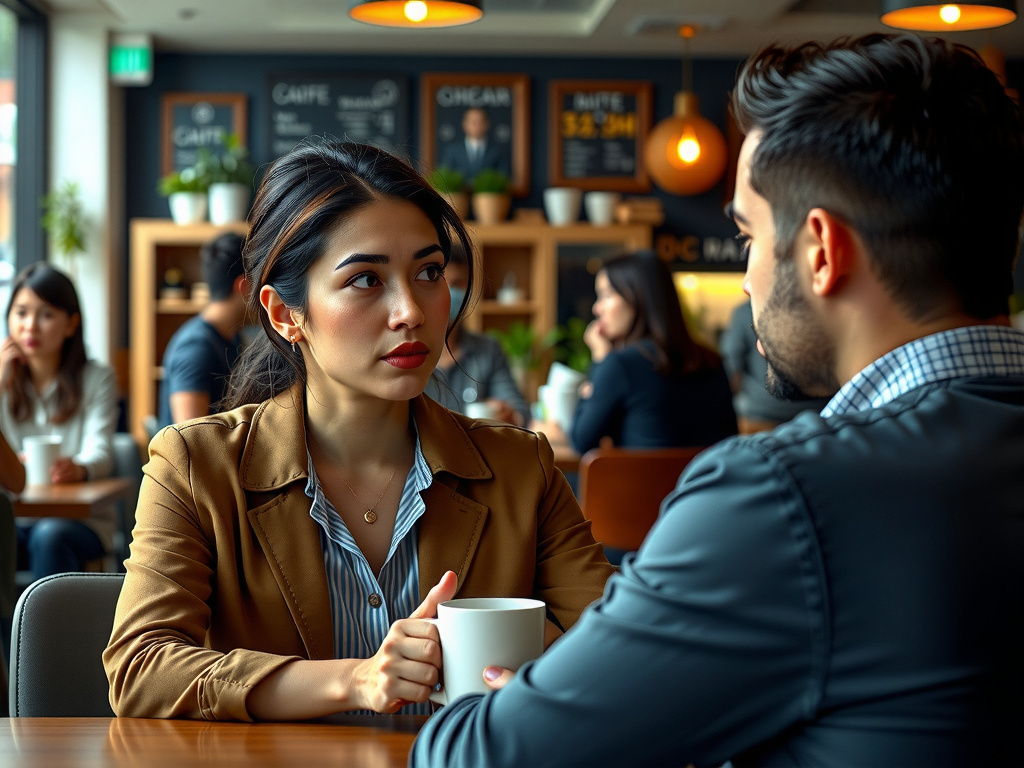
Use the 'streamer' opening you already have. If he's already cool with you being a 'streamer,' he might suspect something anyway. That gives you a natural way to clarify what kind of streaming without it being a total shock.
Trust your gut. If you feel unsafe telling him, that's telling you something about the relationship itself. Why are you with someone you can't trust with your truth?
The Models Who Never Tell (And Why That's Valid Too)
Some models in the thread pushed back hard on the whole idea that disclosure is even mandatory.
Their argument: this is part of your sexuality and intimacy. You're allowed to keep some things private. Not everything about you needs to be exposed.
They maintain strict separation between their cam persona and their dating life. They've got second jobs to talk about. They stream during hours when partners aren't around. They never mix the two worlds.
Is that sustainable long-term? The models doing it say yes. The models who tried it and burned out say no.
But here's what's worth acknowledging: for models in situations where disclosure genuinely threatens their physical safety or economic survival, secrecy isn't deception-it's self-preservation.
The Question Nobody Can Answer For You
After reading 73 passionate, conflicting, deeply personal responses, here's what's clear:
There is no universal right answer.
The models who prioritize honesty aren't naive idealists-they're protecting their mental health from the corrosive effects of living a double life.
The models who prioritize safety aren't manipulative liars-they're protecting their physical safety and economic survival from very real threats.
Both are valid. Both have costs.
The brutal truth is that this whole dilemma exists because of stigma-societal stigma that makes sex work dangerous to disclose, and individual stigma from men who can't see cam models as full human beings.
Until that changes, you're stuck with an impossible choice. And the only person who can make it is you.
Just remember: disclosure timing is a personal safety decision, not a moral failing. People who truly love you should accept all of you-but you get to decide when and how to share that truth.
And if you feel unsafe sharing it? That's telling you something about the relationship, not about you.