The VPN Ban Wave: How Stripchat, Chaturbate & Other Platforms Are Blocking Virtual Locations (And What It Means for International Models)

You log in to start your cam shift. Same VPN you've used for two years. Account suspended. No warning, no appeal, just a copy-paste response about 'terms of service violations.' Your payout? Frozen. Welcome to the VPN ban wave of 2026.
If you're an international model who relies on a VPN for privacy or better traffic, or you're broadcasting from a country with restrictive laws - this is for you. The ground just shifted beneath us, and most models don't even realize it yet.
The Silent Policy Shift: How Platforms Went from Tolerating to Banning VPNs Overnight
For years, VPN use lived in this weird gray area. Platforms knew models used them. We knew they knew. Everyone just... looked the other way. It worked. International models got better traffic positioning, privacy-conscious creators protected their locations, and platforms got more broadcasters.
That unofficial truce? Over. Ended in Q4 2025.
Stripchat rolled out some seriously aggressive VPN detection that triggers instant suspensions. Not warnings. Not grace periods. Permanent bans for accounts that had been running smoothly for years.
Chaturbate updated their terms in January 2026 to flat-out prohibit VPN use. Models are getting hit with account holds and forced to prove their physical location through utility bills. One model shared on Reddit: 'They wanted three different documents showing my address. I've been broadcasting for four years. Never had an issue. Now I can't work.'
BongaCams implemented an IP verification system that locks you into your verified home country. Digital nomad models who traveled while working? You're stuck picking one country and pretending you never left - at least as far as the platform's concerned.
MyFreeCams has always been pretty strict about IP monitoring, but they've dialed enforcement way up. Models who travel frequently are facing repeated verification delays that keep them offline for days.
The pattern's crystal clear: what used to be tolerated is now bannable. And they're enforcing these policies retroactively with zero consideration for established accounts.
Who This Really Hurts: The Geographic Inequality Behind VPN Bans
Let's be honest about who these policies actually hurt:
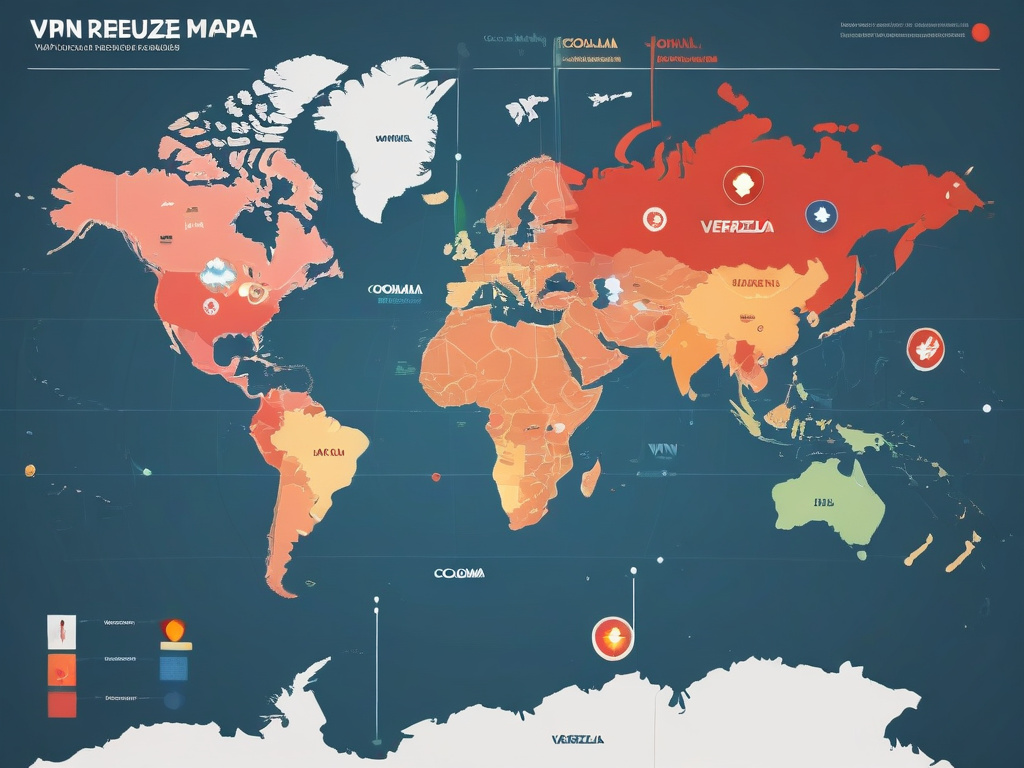
Eastern European Models
Many used VPNs to appear from Western Europe or the US for better traffic positioning. Platform algorithms favor certain regions - we all know it. Now they're stuck choosing: broadcast from their actual location and accept lower visibility, or risk permanent bans.
Colombian and Venezuelan Models
For them, VPNs weren't about gaming anything - they were about bypassing regional traffic throttling. Models are reporting income drops of 40-60% when forced to broadcast from their actual locations. That's not some minor inconvenience. That's the difference between making rent and not.
Southeast Asian Models
In countries where major platforms are blocked, VPNs weren't optional - they were the only way to access Western platforms at all. This ban wave means complete loss of access. No alternative. No workaround. Nothing.
Privacy-Focused Models Everywhere
Models used VPNs to hide their city or state from stalkers, abusive exes, or local recognition. This isn't paranoia - it's basic safety. One model wrote: 'I use a VPN because my ex found me once already. Now the platform is telling me my safety matters less than their compliance department.' Can't say she's wrong to be pissed.
This isn't about models trying to 'cheat the system.' It's about creators trying to work safely and on a level playing field in an industry that already treats them as disposable. Learn more about the geo-blocking paradox and how to protect yourself.
The Technical Arms Race: How Platforms Detect VPNs (And Why Simple Workarounds Don't Work Anymore)
Thinking 'I'll just switch to a better VPN'? Here's the thing - the detection methods have gotten scary sophisticated. We're way past basic IP blacklists now.
Deep Packet Inspection: They're analyzing your traffic patterns to detect VPN signatures. Even premium VPNs leave telltale signs in how data gets routed. This catches most commercial VPN services.
Browser Fingerprinting: Your device and browser characteristics create a unique fingerprint. If your browser says London but your device settings, time zone, and language all scream Bucharest - that's a red flag they can spot now.
GPS Verification: Mobile broadcasting apps now require location services enabled. If you're broadcasting from the mobile app, there's no hiding your location. Period.
Payment Method Cross-Reference: They're matching your payout bank location to your broadcast IP. Bank in Colombia but consistently broadcasting from a 'US' IP? That discrepancy gets flagged.
Reddit's full of models saying 'I switched to [premium VPN service] and still got banned.' That's because it's not just about IP addresses anymore. It's multi-layered, and it's actually working.
What Platforms Won't Tell You: The Real Reasons Behind VPN Crackdowns
Platforms give you three official reasons for VPN bans:
- Compliance with international regulations
- Prevention of fraud and account theft
- Improving traffic quality and user experience
Here's what that actually means:
Compliance with international regulations = we need accurate location data for tax reporting and content licensing. Platforms are getting hammered by the EU Digital Services Act and US state-level age verification laws. They're dumping that compliance burden onto models by forcing location disclosure.
Prevention of fraud is legit, sure - but they're implementing it with zero nuance. Models who travel for work, have dynamic IPs, or need privacy protection get caught in the same net as actual fraudsters. No appeals. No consideration of account history.
Improving traffic quality means: advertisers want accurate geo-targeting. Platforms make money from ads. Advertisers pay more for users in high-value regions. When models use VPNs, it screws up that targeting data. Your privacy is worth less than their ad revenue.
One international tax lawyer put it bluntly: 'Regulatory pressure will only increase. This trend is permanent. Platforms aren't going to reverse course because the legal risk is too high.'
Your Options When VPNs Are Off the Table
Alright, let's talk about what you can actually do. No sugarcoating, just real assessments:
Option 1: Platform Diversification to VPN-Tolerant Sites
Viability: Medium Smaller platforms like Camsoda, Cam4 (though enforcement varies), and ImLive (in some regions) have more flexible policies.
The tradeoff: Less traffic means less earning potential, but you keep privacy protection. If you're pulling $500/week on Chaturbate, you might make $200-300 on a smaller platform. Question is whether that income hit is worth maintaining your privacy.
Option 2: Residential Proxy Services
Viability: Low Residential proxies run $50-150/month and route your traffic through real residential IPs instead of data center IPs that VPNs use.
The tradeoff: High cost, uncertain longevity, and advanced fingerprinting can still catch them. You might get a few months before the ban hammer drops. Models are reporting temporary success that ends the same way - suspension.
Option 3: Mobile Hotspot Broadcasting
Viability: Medium-High Broadcasting through your phone's hotspot instead of home WiFi makes your IP harder to track and flag.
The tradeoff: You need a solid unlimited data plan (add $50-100/month to your costs) and connection stability can be hit or miss. One model said: 'Works great until it doesn't. Lost a $200 private because my connection dropped.'
Option 4: Legal Relocation
Viability: Low Physically moving to a country with better platform policies or more favorable visibility.
The tradeoff: Major life disruption, visa requirements, moving costs, new tax implications. This solves it permanently but it's not realistic for most models. Only consider this if you were already planning to relocate anyway.
Option 5: Embrace Authentic Location with Enhanced Privacy Measures
Viability: High This is probably the most sustainable long-term approach. Broadcast from your actual location but go hard on other privacy protections.
The tradeoff: You'll need aggressive geo-blocking of your home region, might face lower visibility if you're in a 'less desirable' location, and have to invest in other privacy measures like LLC formation and dedicated work devices.
This is where most models will eventually end up, whether by choice or by force. For legal protection details, check out our guide on how to form an LLC as a cam model.
The Privacy Paradox: How to Protect Yourself When Platforms Force Location Disclosure
If you can't hide your location anymore, you need to get serious about every other piece of privacy protection:
Aggressive Geo-Blocking: Block your entire state or country, not just your city. Yeah, you'll lose local traffic, but that's the traffic most dangerous to you personally.
We've covered this extensively in The Geo-Blocking Paradox - the income vs privacy tradeoff is real, but safety comes first.
Form an LLC: If platforms are going to know your location, at least protect your legal name. LLC formation keeps payment apps from exposing your real name. It's not perfect, but it's another layer of protection.
Dedicated Work Phone: Separate devices aren't optional anymore. Your work phone should never touch your personal accounts, contacts, or social media. Ever.
Contact Syncing Awareness: Even with perfect precautions, contact syncing can expose you. Understand how apps share data and what you can't control.
Platform Diversification: Don't put all your income on one platform that could ban you tomorrow. Build backup income streams before your main site forces your hand.
The Bottom Line: Don't Wait for the Ban
If you're currently using a VPN to broadcast, you need to make a decision now. Not next month. Not when you get a warning. Now.
Audit every platform you use. Check their current VPN policies. Look at how aggressive their enforcement has been. Read the Reddit threads about which platforms are banning models right now.
Then make a strategic choice:
- Diversify to smaller platforms with more flexible policies
- Invest in alternative location masking that might buy you more time
- Transition to broadcasting from your real location with enhanced privacy measures
What you can't do is nothing. The models getting banned right now? They thought they had more time. They thought their established accounts would be grandfathered in. They thought platforms would give warnings.
They were wrong.
The VPN ban wave is here. The question isn't whether it's fair or whether platforms should do this. The question is: what are you going to do about it before it's too late?