The Travel Paradox: Why Most Cam Models Stay Home Despite $200/Month Rent in Bali (And Why That's Actually Smart)
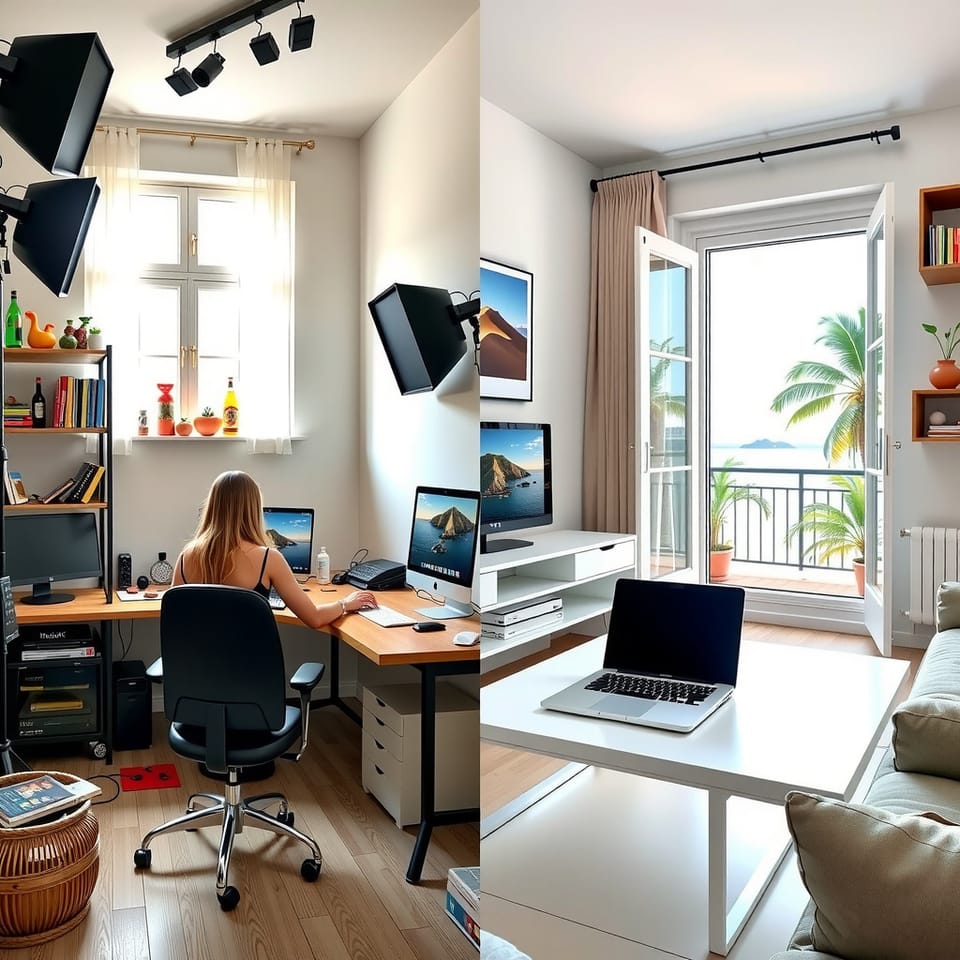
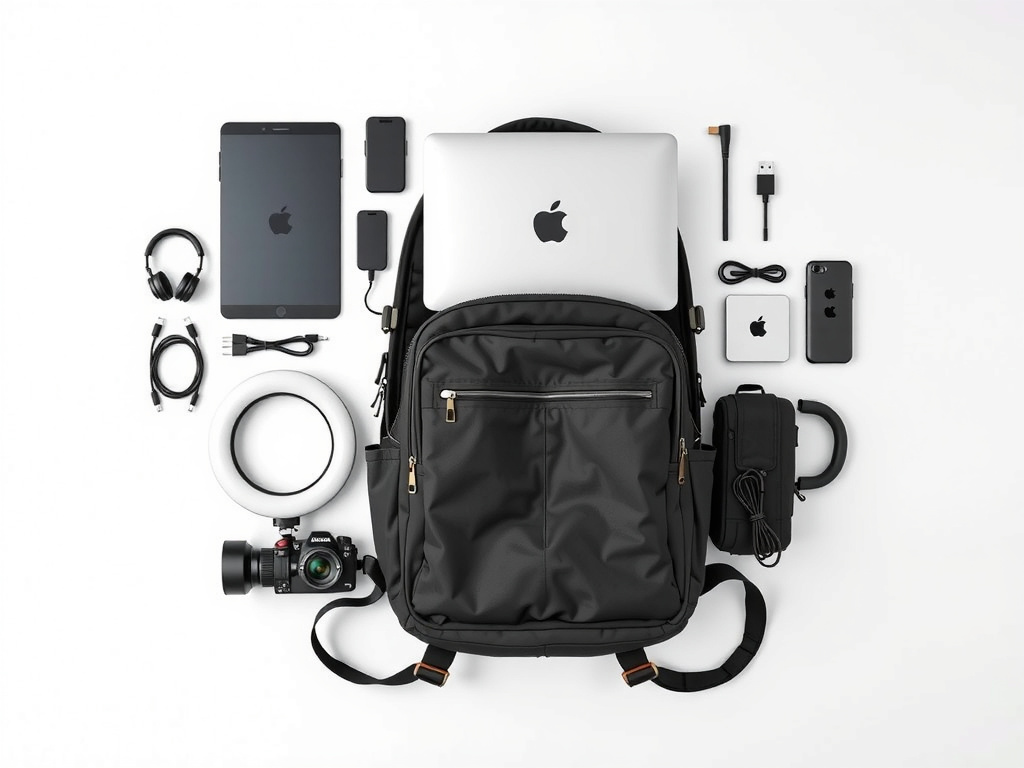
Think about it: you can work from literally anywhere with WiFi. Your entire 'office' fits in a backpack. You could be streaming from a beachfront apartment in Vietnam for $400 a month while earning US rates. So... why aren't more cam models traveling?
It's a question that came up in a late-night Reddit thread, and honestly? The 93-comment discussion that followed was eye-opening. The cam model community is pretty much split down the middle: travelers who can't imagine ever going back, and homebodies who wouldn't trade their carefully curated setup for anything.
Here's the thing - neither side is wrong. But this whole conversation really exposed why the 'digital nomad cam model' lifestyle isn't as universal as you'd think. And honestly? That's probably a good thing.
The Financial Case for Travel Is Absurdly Strong
Let's start with the numbers, because they're kind of ridiculous:
Models who travel to Southeast Asia report spending $200-500 per month for studio apartments. We're talking air conditioning, reliable WiFi, your own place - not a hostel bunk bed situation.
One model in the thread described her Vietnam setup: beachfront apartment for $400 a month. She could hop over to Japan or Thailand on a whim. Another mentioned spending $200 per month max - which is less than what most US models pay just for utilities.
The cost-of-living arbitrage is wild. You're earning tokens that convert to US dollars while paying rent in countries where $5 covers a full meal. Doctor's appointments without insurance? Doable. Dentist? Not a financial crisis. Movie every weekend? Sure, why not. It's a quality of life that would cost triple back in the States.
One traveling model put it pretty bluntly: 'Most countries outside of the US have a lower cost of living. You just live normally and make your money normally, but you spend less.'
So if the money works out this well... why isn't everyone doing it?
The Real Barrier Isn't Money - It's Pets, Personality, and Production Quality
The most common reason models gave for staying home? Not financial. It was pets.
One model wrote: 'My pets. And the fact that I don't trust pet sitters. So if my housekeeper can't stay the night then I don't travel. I literally plan my schedule around it.'
Another: 'I have four animals.'
And another: 'I've got three cats. Accidentally adopted all three when I was only supposed to foster them.'
For models with kids? The decision is even more straightforward. Can't exactly take your kid's entire life on the road, and paying for both home rent and travel accommodations isn't exactly realistic for most people.
But beyond the logistics, there's a personality thing here that's worth talking about: a lot of cam models are homebodies. And that's not some character flaw - it's often exactly why they chose this job.
One model who's been camming for over a decade explained it like this: 'One reason I've stuck with this job is because I'm a total homebody. I live alone, love my house and the way I've decorated, and legitimately enjoy my life the way it is. Travel isn't a hobby of mine - in fact, I find it quite anxiety inducing. I'd rather save my money and read a book or do some art in my free time.'
She went on: 'The idea of constantly having to find a safe and stable place to cam while in new locations sounds stressful AF. I imagine it's not the same as a typical digital nomad lifestyle where people can do their silent computer-based work from hostels. I would also feel like a stand-out target as a solo woman in a foreign country and could never relax.'
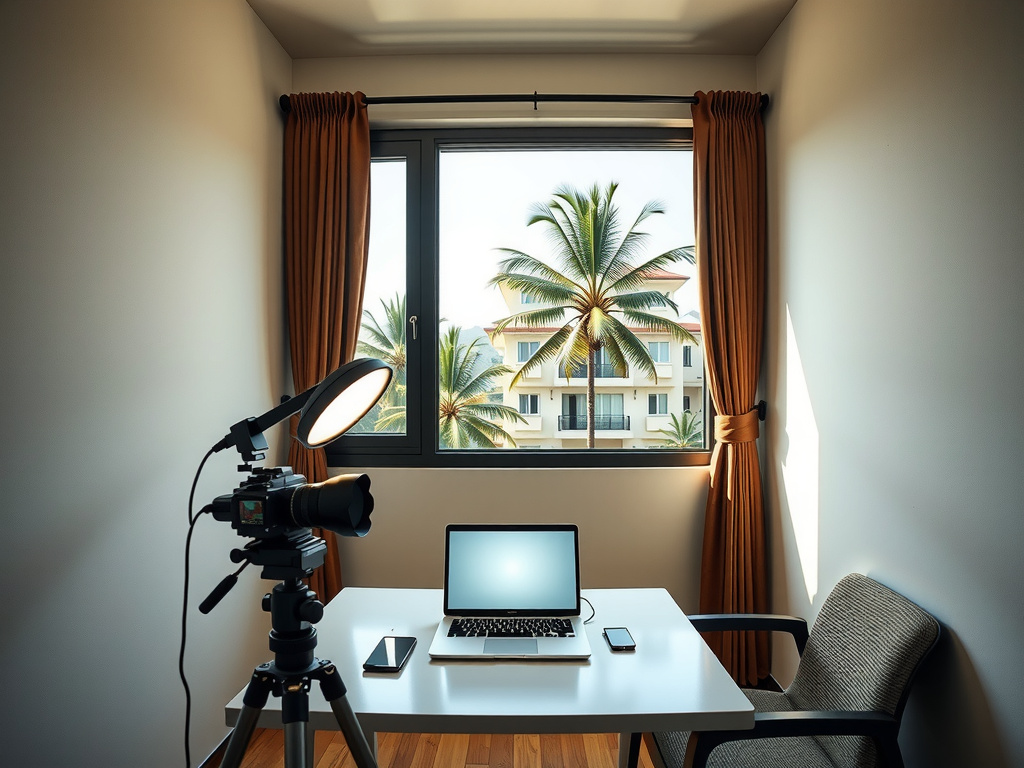
This is what the whole 'location independence' crowd doesn't really talk about: some people genuinely prefer stability. They like their curated setup. Their extensive toy collection. That professional lighting that took literal months to dial in perfectly. The camera angles they know work every single time.
Minimalist travel means sacrificing production quality. You're working with one or two toys instead of your full arsenal. Portable ring light instead of your professional softbox setup. Constantly adapting instead of perfecting.
For some models? That trade-off is liberating. For others? Complete dealbreaker.
The WiFi Problem Is Make-or-Break (And Hotels Are Useless)
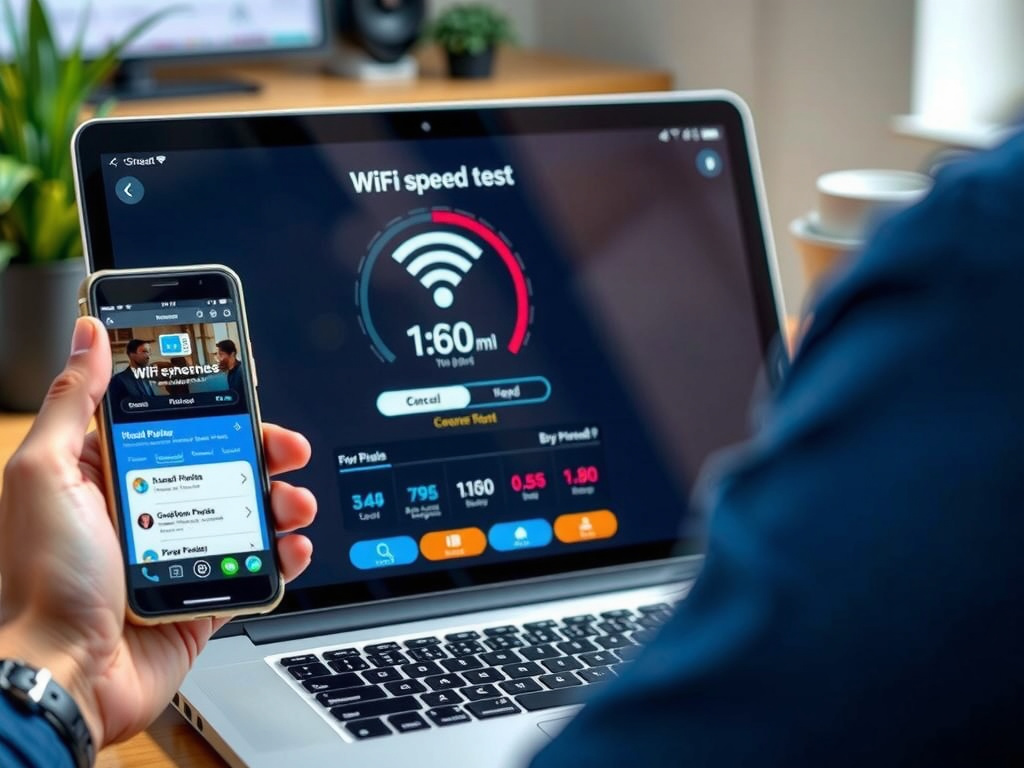
If you're going to travel and cam, WiFi quality is non-negotiable. This is where most casual travel attempts completely fall apart.
Hotel WiFi is universally terrible for live streaming. Multiple models confirmed this. One wrote: 'The times I've tried going live using hotel WiFi, it was terrible and freezing.'
Airbnbs? Hit-or-miss. Some have excellent internet. Some have connections that can't handle a basic Zoom call, let alone HD video streaming.
Successful traveling models don't gamble on this stuff. They check accommodation reviews specifically for WiFi mentions. Message hosts directly to ask about upload speeds. Avoid hotels entirely and look for 'entire place' Airbnb rentals or private hostel rooms with solid connectivity.
One model who's been traveling and camming since 2021 shared: 'I've been traveling throughout South America and it has saved me from homelessness. I love that we are able to do this. I feel so grateful.'
But even she acknowledged the challenges. Internet reliability can literally make or break your income for the entire week.
The Timezone Challenge Nobody Warns You About
Sure, you can stream from Bali. But if your audience is primarily in North America? You're working at 3am local time.
One traveling model mentioned this as 'the only downside so far work-wise' - dealing with weird time zone differences. If you're 12 hours ahead of your primary market, you're either sacrificing sleep or rebuilding your entire audience from scratch.
Some models solve this by choosing destinations with better timezone overlap - Portugal instead of Thailand, Mexico instead of Vietnam. Others just accept the odd hours as part of the lifestyle.
But worth noting: this isn't the 'wake up whenever you want' freedom that the digital nomad fantasy sells. You're still on a schedule. It's just that your schedule might have you logging on at 2am while everyone else in your time zone is asleep.
The Legal Gray Area (And Why Models Use the 'I'm a Blogger' Cover)
Here's the uncomfortable truth that came up repeatedly in the thread: sex work is illegal in many of the most popular and affordable travel destinations.
Vietnam, Thailand, Malaysia - all have laws against sex work. Technically speaking, camming from these countries puts you at risk.
One model who'd been traveling through Asia for over a year addressed this head-on: 'I was in Malaysia which is very conservative and Islamic. But I never had an issue. One or two dildos in your checked luggage - no one ever bats an eye. They're more worried about people bringing in drugs.'
The consensus among traveling models: enforcement is focused on in-person sex work, not digital work. Use a VPN if needed. Keep a low profile. Tell TSA and hosts you're a YouTuber or blogger if they ask about your lights and cameras.
One model explained her strategy: 'I also have a safe-for-work YouTube, so that explains all my lighting and cameras. Toys and outfits are bedroom things as far as I'm concerned.'
Another confirmed: 'Airport security rarely questions sex toys in checked luggage. I've bought new Lovense toys in Thailand, India, and Vietnam with no issues.'
But not everyone is comfortable operating in this gray area. And that's a completely valid reason to stay home.
The Loneliness Factor: You Can't Tell Anyone What You Actually Do
Solo travel is already isolating. Solo travel while hiding your profession? Even worse.
One model wrote: 'I agree with you. I often wish I had a cam girl travel buddy. I do solo travel which is nice but I don't like telling people what I do at this stage in my life.'
Another replied: 'Having a cam girl travel buddy would actually be fun because then I wouldn't have to hide that this is my actual job.'
The original poster added: 'I always have to speak in code or lie around other digital nomads and solo travel gets lonely sometimes.'
This is the invisible cost of the lifestyle. You meet other travelers, other remote workers, people who genuinely want to connect - and you can't be fully honest about your work. You're performing a second layer of discretion on top of your already-private job.
For models who value community and authenticity, this isolation hits hard.
What Successful Traveling Models Actually Do
For the models who make travel work, here's what their setup actually looks like:
Keep it minimal: One black dildo, one white dildo, Lovense, vibrating wand, laptop, portable ring light. Everything fits in a backpack. One model wrote: 'I pack everything in my laptop backpack. No issues traveling with my stuff.'
Rent by the month, not the night: They're not bouncing between hostels every few days. They're settling into month-long Airbnb rentals or studio apartments with proper WiFi and privacy.
Treat it like work, not vacation: One model put it straight: 'Don't treat travel as vacation - maintain normal work schedule and budget like you would at home.' Another said: 'It's your life, so you have your working hours, days off, and free time. Spend like you would on a normal holiday or be lavish and it won't be sustainable.'
Build emergency savings: Before going nomadic, save enough for a last-minute flight home. Medical emergency, family crisis, platform ban - you need to be able to get back quickly if something goes sideways.
Start with trial runs: Don't immediately sell everything and fly to Thailand. Try a 2-4 week trip to Mexico or Portugal first. Test whether you actually like working from different locations before fully committing.
Choose destinations strategically: One model laid out her approach: 'Pick destinations based on timezone overlap with your primary audience. Start with nearby destinations or countries with strong digital nomad infrastructure - Portugal, Mexico, Colombia - before attempting Asia or Africa.' Learn more about income optimization strategies in related business strategy articles.
The Models Who Tried It and Came Back Home
Not everyone who tries the nomad lifestyle sticks with it. And their reasons? Pretty instructive.
One model who traveled nomadically for years wrote: 'I've traveled nomadically as a camgirl for years. It does have benefits and drawbacks. I really appreciate having a dedicated workspace at home now, just for the ease of knowing my WiFi and lighting are good, I won't be interrupted, I have a big stash of toys and outfits.'
Another said: 'Each time I've traveled I barely end up getting online because I want to go exploring and adventuring instead.'
This is the work-life separation problem: when you're somewhere exciting, you want to be out experiencing it, not stuck in your room on cam. But if you don't work, you don't earn. That tension between exploration and income gets exhausting.
One model summed it up: 'For me, it's more comfortable at home. The camera angles are how I like them, and the lighting is already how I like it.'
Sometimes the freedom to travel is less valuable than the freedom to stay put.
The Real Question: What Do You Actually Want?
The traveling models aren't wrong. The financial advantages are legit. The freedom is real. Getting to experience different cultures is genuinely valuable.
One model described her travels through Greece, Sardinia, Ibiza, Venice, Thailand, and Marbella: 'Best time of my life, and if anyone ever asks if I regret camming, I'd say no, as I'd not have had the opportunity to travel otherwise.' Discover more perspectives on cam model mental health and work-life balance.
Another wrote: 'I've been traveling and camming out of Airbnbs since 2021. I've tried multiple times to rent a place long-term but it never works out. I'm currently traveling throughout South America and it has saved me from homelessness. I love that we are able to do this.'
But the homebodies aren't wrong either. Stability has real value. Familiarity reduces stress. A curated workspace you've spent years perfecting is worth something.
The real question isn't 'why don't more cam models travel?' It's: what kind of life do you actually want?
Do you want to wake up in a different country every few months, working minimal hours to cover low expenses, exploring new cultures with the time and money you save?
Or do you want to build a home base you genuinely love, invest in professional equipment, develop a consistent routine, and have pets and relationships that require you to stay in one place?
Both are valid. Both are successful cam model lifestyles. Both involve trade-offs.
The traveling models sacrifice production quality, workspace consistency, and easy social connection for financial efficiency and geographic freedom.
The homebodies sacrifice potential cost savings and travel experiences for workspace optimization, emotional stability, and community connection.
Neither choice is objectively better. The only real mistake is choosing based on what you think you're supposed to want instead of what you actually want.
One traveling model put it this way: 'I'm a huge advocate for freedom and traveling. Maybe because I'm from a small southern town. You should do it too - life is too short to be sitting unhappy. Find your happiness wherever it may be.'
And a homebody model countered: 'I'm a total homebody. I live alone, love my house, and legitimately enjoy my life the way it is. Travel isn't a hobby of mine. I'd rather save my money and read a book or do some art in my free time.'
Both found their happiness. Just in very different places.
The beauty of camming isn't that it forces you to travel. It's that it gives you the option - and the equal option to stay exactly where you are.