Why Your Lighting Setup Determines Which Customers Show Up: How Professional Production Value Filters Cheapskates and Attracts High Tippers
Your lighting setup does more than make you look good. It filters which customers talk to you. The difference in customer quality? Brutal.
On January 13, 2026, a cam model posted something in r/CamGirlProblems that made everyone stop scrolling. She'd dealt with eye strain from her professional lights, so she switched to a more comfortable "girl next door vibe"—just a small lamp and monitor glow. What happened? "I'm encountering 10x more cheapskates and timewasters!!" she wrote.
Same model. Same room. Same personality. Drastically different customer behavior based on lighting quality alone. And within hours, dozens of other models confirmed they'd seen exactly the same thing.
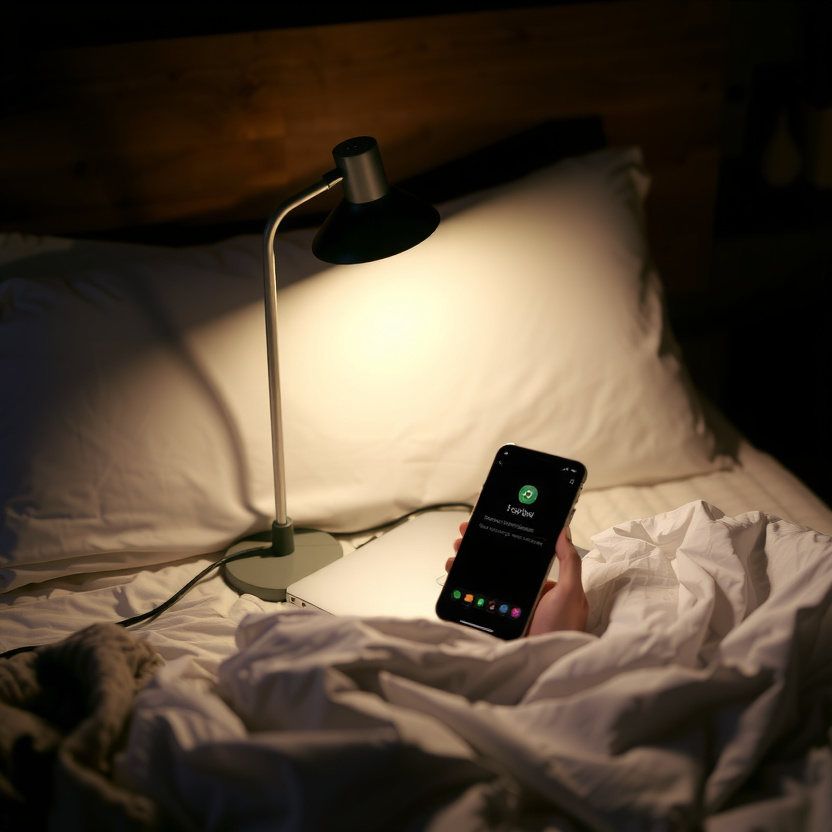
Your lighting setup does far more than make you look better. It communicates your worth. It sets psychological price anchors. It determines which segment of customers finds you in the first place.
Let's talk about why production value matters more than almost any other decision you'll make.
The Pattern: Professional Lighting Attracts Spenders, Amateur Lighting Attracts Cheapskates
The model who posted about this pattern described her experience in detail:
"When i first started streaming (no pro lighting, very amateur looking) I dealt with a ton of cheapskates. Like hagglers, people tipping 5 tkns then asking me to spread my cheeks, etc… Then I got a very good lighting setup and didn't deal with that many cheapskates for a while."
When she upgraded to professional lighting, the cheapskate behavior disappeared. Her customer base transformed. Not because she changed her personality or performance. Her production value communicated different expectations.
Then she downgraded for comfort. Eye strain from the bright lights was killing her, so she switched to minimal lighting—just a lamp and monitor. The cheapskates flooded back.
"Today i had some guy tip 3 tokens (one by one) then he said 'pm me, there's more where that came from😉'"
This is what increases with amateur lighting. Micro-tips followed by promises. Hagglers trying to negotiate prices. Users demanding sexual acts for pennies.
Other Models Confirm: Bright, Well-Illuminated Lighting Increases Traffic, Tips, and Privates
This wasn't one isolated case. Model after model confirmed the same thing in the thread:
"Yes I've experienced the same! I used to stream with dim moody lighting. I did ok, but attracted plenty of time wasters. Ever since I changed my lighting to very bright and well illuminated, my traffic has increased a ton, I get bigger tips, more privates, etc."
Notice what changed. Not just tip size. Traffic volume and private show frequency. Professional lighting doesn't just make existing customers pay more. It changes which customers find you at all.
Another model talked about the trade-off between comfort and income:
"I hate the lights, makes me super tired 😫 but u are right ... it s better with them . I m more beautiful and my skin glow..."
This is the uncomfortable reality we all face. Professional lighting causes physical exhaustion and eye strain. But the income cost of downgrading is way higher than the comfort benefit.
The Psychology: Production Value Sets Price Anchors
One model in the thread explained the core psychology:
"In this industry, as in most all human endeavor, people will pay what they think you're worth; the better (more expensive) your presentation looks, the more they'll pay."
This isn't about visual appeal alone. It's about psychological pricing.
When viewers see professional production value—crisp lighting, clear image quality, polished presentation—they calibrate their tipping behavior upward without thinking about it. The visual presentation sets an expectation of professionalism, which translates to higher prices and more respectful behavior.
Amateur lighting signals to bargain-hunters that you might be desperate, inexperienced, or willing to accept minimal pay. It attracts the segment of customers who look for models they can haggle with or manipulate.
Your lighting isn't just making you visible. It broadcasts a message about your standards, your experience level, and what viewers can expect to pay.
The Sweet Spot: Between Too Amateur and Too Professional
This is where it gets nuanced. One model identified a challenge:
"I feel like there's this fine line, right in the middle, between you're so low rent in just gonna give you pennies and come on super fancy pro porn star do your job and show me something. It's exhausting finding that spot and using it."
This is real. There's a psychological sweet spot you're aiming for. Too amateur? You attract cheapskates who think you'll do anything for pennies. Too polished and professional? You might seem unattainable or overly commercial. Viewers feel like they're watching a porn production rather than connecting with a real person.
The goal is professional production quality that still feels authentic and approachable. You want viewers to see:
- High-quality lighting that makes your skin glow and creates flattering shadows
- Clear image quality that shows you've invested in your setup
- Thoughtful framing and composition
- BUT... a setting that still feels like a real person's space, not a studio set
Think professional-quality girl-next-door, not amateur webcam or corporate porn production. How lighting and camera angles affect viewer psychology—understanding this helps you strike the balance.
Vibe vs. Production Value: They're Not the Same Thing
One critical distinction came up in the discussion:
"'Vibe' is not the same thing as production value, f'sure."
This is crucial. You can create a "girl next door vibe" or approachable aesthetic and still maintain professional production quality.
Girl-next-door vibe = your personality, your styling, your room decor, your interaction style
Production value = technical quality of lighting, camera, image clarity, audio
You can wear a casual t-shirt in your actual bedroom and still have professional lighting that makes your skin glow. You can be relatable and authentic and maintain technical standards that communicate you're a professional who knows her worth.
Don't confuse aesthetic choices with production quality. They solve different problems.
The Comfort vs. Income Calculation
Let's be honest about the trade-off everyone faces. Professional lighting is physically uncomfortable.
Eye strain. Fatigue. Heat from the lights during long sessions. The exhaustion of sitting under bright lights for hours.
The model who posted about 10x more cheapskates was dealing with real eye strain. She wasn't being dramatic or lazy. She was trying to create a sustainable work environment that wouldn't damage her vision.
But the brutal math: the income cost of downgrading your lighting is way higher than the physical relief.
If professional lighting means you deal with customers who tip $50-100 instead of $3-5, that's not a small difference. Over a month of streaming, that could be the difference between making rent comfortably and scraping by and dealing with constant harassment from cheapskates.
Instead of downgrading your entire setup, try these adjustments:
- Install dimmers on your professional lights so you can adjust intensity during sessions
- Take scheduled 10-minute breaks every hour to rest your eyes away from the lights
- Use blue light blocking glasses during non-streaming hours to cut down on eye strain
- Position lights at slightly different angles to cut down on direct glare
- Stream in shorter, more intense sessions rather than long marathons under the lights
These adjustments maintain your production value and address the physical discomfort. Without tanking your income by attracting cheapskates.
Your Lighting Is Customer Filtering Technology
Here's the reframe that might help. Your lighting setup isn't just equipment. It's customer filtering technology.
When you invest in professional lighting, you're not just making yourself look better. You're selecting which segment of customers will engage with you.
Professional lighting filters OUT:
- Customers who tip 3 tokens and demand explicit acts
- Hagglers who try to negotiate your menu prices
- Timewasters looking for models who seem desperate or inexperienced
- Viewers who think amateur presentation means amateur prices
Professional lighting filters IN:
- Customers who recognize quality and pay for it
- Viewers who appreciate professionalism and respect boundaries
- Spenders who calibrate their tips based on perceived value without thinking about it
- Users looking for private shows and premium experiences
This is why the same model with the same personality gets different customer behavior based on lighting alone. She's not attracting different people through her performance. She's filtering which segment finds her through her technical presentation.
Track Customer Behavior Changes When You Adjust Your Setup
Skeptical about whether lighting really makes this much difference? Test it yourself. Track the data.
For two weeks with professional lighting, track:
- Average tip size
- Number of private show requests
- How often you get haggling or negotiation attempts
- Instances of timewaster behavior (demanding requests for tiny tips)
- Hourly earnings
Then switch to minimal lighting for two weeks. Track the same metrics.
The data will tell you exactly how much customer quality connects to production value in your situation. For most models, the pattern is dramatic and consistent.
Just be prepared. Once you've seen the difference in customer behavior, it's really hard to go back to dealing with cheapskates. No matter how much more comfortable the amateur lighting might be.
What This Means for New Models Making Setup Decisions
Just starting out and deciding whether to invest in professional lighting? This pattern should shape your business strategy from day one.
Starting with amateur lighting means you'll spend your first weeks or months dealing with the worst customer segment. Cheapskates, hagglers, and timewasters who will make you question whether camming is even worth it.
That early experience shapes everything. Your confidence. Your pricing strategy. Your tolerance for boundary-pushing. Your sense of what's "normal" customer behavior.
Models who start with professional lighting set different standards from the beginning. They attract customers who expect to pay fair prices. They build confidence in their worth. They create a strategy around quality over volume.
Yes, professional lighting is an upfront cost. But it's customer filtering technology that pays for itself within weeks by attracting spenders instead of timewasters. Worried about common scams that target new cam models? Professional presentation is one of your first defenses.
The Real Question: What Are You Communicating About Your Worth?
Your lighting setup communicates something to every viewer who enters your room.
Amateur lighting says: "I'm new to this, I'm not sure what I'm doing, maybe I'm desperate enough to accept whatever you're willing to pay."
Professional lighting says: "I've invested in my business, I know my worth, I expect fair pay for my time and energy."
Customers respond to those signals right away. Often before you've said a word.
The model who saw 10x more cheapskates after downgrading her lighting wasn't imagining things. She saw the direct result of changing the message her production value sent.
So yes, professional lighting is uncomfortable. It causes eye strain and exhaustion. But it's one of the most powerful camming tips for attracting quality customers you have for attracting the customers you want to work with. And filtering out the ones who waste your time and energy for pennies.
Your lighting setup determines which customers show up. Make sure it's communicating the message you want to send.