The Collaboration Safety Paradox: Why Your Collab Partner's Privacy Practices Could Expose You (And the Red Flags You Can't Ignore)

Last week, someone in r/CamGirlProblems posted about turning down what seemed like the perfect collab. The potential partner had killer content ideas, their aesthetic matched perfectly, and they came across super professional. But there was this huge problem: Instagram stories with her real name showing, constant location tags, hints about where she lived scattered everywhere.
She asked the community: 'Am I being dramatic for turning this down?'
The responses? Unanimous. Trust your gut. Walk away. Because your privacy is only as solid as your weakest link.
The Privacy Weak Link Problem
Look, you can do everything right. Separate work phone. Fake name. No geo-tagging ever. VPN running 24/7. Face obscured. Zero identifiable stuff in your background during streams.
But then you collab with someone who's posting their Starbucks order with location tags? Someone sharing their real name publicly? Dropping breadcrumbs about where they live? You just inherited all their security holes.
One person in the thread shared: 'I was found that way more than once. And the collab wasn't even sex work related. It was a collab in our real life that she had shared with her cam followers.'
Years of careful anonymity work? Gone. If you're both in the same area and your partner's careless about location reveals, someone determined enough can triangulate straight to you.
The Financial Pressure vs. Safety Trade-Off
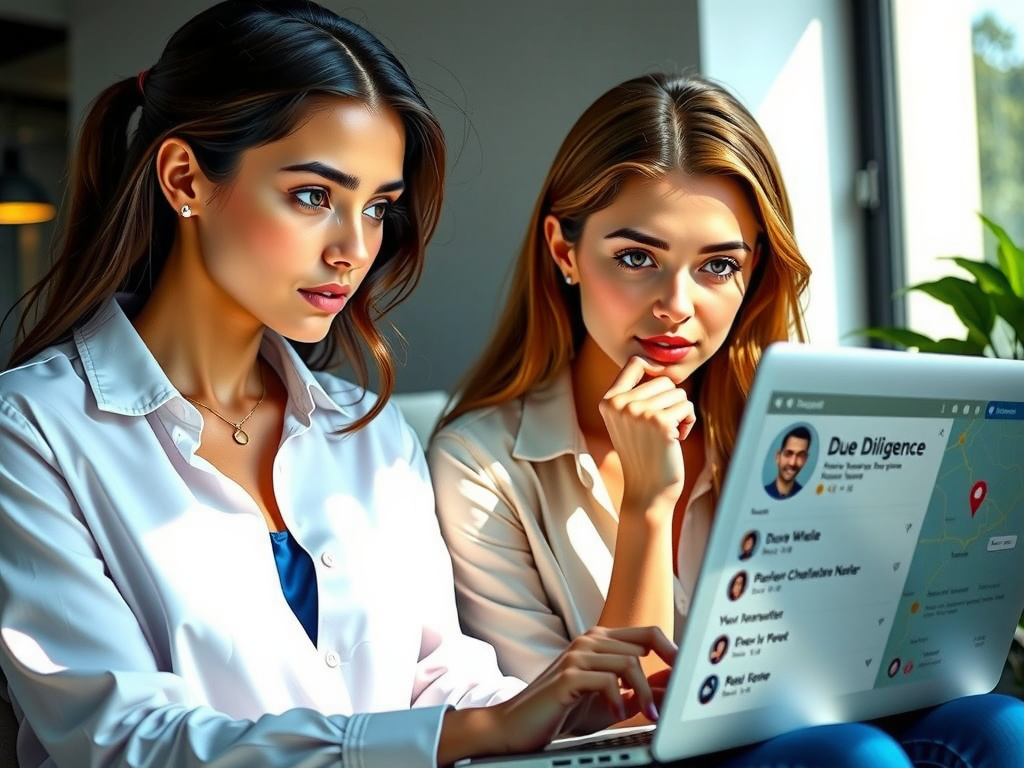
Here's the thing - collabs can be seriously lucrative. Couple content consistently crushes solo content in performance. Girl-girl stuff opens up whole new audience segments. Fresh collab content can wake up a stale fanbase real quick.
The money's real. So's the risk.
You're stuck with this brutal choice: turn down collab money and stay safe, or roll the dice that your partner's mistakes won't expose you. There's no middle ground here - you're either protected or you're not.
The models who prioritize privacy? They often feel isolated. Watching other creators collab freely while you're saying no over and over. It gets lonely being the 'paranoid' one who won't take risks.
But the community made this crystal clear: You're not paranoid. You're smart. Missing out on potential collab income beats getting doxxed every single time.
The Red Flags You Can't Ignore
Before agreeing to any collab, audit their entire digital footprint. Here's what to watch for:
Real Name Usage
Check if their real name shows up anywhere public - social media profiles, payment apps that display names, tagged photos from friends or family, shipping addresses visible in unboxing videos, legal names in business registrations they've posted about.
If they're using their real name openly? They fundamentally don't get OPSEC. That's not someone you can safely work with if you're hiding your identity.
Location Reveals
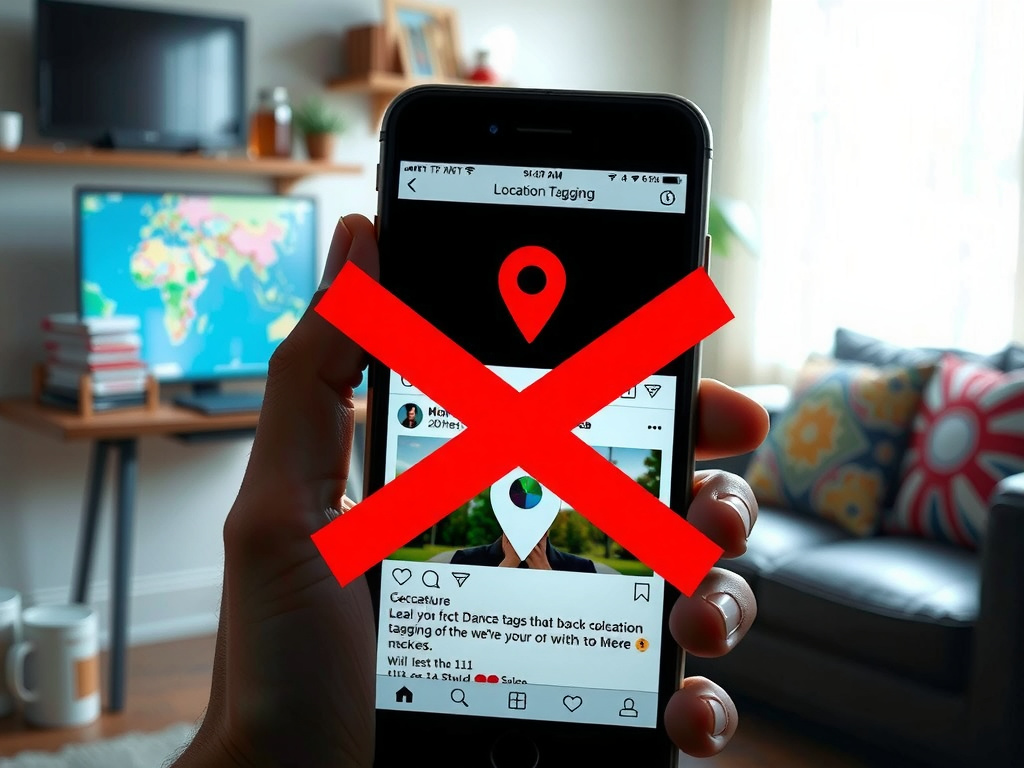
This is the most dangerous red flag. Look for geo-tagged Instagram or TikTok posts, recognizable landmarks in photos or videos, local business tags or check-ins, mentions of specific neighborhoods or cities, photos showing street signs or building numbers, stories that reveal routine spots like their gym or coffee shop.
If you're both in the same area, this gets exponentially riskier. A viewer who figures out your partner lives in Austin can start narrowing down your location too once they know you collab together.
Digital Security Sloppiness
Pay attention to how they handle sensitive stuff. Same email for work and personal? Weak passwords visible in screenshots? Ever had content leaked or accounts hacked? Sharing explicit material casually in DMs without encryption?
When you create explicit content together, you're trusting them to keep that material secure. If things go south between you, would they respect your privacy? Or would they be careless enough to let it leak?
How They Talk About Others
Watch how they discuss other collaborators or models in the industry. Do they gossip about personal details? Share private information about others? Disrespect boundaries when talking about past partners?
How someone treats other people's privacy is exactly how they'll treat yours.
The Vetting Framework: Questions to Ask Before You Commit
Don't assume someone gets privacy just because they're in the industry. Have explicit conversations before you create anything together.
Ask these questions directly:
- Do you use your real name anywhere online, including payment apps or personal social media?
- How do you handle geo-tagging on social media? Do you ever tag your location?
- What's your OPSEC protocol? How do you keep work and personal life separate?
- Have you ever had content leaked or accounts compromised? How did that happen?
- How will we handle storage and sharing of the content we create together?
- What happens to our collab content if we have a disagreement or stop working together?
- Are you comfortable signing a privacy agreement before we start?
If they get defensive about these questions or act like you're being 'too paranoid'? That tells you everything you need to know. Walk away.
Get It in Writing
Before creating any content together, establish privacy agreements in writing. This doesn't need to be some formal legal contract, but it should cover:
- How content will be stored and who has access
- Whether either party can share behind-the-scenes material
- What happens to content if the collaboration ends
- Agreement not to reveal personal information about each other
- How you'll handle location privacy if you're shooting together in person
Having this conversation upfront filters out people who aren't serious about privacy. If they won't agree to basic security practices, you just dodged a massive bullet.

When to Walk Away
Trust your gut. If someone's privacy practices make you uncomfortable, that's a valid reason to decline - even if the financial opportunity looks incredible.
Walk away if they:
- Use their real name publicly
- Regularly geo-tag their location
- Share identifiable landmarks or locations in content
- Have a history of leaked content or security breaches
- Get defensive when you ask about privacy protocols
- Won't sign a basic privacy agreement
- Gossip about other collaborators' personal details
- Don't understand why OPSEC matters
You're not being 'too picky' or 'too paranoid.' You're protecting years of careful work building a privacy barrier between your work and personal life.
The Loneliness of Being the Careful One
One of the hardest parts of maintaining strict privacy standards? The isolation. You watch other models collab freely, build creator friendships, shoot content together, grow their audiences through partnerships.
Meanwhile, you're turning down opportunities because potential partners don't meet your security standards. You start questioning yourself. Am I being ridiculous? Should I just relax and take the risk? Everyone else seems fine.
But here's the truth the r/CamGirlProblems community reinforced: The models who seem 'fine' being careless about privacy? They just haven't been burned yet. You don't hear about them until they're posting asking for help after getting doxxed.
Your caution isn't paranoia. It's intelligence.
Finding Privacy-Conscious Collaborators
The good news? There are other models who take privacy as seriously as you do. They're just harder to find because - you guessed it - they're not posting their location on Instagram every day.
Look for models who:
- Consistently use stage names across all platforms
- Never geo-tag or reveal location details
- Use generic backgrounds without identifiable features
- Talk openly about OPSEC and security practices
- Respect other models' boundaries and privacy
- Have been in the industry for a while without security incidents
When you find someone who matches your privacy standards, that's worth way more than finding someone with a million followers who posts their Starbucks location daily. For more on this, check out our guide on why every cam model needs a dedicated work phone - it covers the foundational OPSEC practices that collaborators should understand.
The Bottom Line
Your privacy is only as strong as your weakest link. When you collaborate with someone, you're linking your security to theirs. If they're careless with their real name, location, or personal information, that carelessness can expose you too.
It's okay to have high standards. It's okay to turn down collab opportunities that feel risky. It's okay to be the 'paranoid' one who asks detailed security questions before agreeing to work together.
Missing out on potential income is infinitely better than getting doxxed. You can always find another collab opportunity. You can't undo a privacy breach. If you want more perspective, read about the couple cam advantage and relationship costs - another form of collaboration with its own unique risks.
Set a higher bar for collab partners than you would for casual industry acquaintances. These are people who'll have access to explicit material of you, know details about your work setup, and potentially meet you in person.
If their privacy practices make you uncomfortable, trust that instinct. Your gut knows when something isn't right.
And remember what the community confirmed: You're not being dramatic. You're being smart.