
The Benefits Trap: Why Models Making $80k Still Feel Broke (And the Healthcare, Retirement, and Financial Planning Guide Your 9-5 Never Taught You)

Three months ago, you quit your 9-5. Now you're pulling in $6,000 a month camming-literally double what you made before. Your bank account? It's never looked better.
But here's the weird part: you're waking up at 3am in cold sweats thinking about what happens if you break your arm. Every sniffle feels like a financial emergency. And taking even one day off? The guilt is crushing.
That's because you didn't just quit a job-you walked away from a benefits package worth somewhere between $15,000 and $20,000 a year. The kind of package you never really thought about until it vanished.
The Healthcare Sticker Shock Nobody Warns You About
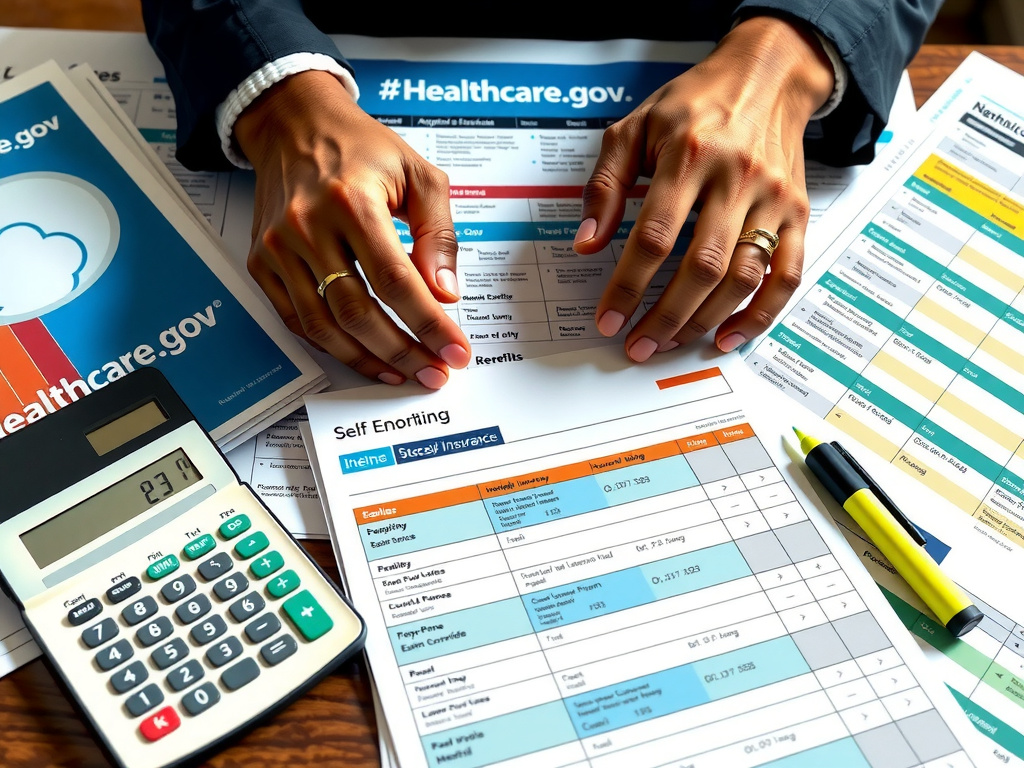
I saw this on Reddit the other day and it hit hard: "I was paying $47 per paycheck for amazing health insurance at my corporate job. Now I'm staring at $450/month for a plan with a $6,000 deductible on healthcare.gov. I feel trapped."
The marketplace plans aren't just expensive-they're designed by people who assume you already know that your old employer was quietly covering 70-80% of your premium. Now? You're paying the whole thing yourself.
Here's what actually works:
- Open enrollment runs from November 1 to January 15. Miss that window and you're uninsured for a year-unless you qualify for special enrollment, which is basically your get-out-of-jail card.
- Losing employer coverage actually counts as qualifying for special enrollment. You get 60 days from your last day of coverage to sign up.
- Making under $60k a year? You probably qualify for subsidies that'll actually make this affordable. The subsidy calculator on healthcare.gov shows you the real cost before you commit to anything.
- Bronze plans look cheap but hit you with massive deductibles. Silver plans usually give you the best bang for your buck with subsidies. Gold plans? Those make sense if you're dealing with prescriptions or ongoing medical stuff.
- Don't sleep on Planned Parenthood and free clinics. They can fill in the gaps for routine care, STI testing, and birth control when your plan's deductible makes you want to cry.
Here's the brutal truth nobody wants to say out loud: you need to factor healthcare into your "should I quit my job" math. If you were making $45k with benefits, you actually need to clear $60k+ camming just to stay even.
The Quarterly Tax Disaster That Costs Models Thousands
Reddit is absolutely full of models who got completely blindsided by IRS penalties-we're talking anywhere from $300 to over $2,000-because literally nobody mentioned quarterly tax payments.
Here's the system that'll save you from that nightmare:
The 30% Rule:
The second money hits your account-doesn't matter if it's from Chaturbate, OnlyFans, or a private Skype show-you move 30% into a separate high-yield savings account. This covers federal income tax (somewhere around 15-22%), self-employment tax (15.3%), and gives you a buffer for state taxes if you're in one of those states.
One model shared her exact system with me: "I have four separate accounts. Chaturbate goes straight to my tax account. OnlyFans covers rent. Streamate funds my investments. SextPanther is my emergency cushion. I never, ever touch the tax money."
Quarterly payment deadlines:
- Q1: April 15 (covers January-March)
- Q2: June 15 (covers April-May)
- Q3: September 15 (covers June-August)
- Q4: January 15 (covers September-December)
Set calendar reminders for these dates. Pay online at irs.gov/payments using Form 1040-ES. And here's a little relief: if you earned under $1,000 in a quarter, you can actually skip that payment.
The confusion in cam communities comes from how penalties actually work. If you owe less than $1,000 at tax time, the IRS doesn't penalize you for skipping quarterly payments. But owe $5,000? Yeah, that penalty's gonna hurt.
The Retirement Account You've Never Heard Of (That Could Save You $20k in Taxes)
Your old job probably had a 401k with maybe 3-6% employer matching. That was literally free money-and it's gone now.
If you're pulling in $50k+, you need to know about the Solo 401k (sometimes called an Individual 401k). Think of it like a regular 401k, except you're both the employee and the employer-which means you can contribute way more than you ever could before.
The numbers:
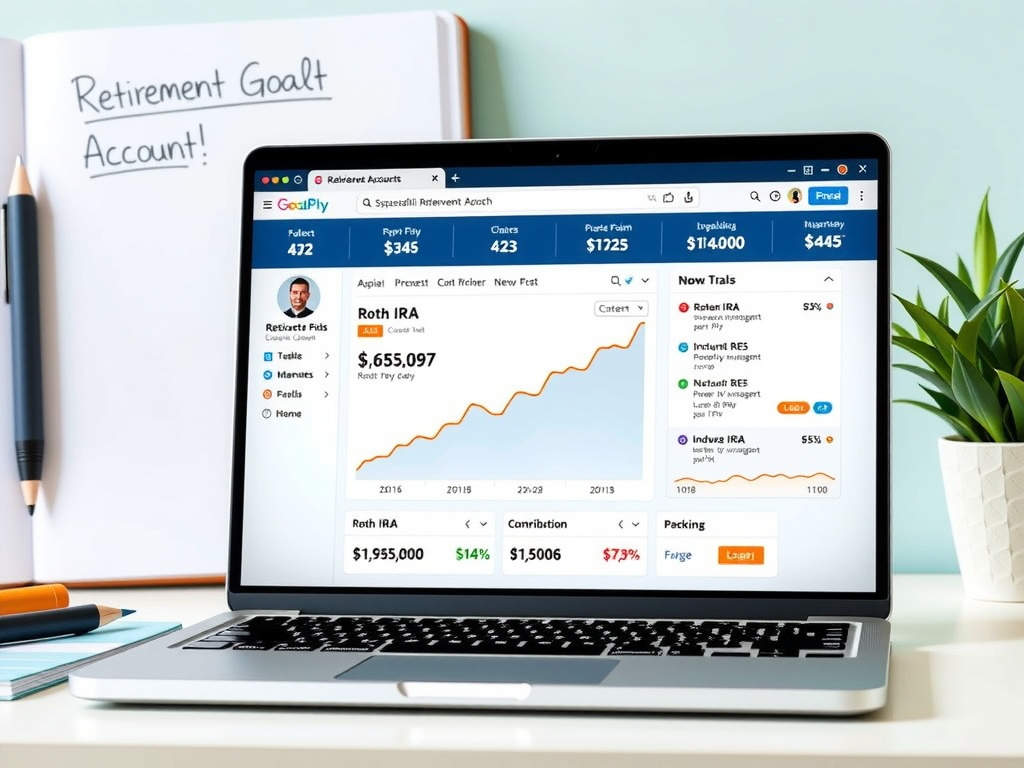
- Roth IRA: $7,000/year maximum (this is where you start-contributions are after-tax but they grow completely tax-free)
- Solo 401k: Up to $69,000/year (2024 limits). You contribute as employee (max $23,000) plus as employer (up to 25% of net self-employment income)
- SEP IRA: Simpler setup than Solo 401k, lets you put in up to 25% of net earnings (max $69,000). Better if you're making good money and want something easy.
Most models I talk to start with a Roth IRA because it's straightforward. You can open one at Vanguard, Fidelity, or Charles Schwab in under 20 minutes. Max that thing out every year before you even think about other investments.
But here's the psychological benefit that's huge: one model told me, "Once I set up automatic $583/month transfers to my Roth IRA, I stopped feeling like camming was just temporary. I was building something real."
Finding a Financial Advisor Who Won't Judge You (And Why You Need One)
The biggest mistake I see models make? Trying to DIY their entire financial planning because they're terrified of being judged.
One model who finally took the plunge shared this: "I went from $7k in debt to $20k in mutual funds, completely debt-free with a Roth IRA. My advisor knew about my sugar daddy income, my camming income, everything. He didn't care. He just wanted to help me build wealth."
Here's the vetting process that actually works:
Send this email to 5-10 financial advisors:
"Hi [Name], I'm looking for a financial advisor to help with retirement planning and tax strategy. I work as an independent contractor in adult content creation (similar to OnlyFans). My income is variable but I'm earning $[X] annually. If this seems like a fit for your practice, I'd love to schedule a consultation. If not, I appreciate any referrals to advisors who work with clients in the adult industry."
This email does three things:
- Filters out judgmental advisors immediately (they just won't respond)
- Shows you're professional and serious about your financial future
- Gives them a polite out if they're not comfortable-no awkward in-person rejection
Multiple models report way better experiences with younger advisors (30s-ish), progressive firms, and advisors in cities with large adult entertainment industries. Think Las Vegas, Los Angeles, Miami, Portland.
What to discuss in your first meeting:
- Tax strategy (quarterly payments, business deductions, writing off equipment/props/costumes/internet)
- Retirement accounts (Roth IRA vs Solo 401k vs SEP IRA)
- Emergency fund target (6-12 months expenses, not 3-6 like salaried workers)
- Investment strategy for irregular income
- Disability insurance (what happens if you can't work?)
And look-don't dance around it with vague terms like "content creator" or "social media influencer" once you're in the room. Your advisor needs the real picture: inconsistent income, zero employer benefits, potential discrimination when you're trying to get a mortgage or loan.
The Accounts System That Prevents Financial Chaos
Every model I know who actually feels financially stable-despite making irregular income-uses some version of this system:
Account 1: Tax Holding Account (HYSA)
- 30% of every payment goes here immediately
- Never touch this money except for quarterly tax payments
- Use a high-yield savings account (currently 4-5% APY) so it's actually growing while it waits
Account 2: Business Checking
- All platform payments deposit here first
- Pay business expenses from this account (equipment, props, subscriptions)
- Simplifies tax tracking-all business income and expenses in one place
Account 3: Personal Checking/Savings
- Pay yourself a "salary" from business checking to this account
- Cover rent, groceries, personal expenses
- Keeps personal and business finances separate (crucial for taxes)
Account 4: Emergency Fund (HYSA)
- Target: 6-12 months of expenses (yeah, more than the typical 3-6 for salaried workers)
- Build this before you go crazy with investing
- This covers slow months, site outages, burnout recovery
Account 5: Retirement/Investment
- Roth IRA contributions (automatic monthly transfers)
- Brokerage account for additional investing
- Consider CD laddering for guaranteed returns
I know this sounds complicated at first. But honestly? It eliminates the financial anxiety that comes with irregular income. You always know exactly where your money is and what it's for.
The Benefits You're Still Missing (And Whether You Actually Need Them)
Beyond healthcare and retirement, traditional jobs offer a bunch of other benefits that models need to figure out how to replace:
Disability Insurance: What happens if you break your arm and can't type? Or develop carpal tunnel from hours of toy control? Short-term and long-term disability insurance exists for self-employed workers, but it's expensive-$100-300/month depending on coverage.
The workaround: Build that 12-month emergency fund. It basically functions as self-funded disability insurance.
Life Insurance: If you have dependents or co-signed debts, term life insurance is actually pretty affordable-$20-50/month for healthy young adults. If you're single with no dependents? Skip it.
Paid Time Off: This is psychological torture for self-employed models. Every single day off feels like you're just hemorrhaging money.
The mindset shift: Factor 2-4 weeks of non-working time into your annual income target. If you need $60k to live comfortably, aim to earn $70k so you can actually take vacation without the guilt eating you alive.

When the Numbers Say Stay (And When They Say Quit)
Here's the full-time leap calculator that models actually use when they're trying to figure this out:
Your old salary: $45,000
Add:
- Healthcare premium difference: +$4,000/year
- Lost 401k match (assume 4% match): +$1,800/year
- Self-employment tax (employer half you now pay): +$3,400/year
- Paid vacation value (2 weeks): +$1,730/year
Your camming income needs to be: $55,930+
And that's literally just to break even. For the leap to actually feel worth it, most models I talk to say you need to be clearing 50-75% more than your old salary.
The safer path: Stay part-time until you're consistently earning 2x your target for 6+ months. Build that emergency fund first. Don't rush this.
The Anxiety You Can't Calculate
The hardest part of self-employment isn't the money. It's the mental load.
Models describe the same exact feeling over and over: guilt when you're not working, anxiety about every dollar you spend, this constant fear that the income could just disappear tomorrow. One model making $80k told me: "I feel broke even though I have $15k in savings. I never felt this way making $40k with a salary."
The psychological tools that actually help:
- Track your "average monthly income" over 12 months. This number is way more stable than you think, and it helps combat that "one bad week = financial disaster" panic.
- Set a monthly income floor. If you hit $5k by the 20th, you can actually relax the rest of the month without guilt.
- Automate everything. Automatic transfers to tax, retirement, and savings accounts happen whether you're anxious or not.
- Work with a therapist familiar with self-employment anxiety. Some platforms like SextPanther even offer free therapy sessions through Sunshine Wellness.
The financial planning, accounts, and systems I've laid out solve the practical problems. But the emotional adjustment to self-employment? That's real and it's valid.
The Part Nobody Tells You
After the anxiety, the quarterly tax payments, the HYSA optimization, and the financial advisor meetings-there's this:
Building your own benefits package is empowering in a way employer benefits never were.
You're not sitting around waiting for a 3% raise. You're not stuck with whatever healthcare plan your employer picked. You're not limited to their mediocre 401k fund options. You're building wealth on your own terms.
One model who's been full-time for five years put it this way: "I don't have employer benefits anymore. I have something better-I have financial systems that work regardless of who's paying me or what platform I'm on. I'm not dependent on a single employer to take care of me. I'm taking care of myself."
The benefits trap is real. But once you build your own safety net, you're not trapped anymore. You're free.