The AI Image Generation Revolution: How Cam Models Are Using Flux, Midjourney & Stable Diffusion to Create Custom Content (And Why Some Platforms Are Banning It)
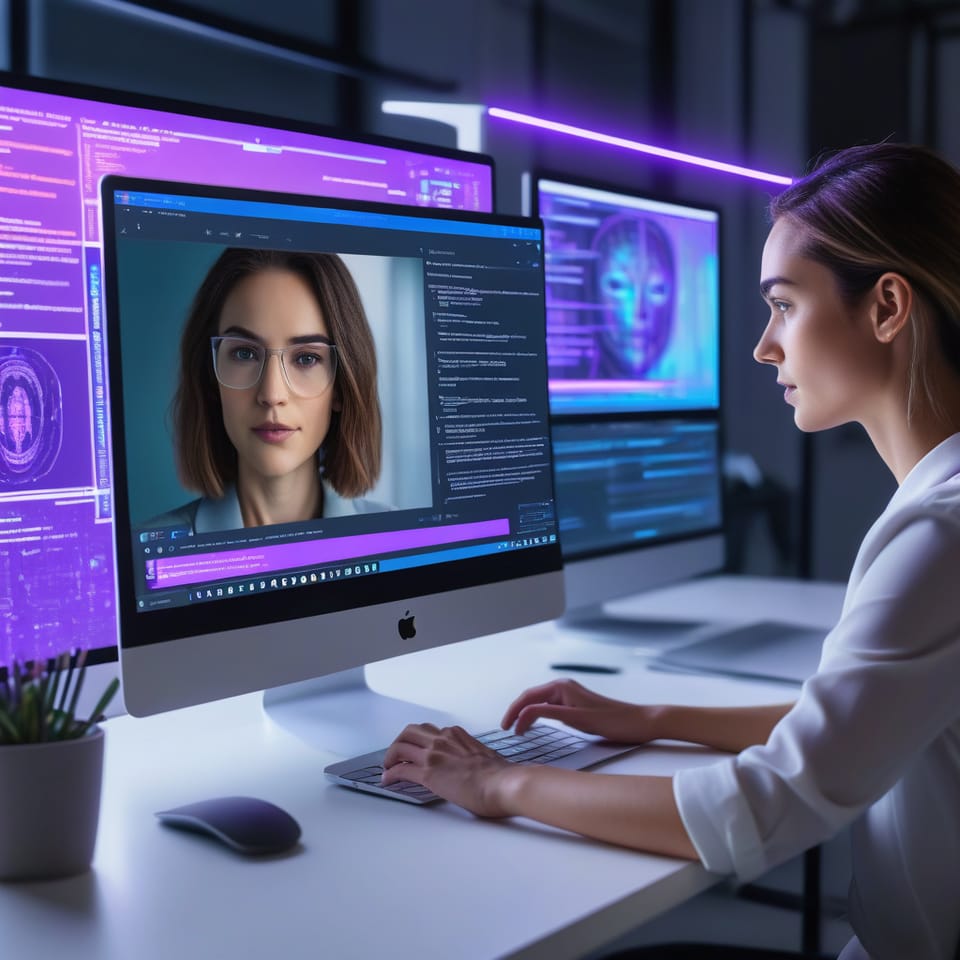
Last month, a Chaturbate model made $2,400 from 'custom photo sets' she whipped up in 15 minutes using AI. Two weeks later? Her account got flagged for policy violations. Here's everything you need to know about the AI content revolution - and why some platforms are quietly cracking down.
AI image generation tools like Flux, Stable Diffusion, and Midjourney have absolutely blown up over the past year. While tech bros argue about copyright and artists worry about their future, cam models have been quietly discovering something different: these tools can slash content creation time, handle those overwhelming custom requests, and create professional-quality promo materials for $10 a month instead of dropping $500 on a photographer.
But here's the catch - platform policies around AI content are all over the place. Some sites want disclosure, others will quietly ban your account, and most don't have clear rules at all. Models are making bank one day and losing accounts the next, often without understanding what went wrong.
This guide breaks down everything: which tools actually work for adult content, what each platform allows (or doesn't), and how to use AI without tanking your brand or getting kicked off the site.
Why Cam Models Are Turning to AI Image Generation
Once you get the pressure models face, the appeal becomes crystal clear:
Custom request overload. A regular wants 'you in a red dress holding champagne in a penthouse.' Thing is, you don't own a red dress, you've never stepped foot in a penthouse, and staging that photo would eat up hours and cost hundreds. With AI? Fifteen minutes and it's done. For free.
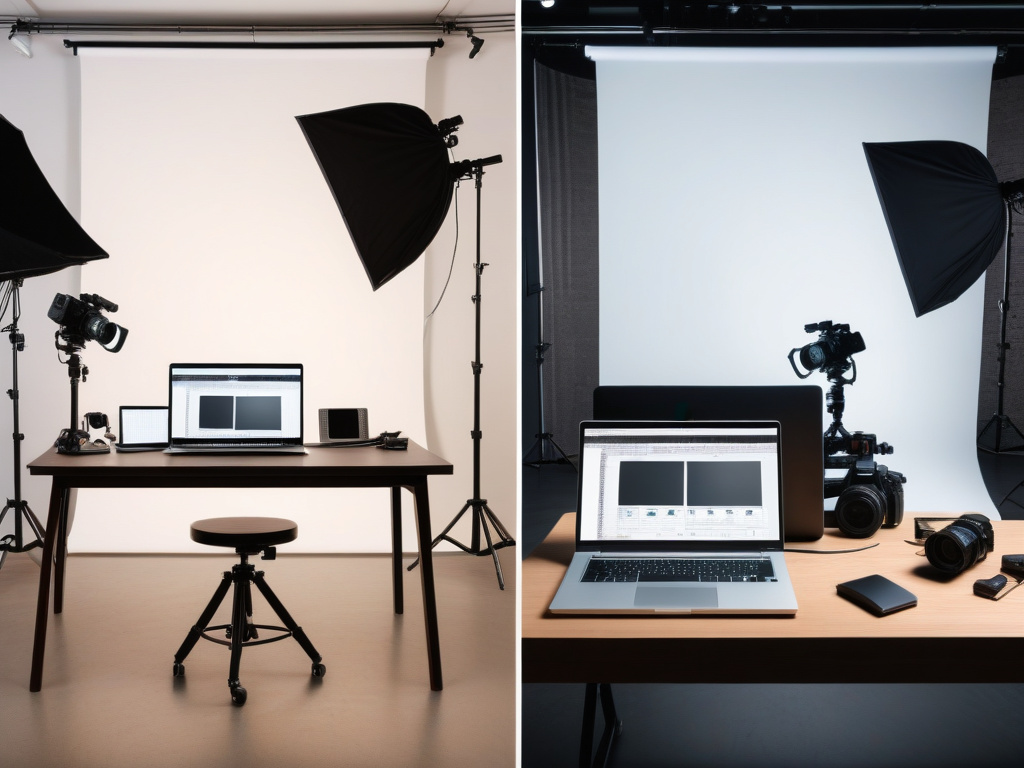
Professional promo costs. Photographers aren't cheap - we're talking $300-$1,000 for a single shoot. AI subscriptions? $10-$30 per month for unlimited generations. Some models are cranking out entire content calendars for the price of one professional headshot.
The 'always fresh content' trap. Platforms like OnlyFans and ManyVids reward frequent posting. Can't keep up with daily content? Say goodbye to visibility and subscribers. AI lets you batch-create a month worth of promo images in one afternoon.
Room aesthetics without hiring designers. Want custom background art, neon signs with your name, or fantasy-themed decor for your shows? AI can spit out print-ready designs in minutes.
The efficiency gains? Absolutely real. But so are the risks.
The Best AI Tools for Adult Creators (And What They Cost)
Not all AI image generators are created equal. Some block adult content completely. Others allow it but might ban you if you're not careful. Here's what actually works:
Flux (Open-Source, NSFW-Friendly)
Flux has become the new darling of the adult creator community. It's open-source, which means no company can ban you for generating NSFW content. The catch? You need some technical chops to set it up locally, or you'll need to pay for cloud computing access.
- Cost: Free (self-hosted) or $10-25/month (cloud services like Replicate)
- Learning curve: Moderate to steep
- Best for: Models comfortable with tech who want unlimited NSFW generation
Stable Diffusion (Highly Customizable, No Restrictions)
Stable Diffusion is the OG of open-source AI image generation. Zero content restrictions, massive customization options, and there's a whole ecosystem of NSFW-focused models on sites like Civitai. But fair warning - it's got the steepest learning curve of the bunch.
- Cost: Free (self-hosted) or $10-30/month (cloud services)
- Learning curve: Steep
- Best for: Models who want maximum control and don't mind a learning curve
Midjourney (Beautiful Aesthetics, NSFW Ban Risk)
Midjourney produces absolutely gorgeous, artistic images with minimal effort. Lots of models love it for promo pics and profile images. The problem? NSFW content violates their Terms of Service, and they will ban accounts.
- Cost: $10-60/month
- Learning curve: Easy
- Best for: Fully clothed promo images only. Seriously, don't use it for explicit content.
One model told me she lost her Midjourney account after generating 'lingerie fashion shots.' Even softcore stuff can get you banned.
DALL-E (Blocks Adult Content Entirely)
OpenAI's DALL-E has aggressive content filters that block anything even remotely suggestive. It's basically useless for adult creators. Just skip it.
Civitai and NSFW Model Repositories
Civitai is a community platform where creators share custom-trained AI models - many designed specifically for NSFW content. If you're using Stable Diffusion or Flux, this is where you'll find specialized models that actually understand adult content way better than the base versions.
Bottom line: Flux and Stable Diffusion are your safest bets for NSFW content. Midjourney works for safe-for-work promo images but comes with ban risk. DALL-E? Completely useless for adult creators.
The Platform Policy Breakdown: Who Allows AI and Who Bans It
This is where things get really messy. Platform policies around AI content are evolving in real-time, often without clear communication to creators.
OnlyFans: Allows AI with Disclosure
OnlyFans officially allows AI-generated content as long as you clearly disclose it in your post or caption. This is honestly the clearest policy of any major platform.
The rule: Add 'AI-generated' or 'Created with AI' somewhere visible. Models who do this report minimal subscriber pushback and zero platform issues.
Chaturbate: No Official Policy, Reports of Takedowns
Chaturbate has no public policy on AI content, but models report having profile images and bio graphics flagged or removed without explanation. The inconsistent enforcement suggests moderators are basically winging it without clear guidelines.
Risk level: Medium. Use AI for backgrounds and promo materials at your own risk. Don't use it for profile pics or anything that represents you directly.
Stripchat: Unclear, Enforcement Inconsistent
Stripchat's AI policy is basically a mystery. Some models use AI promo images without any issues. Others report being asked to remove content. There's no clear pattern whatsoever.
ManyVids: Appears to Allow with Disclosure
ManyVids seems to follow a similar approach to OnlyFans. Models who disclose AI content in descriptions report no issues. However, there's no official written policy to point to.
Clips4Sale: Policy Unknown, Mixed Experiences
Clips4Sale has no public AI content policy. Community reports are all over the map - some models using AI backgrounds without issue, others avoiding it entirely because of the uncertainty.
The universal risk: All platforms can update their Terms of Service without warning. What's allowed today could be banned tomorrow, and enforcement can be retroactive. If you're building a business around AI content, understand you're operating in a gray zone that could vanish overnight.
The Authenticity Debate: When AI Becomes 'Fake'
The cam model community is pretty divided on AI content, and the debate cuts right to the heart of what camming actually is.
One side argues: 'Fans are paying for authentic connection with you. AI-generated content is deceptive, especially if you're selling it as custom work you created.'
The other side counters: 'AI is just a tool, like Photoshop, ring lights, and makeup. We're selling fantasy. If AI helps us create better fantasy scenarios, what's the problem?'
Both sides have valid points, but fan reactions tell us where the line really is:
Fans generally accept: AI-generated backgrounds, promotional graphics, concept art, and fantasy scenarios that are clearly labeled as AI.
Fans feel betrayed by: AI-generated 'customs' sold as your own work, AI versions of 'you' that weren't disclosed, and anything that feels like catfishing.
The Photoshop comparison is pretty telling. No one complains when you smooth skin or adjust lighting because everyone knows photos are edited. But if you Photoshopped yourself into a location you've never been and sold it as 'real,' fans would feel lied to.
AI works the same way. Transparency is what separates a business tool from straight-up deception.
Interestingly, models who disclose AI use proactively often report positive fan reactions. Fans appreciate the honesty, and many are genuinely fascinated by the technology. One OnlyFans creator started a 'Behind the AI' series showing how she creates content, and it became one of her most popular features.
Legal and Copyright Considerations
The legal landscape around AI-generated content is pretty murky, and it's changing fast. Here's what you need to know:
Do You Own AI-Generated Images?
It depends on the tool's Terms of Service:
- Midjourney: You own the images if you're a paid subscriber.
- Stable Diffusion/Flux: You own the images when self-hosting. Cloud services vary.
- DALL-E: You own the images, but OpenAI retains certain usage rights.
The bigger question is whether AI-generated content is even copyrightable. US Copyright Office guidance suggests that AI-generated work with minimal human input may not qualify for copyright protection. This means fans could legally redistribute your AI content without permission.
Training Data Ethics
Many AI models were trained on images scraped from the internet without permission - including copyrighted work from photographers and artists. This is ethically murky and legally contested.
Some creators avoid AI tools on ethical grounds because of this. Others argue that adult creators have been stolen from for decades (tube sites, content piracy) and AI is no different. There's no clear moral consensus here.
DMCA Takedowns for AI Images
Can you file DMCA takedowns if someone steals your AI-generated content? Probably not, unless you can prove substantial human creative input. This makes AI content easier to steal and harder to protect.
Future Legislation
Governments are drafting AI content laws right now. Requirements around disclosure, labeling, and authenticity could become mandatory. What you create today without labels might violate future laws.
Bottom line: The legal protection for AI content is weak. If protecting your content from piracy is critical to your business, AI-generated work is riskier than traditionally created content.
How to Use AI Without Destroying Your Brand
If you're going to use AI, here's how to do it without losing fan trust or getting booted from platforms:
1. Disclose AI Use Proactively
Add 'AI-generated' or 'Created with AI' in captions, descriptions, or watermarks. This builds trust, avoids platform drama, and often sparks genuinely positive fan engagement.
2. Use AI for Promo and Backgrounds, Not Core Content
AI works brilliantly for promotional materials, Twitter banners, profile backgrounds, and concept art. It's way riskier for main paid content where fans expect authenticity.
3. Follow the 80/20 Rule
Keep 80% of your content authentic (real photos, real videos, real you) and use AI for 20% or less. This maintains your brand identity while gaining AI's efficiency benefits.
4. Frame AI as 'Concept Art' or 'Fantasy Scenarios'
Don't pretend AI images are real photos of you. Position them as artistic interpretations, fantasy scenarios, or concept art. This manages expectations and sidesteps the 'catfish' feeling.
5. Monitor Platform Policy Changes Monthly
Bookmark each platform's Terms of Service and check for updates regularly. Join creator forums where policy changes get discussed. Being the first to know about new restrictions can literally save your account.
6. Keep AI Work on Platforms with Clear Policies
If you're heavily invested in AI content creation, prioritize platforms like OnlyFans that have clear, written policies allowing it. Avoid building your entire business on platforms with vague rules.
This is exactly why platform diversification matters so much. If one site bans AI content tomorrow, you're not losing your entire income.
Real Model Experiences: What's Working (And What Got Them Banned)
Here's what happened when real models experimented with AI:
Success: The Character Art Side Business
A Stripchat model trained a custom Stable Diffusion model on her photos and started offering 'fantasy character art' - AI-generated versions of herself as different characters (vampire, superhero, cyberpunk). She disclosed the AI use upfront, priced it lower than custom photos, and made an extra $800/month with basically zero time investment.
Her fans loved it because she was completely transparent and positioned it as a separate product line from her regular content.
Failure: The Midjourney Ban
A cam model used Midjourney to create 'tasteful boudoir-style promo images' - think lingerie shots, nothing explicit. Within a week, her Midjourney account was permanently banned for NSFW content. She lost access to all her previous generations and her $30 subscription fee.
Lesson: Midjourney's NSFW filter is super aggressive. Even softcore content is risky.
Success: OnlyFans Disclosure Strategy
An OnlyFans creator started posting AI-generated 'fantasy scenarios' once per week, clearly labeled as AI. She showed behind-the-scenes of how she created them and invited fans to suggest scenarios. Her subscriber count jumped by 12% in two months, with fans specifically citing the AI content as 'creative' and 'unique.'
Lesson: Transparency can actually turn potential backlash into engagement.
Failure: The Custom Request Deception
A model started fulfilling custom photo requests using AI without disclosure, charging her usual $50-$100 per custom. A regular noticed the images had telltale AI artifacts (weird hands, impossible lighting) and called her out publicly in her chat room. She lost three of her top tippers overnight and watched her room count drop 40%.
Lesson: Selling AI-generated 'customs' as your own work without disclosure is a trust violation fans won't forgive.
The pattern is crystal clear: transparency leads to sustainability. Deception leads to backlash.
The Bottom Line: Should You Use AI as a Cam Model?
AI image generation is a powerful tool that can save time, slash costs, and unlock new creative possibilities. But it's not a replacement for authentic connection, and it definitely comes with real risks.
Use AI for:
- Promotional materials (Twitter banners, profile graphics, concept art)
- Background art and room aesthetics
- Fantasy scenarios and character art (with disclosure)
- Merch designs and branding elements
Avoid AI for:
- Custom requests where fans expect hand-created work from you
- Core paid content that defines your brand
- Anything you plan to sell without disclosing AI use
- Platforms with unclear or hostile AI policies
Platform risk is real. Your account could be terminated without warning if policies change. If you're building a business around AI content, diversify across multiple platforms to protect your income.
The future is pretty clear: AI will become normalized in content creation. Early adopters who use it ethically and transparently will have a competitive advantage. Those who use it deceptively will face backlash and platform bans.
AI is a tool. Use it wisely.
Looking for more ways to earn more by doing less? Check out our guide on working smarter, not harder. And if you're exploring new income streams beyond camming, read about building multiple revenue streams without burnout.
Have you used AI tools for content creation? What worked? What didn't? Drop your experiences in the comments - this technology is evolving crazy fast, and we're all figuring it out together.