
The Accountability Crisis: Why Cam Models Can't Get Online (And the Unconventional Solutions That Actually Work)

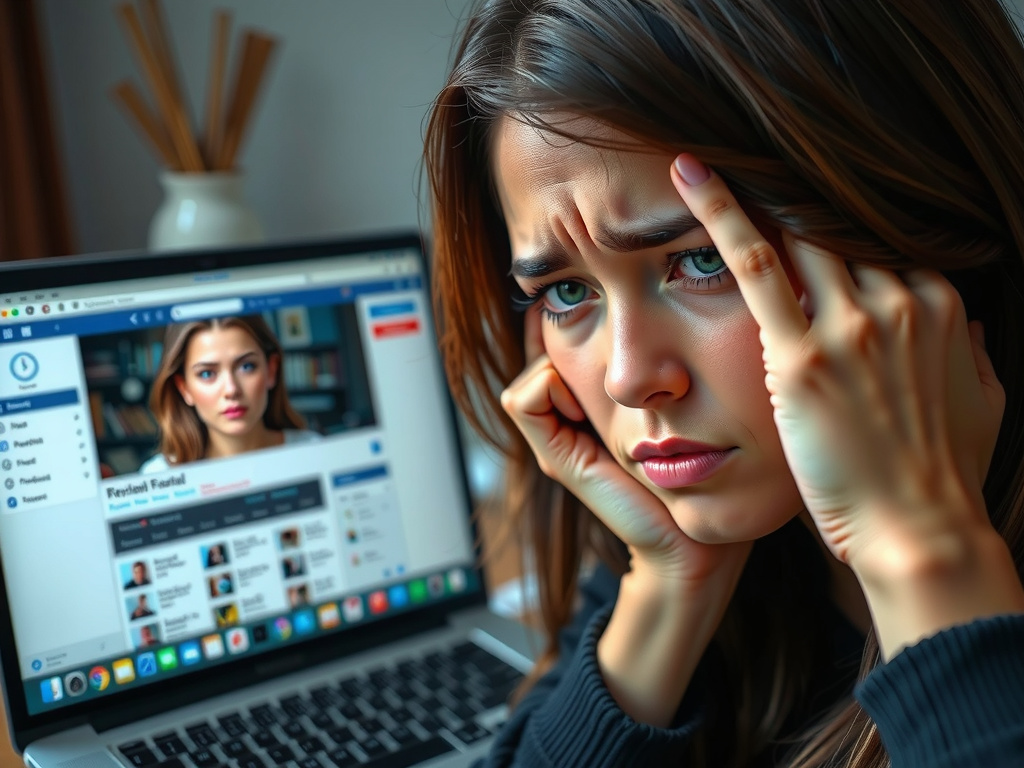
It's 2 PM. You were supposed to be online by noon. Instead, here you are-reorganizing your closet, scrolling TikTok for an hour and a half, somehow deep-cleaning kitchen cabinets that honestly didn't even need it. You know you need money. You know getting online would literally solve your financial stress. But you just... can't make yourself do it.
If this sounds painfully familiar, you're not alone. And here's the thing-you're not lazy. You're not broken. You're dealing with what I call the Accountability Crisis, and it's one of the most common struggles in camming that nobody really talks about.
The Discipline Paradox: Why Former 'Good Employees' Can't Get Online
Here's what really messes with your head: Most models who struggle with consistency actually had killer work ethics at their vanilla jobs. They showed up on time, crushed their metrics, got promoted. Then they switched to camming-ultimate flexibility, right?-and suddenly all that discipline just... evaporated.
The problem isn't you. The problem is camming strips away every single external accountability structure that made traditional employment work:
- No boss checking if you showed up
- No coworkers noticing when you're slacking
- No set schedule you'll get fired for missing
- No performance reviews or actual consequences
- Complete isolation-just you, alone in your room, with zero social pressure
Turns out most people don't really have internal discipline. What they have are external systems. Remove those systems? Discipline vanishes.
The New Model Trap: When Excitement Wears Off
Those first couple months? You're on fire. Streaming every single day. Excited, motivated, making decent money. Then something shifts. The novelty fades. And suddenly getting online feels like dragging yourself through mud.
Models describe it as 'losing the spark' or 'not caring about money anymore.' But it's not really about the money-it's the dopamine crash after your hyperfocus phase ends. If you have ADHD (or suspect you might), this pattern probably feels brutally familiar.
One model put it perfectly: 'I know I could make 3-5x more if I was consistent, but I only work when bills are due and the pressure is crushing. I'm making just enough to survive instead of actually thriving.'
The Real Cost of 'I'll Do It Later'
Let's talk numbers for a second. Say you're avoiding getting online three days a week, and those days would normally make you $300 each. That's $900 a week you're leaving on the table. Over a month? $3,600. Over a year? $43,200.
But honestly, the financial cost isn't even the worst part. The mental toll is what really crushes you:
- Constant guilt about wasting your earning potential
- That brutal self-judgment and shame about being 'lazy'
- Financial stress that could literally be eliminated by just showing up
- Living paycheck to paycheck instead of building any kind of savings
- The catch-22: Not working creates stress, but forcing yourself online when you're unmotivated? That leads to terrible streams
You start questioning whether you're even cut out for this work. Spoiler: You absolutely are. You just need different strategies than what works for traditional jobs. For more on this, check out how cam models use external accountability systems to overcome procrastination.
The Unconventional Solution That's Actually Working
One model recently shared something pretty brilliant in r/CamGirlProblems: She hired her ex-camgirl friend as an accountability coach for $100 a week.
Here's what her accountability coach actually does:
- Daily check-ins via text: 'Are you getting online today?'
- Reminder texts when it's time to start getting ready
- Celebrates wins and milestones
- Zero judgment on off days-just gentle accountability
- Weekly recap: How many days did you work? What'd you earn?
And you know what? She says it's working better than anything else she's tried. Why? Because accountability coaches replace that external structure camming lacks. She's not relying on motivation or willpower anymore-she has a system.

14 Strategies That Actually Help (Not Just 'Be More Disciplined')
If hiring an accountability coach isn't in your budget right now, here are other strategies models swear by:
1. The 10-Minute Rule
Tell yourself you'll log on for just 10-20 minutes with zero pressure to perform. No goals, no expectations. Just turn the camera on.
What usually happens? Once tips start rolling in, your motivation naturally kicks in. The hardest part is starting-once you're online and money's flowing, that resistance just melts away.
2. Public Accountability
Announce your schedule on Twitter, Snapchat, or your cam site profile. When customers are actually expecting you, that external pressure helps. One model told me: 'I hate being late more than I hate starting the stream.'
3. Start Before You're Ready
Turn on your stream while you're still doing your makeup or getting dressed. This lowers the activation barrier big time. Instead of needing to be 100% camera-ready before starting, you let viewers watch you prepare. Bonus: Many will tip during the process.
4. Create Work Buddies
Find other models in your timezone who stream around the same time. Check in with each other before going live. It recreates that coworker accountability traditional jobs have.
5. Track Visual Progress
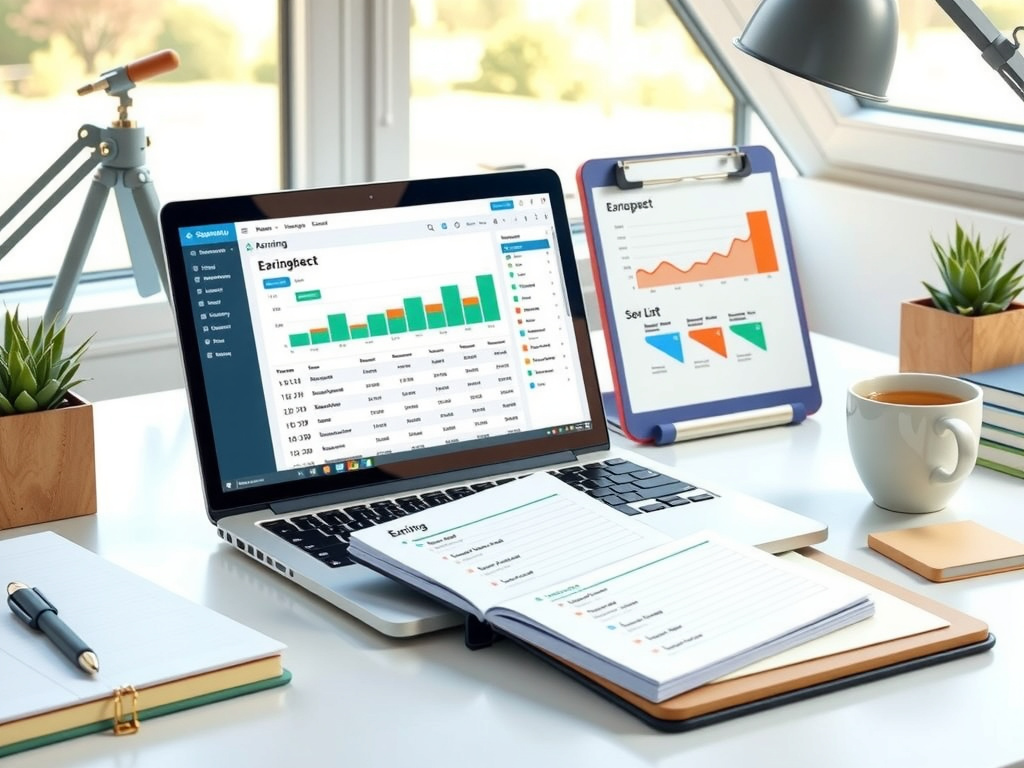
Create a spreadsheet or use an app to track your earnings. Watching those numbers climb can be incredibly motivating, especially when you're working toward a savings goal or trying to pay off debt.
6. Raise Your Prices
When you make money faster, you need fewer hours to hit your goals. That reduced time commitment can make getting online feel way less overwhelming. Plus, higher earnings per hour means stronger motivation to actually show up.
7. Build Passive Income
Upload to clip sites and subscription platforms. When days off don't automatically mean $0, the pressure eases up. And weirdly enough, you're more likely to actually get online when it doesn't feel so all-or-nothing.
When It's Not Just Procrastination: ADHD, Depression, and PMDD
Sometimes the accountability crisis isn't about discipline at all. It's actually about undiagnosed or untreated conditions that make consistency feel nearly impossible:
ADHD and Executive Dysfunction
If you can hyperfocus for two months and then completely lose steam, if you do literally anything except the thing that would make you money, if starting tasks feels impossible even when you desperately want to do them-you might have ADHD.
Models who finally got diagnosed and treated report 50-70% improvement in consistency. Medication, therapy, and ADHD-specific strategies can genuinely be life-changing. Read more about how ADHD affects cam modeling and perfectionism paralysis.
Depression
A lot of models describe 'not caring about money' or feeling like free time matters more than earnings. They push back against calling it 'depression,' but honestly? That's often exactly what it is.
Depression doesn't always look like crying in bed. Sometimes it looks like scrolling your phone for six hours instead of doing the one thing that would actually solve your problems. If that hits home, consider talking to a therapist. The lack of motivation is a symptom, not some character flaw.
PMDD and Menstrual Cycles
Multiple models describe feeling absolutely unstoppable for two weeks, then completely unmotivated for the next two. If your productivity follows your menstrual cycle, you might have PMDD (premenstrual dysphoric disorder).
Instead of fighting your biology, work with it. Plan 'hustle weeks' during your good weeks and 'light weeks' when your energy tanks. Accept that consistency doesn't mean identical output every week-it means showing up within the limits of what your body allows.
Supplements models report help with this: Vitamin D, B complex, magnesium glycinate, iron (if you're deficient), and ashwagandha. But always check with a doctor first, especially for iron.
The Introvert Problem: When Social Performance Is the Block
If you're an introvert, the procrastination might not be about work itself-it's about the social performance aspect. You're not avoiding making money. You're avoiding having to be 'on' for strangers for hours.
Models report turning what should be 5-6 hour work blocks into 2-3 hours because they keep procrastinating the interaction part. Some solutions:
- Consider text-based platforms like SextPanther or Phrendly where you can control the pace of interaction
- Schedule shorter, more frequent streams instead of marathon sessions
- Build in recharge time between streams-don't book back-to-back days
- Create a pre-stream ritual that helps you shift into 'performance mode'-specific music, lighting a candle, whatever signals to your brain it's time to be social
The Bottom Line: Systems Beat Motivation Every Time
You're never going to feel motivated every single day. That's just not how brains work. Waiting for motivation is like waiting for perfect weather to go to work-it's never going to happen consistently.
What actually works? Systems:
- External accountability (coaches, work buddies, public schedules)
- Lower activation barriers (start before you're ready, the 10-minute rule)
- Treatment for underlying conditions (ADHD, depression, PMDD)
- Financial incentives that make showing up irresistible (raise prices, track earnings visually)
- Accepting your limitations and working with them instead of constantly fighting them
The accountability crisis is real, it's incredibly common, and it's absolutely solvable. You're not failing at camming. You're actually succeeding at identifying a problem that affects thousands of models. Now you just need the right tools to fix it.
Start with one strategy from this list. Just one. The 10-minute rule is probably the easiest. Tell yourself you'll log on for 10 minutes today with zero pressure. See what happens.
That's how you start rebuilding consistency-not with motivation, but with tiny, manageable systems that don't require you to magically become a different person.