
The Accidental Therapist: Why Your Cam Room Turned Into a Crisis Hotline (And How to Get Paid for Emotional Labor)

You log on expecting a typical shift. Instead, you spend two hours listening to a client talk about his breakup. He paid $264 for the exclusive show, but he never asked you to take off a single piece of clothing. He just... needed someone to talk to. Someone who'd actually listen. Because he had no one else.
Sound familiar?
If you've been camming for more than a year, you've probably noticed something weird happening. The requests are changing. Twelve months ago, most clients wanted quick shows or specific content. Now? Half your inbox reads like a therapy waiting room.
Models across Reddit keep reporting the same thing: clients are getting emotionally attached, craving deeper connection, and basically turning cam sessions into emotional support hotlines. And here's the kicker - most of the time, you're doing this labor for free.
This Job Accidentally Turned You Into a Human Behavior Analyst
One model put it perfectly: 'This industry accidentally turned me into a human behavior analyst.' After talking to dozens of different personalities every single day, you start recognizing patterns instantly. Who wants attention. Who needs validation. Who's drowning in loneliness. Who's putting on this confident act but is actually falling apart inside.
You didn't sign up for this psychological training, but it happened anyway. And now you're stuck with a skill set that sometimes feels more like a burden than a gift - especially when clients just expect you to use it for free, like it's part of the basic package or something.
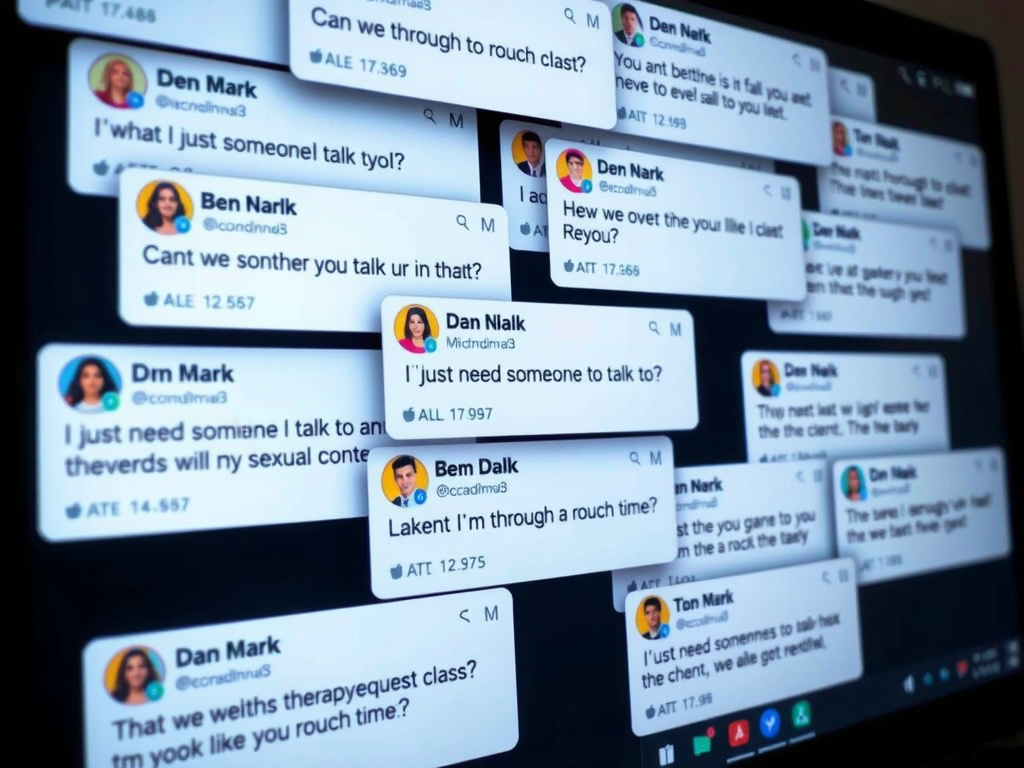
The weirdest part? The emotional labor doesn't stop when you log off. Models report finding themselves 'working mentally' even during normal social situations - automatically analyzing people's behavior and emotional needs. The job literally rewires your brain.
The Loneliness Epidemic Hit Your Cam Room
Here's what's really happening: people are desperately lonely. Touch-starved. Emotionally disconnected from everyone around them. And cam models have become one of the few places where they can find human connection that actually feels genuine - even though they're paying for it.
One model shared: 'This job made me realize how lonely people actually are. Some conversations stop feeling sexual after a while and start feeling more like someone just wanting comfort or attention from another human being.'
Clients share vacation photos with you because they literally have no one else to share them with. They tell you about their career achievements because there's nobody in their real life who gives a shit. They say 'I love you' after minimal interaction because any tiny bit of affection has them latching on like you're their emotional lifeline.
It's heartbreaking. It's also exhausting. And it's costing you money.
The Unpaid Therapy Sessions Draining Your Energy
Let's be brutally honest about what's happening in your DMs right now:
- Clients sending full paragraphs about their mental health struggles - zero tip
- Buyers wanting to 'just talk' about their day without paying for your time
- Users treating you like their actual girlfriend, expecting daily check-ins and emotional support
- Messages asking for advice on relationships, careers, and life decisions
- Confessions about depression, anxiety, and loneliness that make you feel guilty as hell for not responding
You want to be empathetic. You're not heartless. But this isn't what you signed up for, and it's draining you faster than a 10-hour cam day ever could. If you're experiencing serious burnout, you might want to check out how other models manage burnout and maintain mental health.
The worst part? You're stuck in this impossible position of feeling both empathy and frustration at the same time. You see that these people are genuinely struggling. You also see that you're providing skilled emotional labor - the kind therapists charge $150+ per hour for - and getting absolutely nothing in return.
Meet the Model Who Turned It Into 'Whoreapy'
But here's where it gets interesting. Some models actually figured out how to monetize this whole shift.
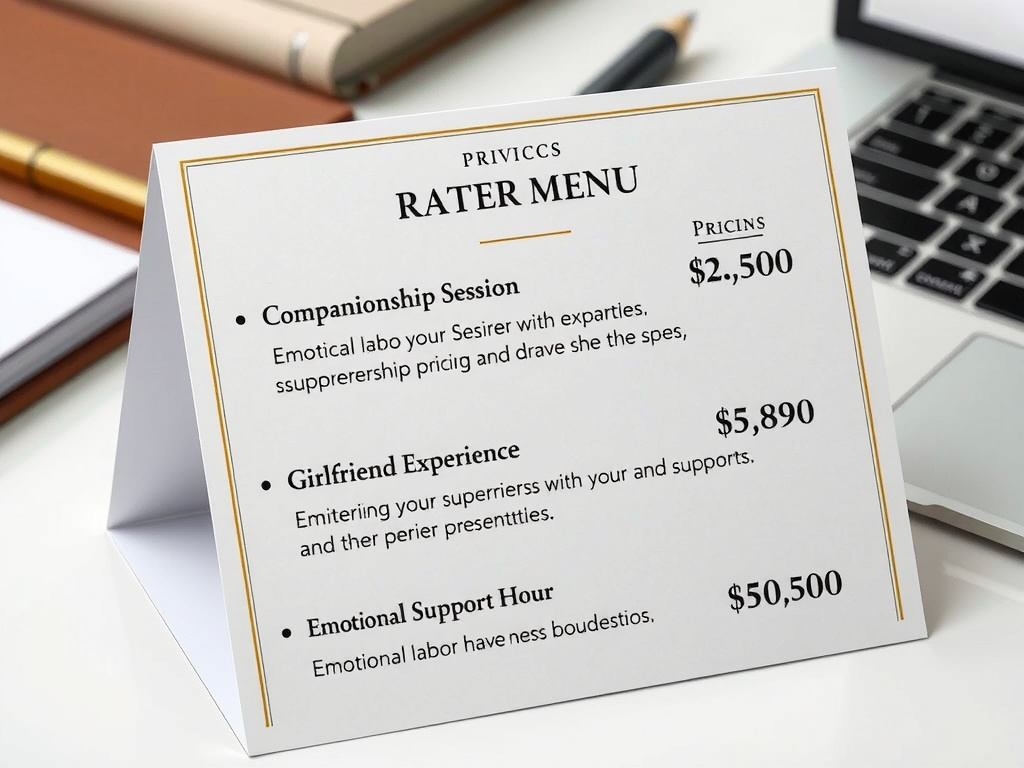
One model created a service she calls 'Whoreapy' - and she charges specifically for emotional support sessions. She uses her role as 'Mommy' to guide men through personal growth stuff, helping them process their issues and challenge the negative BS they believe about themselves.
Her insight? 'Men are taught therapy is bad. There's not much ego sitting next to an internet whore who is a felon, thief, recovering addict, painfully honest and tells it how it is.'
She sends soft-core content combined with affirmations. Sets hard boundaries. Doesn't claim to be medical help, and she'll refer people to actual therapists when needed. But she recognized that what she was already doing had real value - so she started charging for it accordingly.
The result? More stable income from repeat clients who actually value the deeper connection. Less resentment from unpaid emotional labor. Clear boundaries that protect her mental health.
How to Actually Get Paid for Emotional Labor
If you're drowning in unpaid therapy sessions, here's how to shift the dynamic:
1. Name the Service
Call it what it actually is: companionship, girlfriend experience, emotional support, intimate conversation - whatever fits your brand. Give it a name and slap a price tag on it. When something is officially a service, clients understand they need to pay for it.
2. Set Premium Pricing
Your conversation time costs the same as your sexual content - or honestly, even more. Emotional labor is skilled labor. You're reading people, managing their feelings, providing comfort, and protecting your own mental health while doing it. That's worth premium rates, period.
Think about charging higher rates for emotional support than for shows. Therapists charge $150-300 per hour. You're not claiming to be a therapist, but you're providing something equally valuable: human connection without judgment.
3. Create Packageable Content
Build 'comfort content' you can sell over and over again:
- Videos with affirmations and encouragement
- Audio messages for clients who just want to hear your voice
- Soft-core content paired with emotional support
- Pre-recorded 'girlfriend experience' videos they can buy instead of demanding free DM time
This lets you monetize the emotional connection without burning yourself out on endless one-on-one conversations.
4. Use Auto-Responses to Filter
When clients send emotional messages in DMs, have an auto-response ready:
'I'd love to chat with you! I offer companionship sessions at [rate] for genuine conversation and connection. If you're interested in booking time with me, here's the link.'
This filters time-wasters from serious buyers instantly. The guys who genuinely value your emotional labor will pay. The ones who just want free therapy will disappear - and good riddance.
5. Set Clear Boundaries Early
From the very first interaction, establish that your time has value - all of it. Put it in your bio. Mention it in shows. Make it crystal clear that conversation isn't the 'free sample' that comes before the paid content. Conversation IS paid content.
Models who set boundaries early report way more stable income from clients who actually respect them. The clients who push back weren't going to be good customers anyway. For more strategies on boundary-setting, check out how to grow a spine as a sex worker.

When to Block Instead of Monetize
Not every emotionally needy client is worth keeping around. Some are just energy vampires who will drain you dry no matter how much you charge.
Block immediately if they:
- Consistently seek emotional support without paying
- Try to turn the relationship into something personal or romantic
- Ask to meet offline or try to get your personal information
- Dump heavy mental health issues on you without any warning
- Make you feel guilty for having boundaries
- Expect daily emotional check-ins like you're their actual girlfriend
One model put it perfectly: 'I straight forward block them. Always the private-life guys want to avoid payment (or get more for less) and also they want to invade my personal space. Big no-no.'
Your block button isn't mean. It's a business tool. Use it liberally.
Protect Your Own Mental Health
Here's the most important thing: you can monetize emotional labor without absorbing your clients' problems into your own psyche.
Remember:
- You're providing a service, not forming real friendships
- Their problems aren't yours to solve
- You can be empathetic without taking responsibility for their emotional wellbeing
- When clients need professional help, refer them to actual therapists
- Log off when you need to - their loneliness isn't your emergency
Some models find the shift toward emotional connection actually helps their mental health. One model shared: 'It makes me feel like less of an object which hugely affects my mental health in a positive way.'
If that's you? Great. Lean into it and charge accordingly. But if it's draining you, you don't owe anyone your emotional energy for free.
The Bigger Picture: What This Shift Means
The fact that cam models are accidentally becoming therapists tells you something pretty dark about society. People are so isolated, so emotionally disconnected, so starved for genuine human interaction that they're paying sex workers just to feel seen by another person.
This isn't your fault. You didn't create the loneliness epidemic. But you're positioned to either profit from it or be crushed by it.
The models who thrive in this new landscape are the ones who recognize emotional labor as skilled work, price it accordingly, and protect their own mental health with ruthless boundaries.
The models who burn out are the ones who keep giving their emotional energy away for free because they feel guilty charging for basic human kindness.
Which one will you be?
The Bottom Line
Your cam room isn't a crisis hotline. It's a business. If clients want emotional support, companionship, and deep conversation - they can absolutely have it. At your rates. On your terms. With clear boundaries that protect your mental health.
Emotional labor is labor. Charge for it.